
Bigger than Rumble in the Jungle? DR Congo's World Cup History Bid
DR Congo Steps Onto the World Cup Stage Once More This Wednesday in Atlanta, the DR Congo national team will face England in the round of 32 at the 2026 FIFA World Cup. The fixture arrives 52 years after Zaire, as the country was then known, became the first sub-Saharan African side to reach the tournament finals. For many across the continent the moment carries weight that str
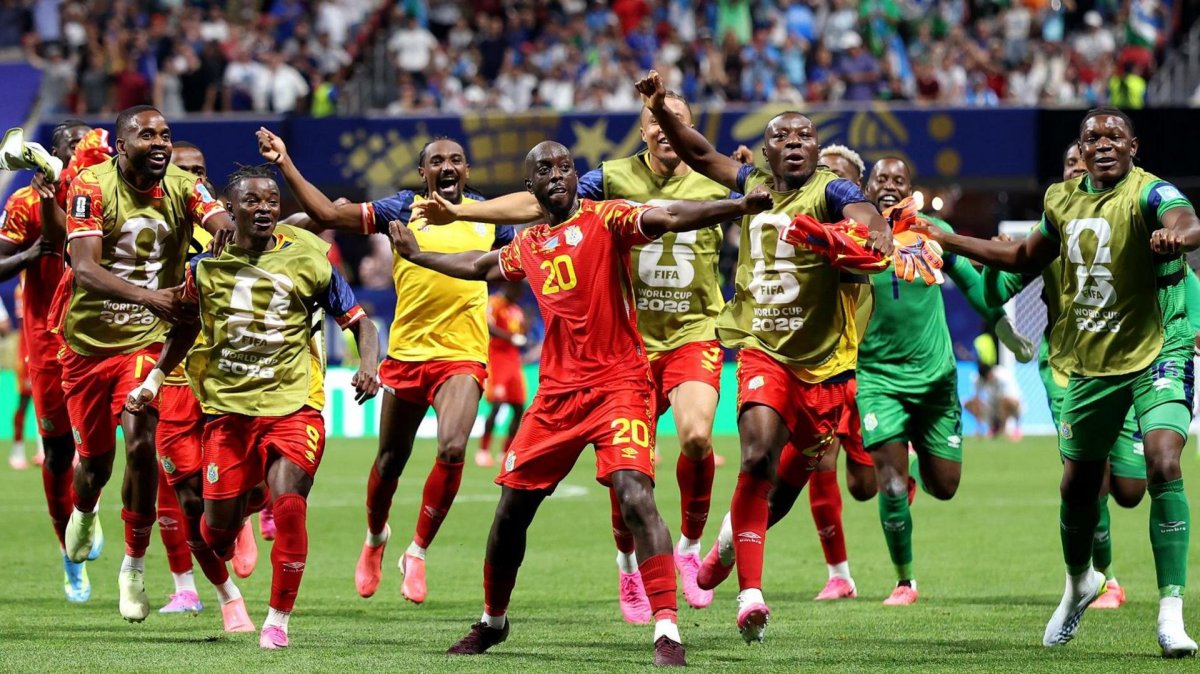
DR Congo Steps Onto the World Cup Stage Once More
This Wednesday in Atlanta, the DR Congo national team will face England in the round of 32 at the 2026 FIFA World Cup. The fixture arrives 52 years after Zaire, as the country was then known, became the first sub-Saharan African side to reach the tournament finals. For many across the continent the moment carries weight that stretches beyond the pitch.
Senegal's own football story has taught us how a single World Cup appearance can lift national spirits for years. DR Congo now carries a similar chance. The team enters the match with a record that includes two Africa Cup of Nations titles in 1968 and 1974 plus three African club titles won between 1967 and 1973. Those earlier successes remain points of pride in Kinshasa households and village gatherings alike.
The Atlanta encounter offers a fresh chapter. Supporters in DR Congo and in the diaspora view it as an opportunity to present the country through sport rather than through headlines about conflict. The match will be watched closely from Dakar to Kinshasa.
Memories of the 1974 World Cup in West Germany
Zaire's 1974 campaign began with promise and ended in heavy defeats. The side lost 2-0 to Scotland, 9-0 to Yugoslavia and 3-0 to Brazil. One moment from the Brazil match remains widely recalled: defender Mwepu Ilunga left the defensive wall during a free kick and kicked the ball away, later explaining the action as a protest over unpaid bonuses.
Players had already refused to take the field against Yugoslavia because of missing allowances. Reserve goalkeeper Mohamed Kalambay later told Sporting Witness in 2022 that the squad lacked recognition and that the missing payments affected morale. Striker Pierre Ndaye Mulamba received a red card in that same match, while goalkeeper Kazadi Mwamba was replaced in the 21st minute when the score stood at 3-0.
These events unfolded while the country was under President Mobutu Sese Seko. The 1974 tournament marked both a historic first for sub-Saharan Africa and a difficult introduction to global scrutiny. The lessons from that summer still surface in conversations about African teams and their preparation today.
The Rumble in the Jungle and Its Lasting Spotlight
Later in 1974 Kinshasa hosted the Rumble in the Jungle boxing match between Muhammad Ali and George Foreman. President Mobutu Sese Seko brought the event to the capital, drawing international attention at a time when few global events reached central Africa. Journalist Justin Kabala Mwana, who covered the fight, described it as a media coup that made Zaire known across the world.
The bout placed Kinshasa on television screens in living rooms from Lagos to London. For many Africans the images of the city and its people offered a counter-narrative to prevailing stereotypes. The event also coincided with the country's earlier football achievements, creating a brief period when Zaire appeared regularly in international sports coverage.
Today the Rumble is remembered alongside the 1974 World Cup as twin moments that tested and displayed Congolese visibility. The boxing ring and the football pitch both served as stages where African athletes met global audiences under intense pressure.
Player Accounts of Recognition and Support
Former forward Mayanga Maku recalled that President Mobutu took the 1974 squad under his wing and ran everything connected to their campaign. The arrangement brought resources but also left players dependent on federation officials for payments that often failed to arrive. The unpaid bonuses became a central grievance during the Yugoslavia match.
Mohamed Kalambay's 2022 comments highlighted the absence of recognition as the missing element. Without proper allowances the players lacked the morale required for high-level competition. These accounts reveal the gap between official promises and the daily realities faced by the squad.
Similar stories of delayed payments still appear in African football today. The 1974 experience therefore serves as a reference point when current players and federations discuss contracts and support structures ahead of major tournaments.
Linking Past and Present Through African Identity
Justin Kabala Mwana has spoken of the 2026 match as a chance for a country affected by conflict and corruption to regain unity and dignity. The Atlanta fixture arrives at a time when DR Congo continues to navigate internal challenges while its athletes compete on the global stage.
From a Senegalese perspective the story resonates because our own national team has experienced both the joy of unexpected runs and the frustrations of limited resources. African football carries the weight of representing entire communities that rarely see their daily lives reflected in international media.
The 1974 World Cup and the Rumble in the Jungle together showed how sport can place a nation in the global conversation. DR Congo's appearance this week continues that thread, reminding viewers that African teams arrive with histories of both achievement and hardship.
Looking Ahead from Kinshasa to Atlanta
The round-of-32 match will unfold under the lights in Atlanta with millions watching across Africa and beyond. DR Congo carries the record of its 1968 and 1974 Africa Cup of Nations wins and the memory of those three African club titles from the late 1960s and early 1970s.
Supporters hope the occasion can highlight the country's cultural contributions rather than its difficulties. The journey from the 1974 disappointments to this week's fixture spans more than five decades of African football development.
Whether the result brings victory or another chapter of learning, the match itself stands as evidence that Congolese football remains part of the world's conversation. The story connects Kinshasa's past ambitions with the present aspirations of a new generation of players.
By Amara Diop, Staff WriterThis article was produced with AI-assisted research and editorial support. Reporting is based on sources cited in the article.
What's Your Reaction?
 Like
0
Like
0
 Dislike
0
Dislike
0
 Love
0
Love
0
 Funny
0
Funny
0
 Wow
0
Wow
0
 Sad
0
Sad
0
 Angry
0
Angry
0

West Africa/Sahel Correspondent at Global1.News. Dakar-based journalist covering politics, security, climate, and development across Francophone and Anglophone West Africa. Tells the stories of a region undergoing profound transformation.










Comments (0)