
Dormitory fire at Kenyan girls’ school kills at least 16 students
Dormitory fire at Kenyan girls’ school kills at least 16 students At least 16 girls died and dozens more were injured when a ferocious fire tore through a dormitory at Utumishi Girls Academy in Gilgil, Nakuru County, just after midnight. Parents are still waiting for definitive word on missing students as rescue teams sift through charred remains. The Fire That Started in the D
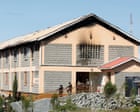
Dormitory fire at Kenyan girls’ school kills at least 16 students
At least 16 girls died and dozens more were injured when a ferocious fire tore through a dormitory at Utumishi Girls Academy in Gilgil, Nakuru County, just after midnight. Parents are still waiting for definitive word on missing students as rescue teams sift through charred remains.
The Fire That Started in the Dark
Students reported smelling smoke around 12:15 a.m. Within minutes, flames had engulfed the wooden structure housing roughly 120 boarders. The blaze moved so fast that many girls were trapped behind locked exits or barred windows—standard security measures that turned lethal when seconds mattered most.
Survivors described chaos: screams, broken glass, and the sickening realization that escape routes were blocked. One 15-year-old who jumped from a second-floor window told local reporters she saw classmates beating on doors that refused to open. Official counts so far list 16 confirmed dead, but the number is expected to rise as identification continues.
Rescue Shortfalls Exposed in Real Time
Firefighters from nearby Gilgil arrived more than 40 minutes after the first emergency call. That delay proved fatal for girls who might have been saved with quicker intervention. County officials blame poor road access and limited night staffing. Those excuses ring hollow when similar fires have claimed lives here before.
Police have cordoned off the site while arson investigators collect samples. Preliminary reports point to an electrical fault near a charging station for student phones, but the school’s outdated wiring and lack of working smoke detectors make any single cause hard to isolate. Negligence, not bad luck, is the real story.
Why Kenyan School Fires Keep Happening
This is not an isolated tragedy. Kenya has recorded more than a dozen major dormitory fires since 2017, many in boarding schools serving low- and middle-income families. Inadequate funding, overcrowded dorms, and lax enforcement of fire codes create a predictable cycle of loss. Utumishi Academy, a private institution with roughly 800 students, had passed routine inspections on paper—yet clearly failed the test when it counted.
Compare this to safety standards in neighboring Uganda or Tanzania, where some governments have mandated sprinkler systems and unlocked exits after their own disasters. Kenya’s Ministry of Education issues circulars but rarely follows through with funding or penalties. The result is a system that treats student safety as optional.
Parents Left in Limbo
Outside the school gates, dozens of mothers and fathers waited through the night and into the next day for names. Some had driven from Nairobi, others from rural homesteads. One father described recognizing his daughter only by a bracelet she wore. The emotional toll on families who sacrificed to send their girls to school is incalculable.
Local hospitals in Nakuru and Gilgil are treating burn victims, some in critical condition. International aid groups have offered support, but the immediate burden falls on an already strained public health system. Blood shortages and limited burn-care capacity mean some survivors may not receive the treatment they need.
Gender, Education, and the Stakes
These deaths hit harder because they involve girls pursuing secondary education in a country where female enrollment still lags in rural areas. Every student lost represents not just a life but a future that could have broken cycles of poverty. When basic infrastructure fails them, the promise of education becomes a cruel joke.
Global comparisons are stark. In wealthier nations, a single school fire triggers nationwide policy overhauls. In Kenya, the pattern is condolences followed by silence until the next incident. International donors who fund education programs should tie future grants to verifiable safety upgrades, not empty promises.
Accountability Must Go Beyond Statements
President William Ruto’s administration has pledged a full investigation and compensation for affected families. Past pledges after similar fires produced little lasting change. The Education Ministry needs to publish every inspection report from the past five years and name the officials who signed off on Utumishi’s compliance. Anything less is theater.
School administrators must also answer for security protocols that prioritize theft prevention over life safety. Locked gates and barred windows are common, yet they violate basic fire codes when alternative exits are absent. Criminal negligence charges should be on the table if evidence shows deliberate cost-cutting.
What Comes Next for Nakuru County
Classes at Utumishi have been suspended indefinitely. Remaining students have been relocated to nearby facilities, but psychological trauma will linger. Trauma counseling remains scarce in rural Kenya, leaving survivors to process the horror largely on their own.
Broader reform requires money and political will. Installing modern fire suppression systems across thousands of boarding schools would cost millions, yet the price of inaction is measured in body bags. International partners, including the U.S. and EU development agencies active in Kenyan education, should demand safety audits before releasing further funds.
The fire at Utumishi Girls Academy is a reminder that development metrics mean nothing if children cannot sleep safely at night. Kenya’s leaders can issue statements or they can fix the system. History suggests they will do the former until public outrage forces the latter.
This is Jessica Ali for Global1 News. 🔥
This article was produced with AI-assisted research and editorial support. Reporting is based on sources cited in the article.
What's Your Reaction?
 Like
0
Like
0
 Dislike
0
Dislike
0
 Love
0
Love
0
 Funny
0
Funny
0
 Wow
0
Wow
0
 Sad
0
Sad
0
 Angry
0
Angry
0

Editor-in-Chief at Global1.News. Atlanta-based journalist who cuts through the BS and tells it like it is. Lead anchor, host, and the voice you hear when the spin stops and the truth starts.















Comments (0)