
94% of Pinoys Want More Bike Lanes: Pulse Asia Survey
The Carless Majority Speaks The Pulse Asia survey conducted in May reveals that 94 percent of Filipinos agree with proposals to invest more in active transport infrastructure to support cyclists and pedestrians. This strong backing places pressure on legislators to increase the active transport budget to at least P1 billion. The same survey found that 93 percent want public tra
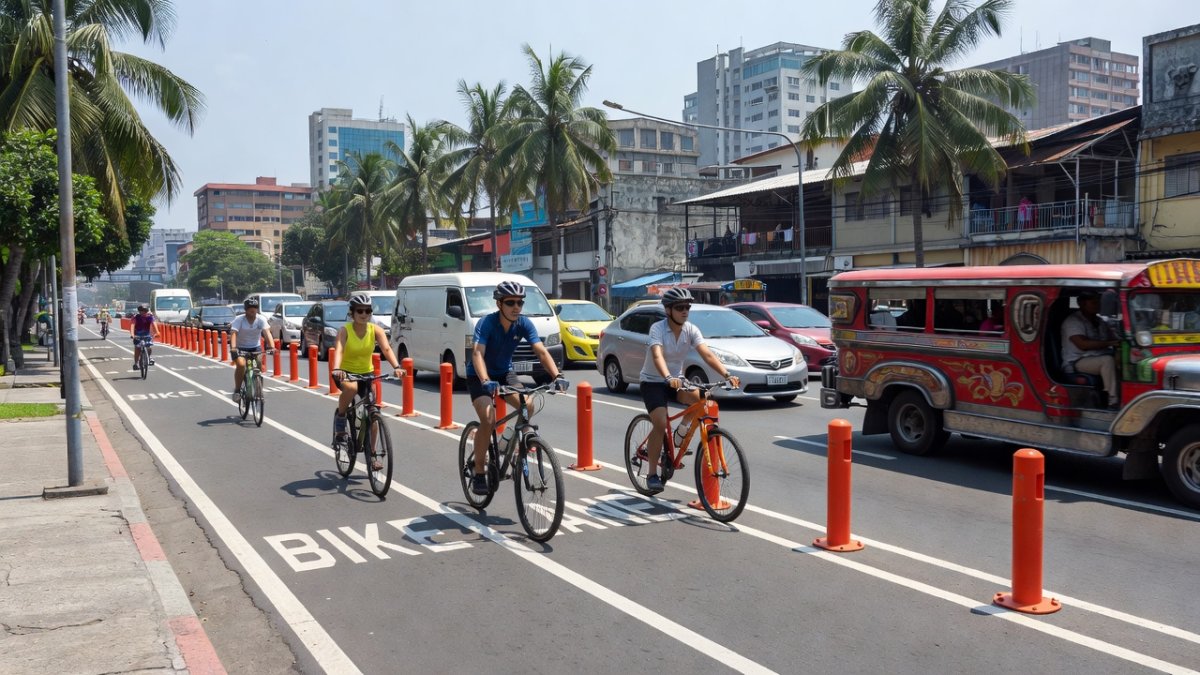
The Carless Majority Speaks
The Pulse Asia survey conducted in May reveals that 94 percent of Filipinos agree with proposals to invest more in active transport infrastructure to support cyclists and pedestrians. This strong backing places pressure on legislators to increase the active transport budget to at least P1 billion. The same survey found that 93 percent want public transport lanes similar to the EDSA busway expanded to speed up commuter travel, while 82 percent demand that the government boost transport subsidies.
These numbers reflect the daily realities faced by millions of ordinary Filipinos who rely on walking, biking, or public transport to reach work, school, and markets. In communities across the country, from bustling urban barangays to rural areas, families have long navigated narrow roads shared with vehicles. The survey results underscore how deeply this issue resonates with the carless majority who seek safer paths for their daily journeys.
Mobility Awards national coordinator Amber Garma highlighted the survey findings as a clear message to policymakers. She noted that the 94 percent carless majority has spoken and leaders must step up to protect them. The call emphasizes the need for infrastructure that serves the many Filipinos who move through their neighborhoods on foot or by bicycle each day.
Community leaders and residents alike see these percentages as more than statistics. They represent the voices of jeepney drivers who switch to bikes on certain routes, students pedaling to class, and sari-sari store owners who walk to nearby suppliers. The overwhelming support signals a shared desire for streets that prioritize people over cars in every corner of the Philippines.
From P2 Billion to P105 Million — A Budget in Freefall
Active transport funding has declined sharply in recent years. Capital for these projects reached a high of P2 billion in 2022 but stands at just P105.38 million in 2026. This reduction comes after the pandemic period when many Filipinos turned to biking and walking as practical ways to move around while managing limited resources.
The drop in allocation affects efforts to build and maintain bike lanes and pedestrian walkways nationwide. Local communities feel the impact when pathways remain incomplete or poorly lit, making daily commutes less secure for workers heading out before dawn and students returning home after classes.
Amber Garma appealed to policymakers to view the Pulse Asia results as a call to raise the active transport budget to at least P1 billion. She stressed that years of fiscal neglect must be reversed to meet the growing needs of commuters who depend on these facilities. The current figures show how budget decisions directly shape the safety and convenience available to ordinary citizens.
Filipino families often discuss these changes during neighborhood gatherings, noting how reduced funding limits improvements that could ease travel in crowded areas. The shift from P2 billion to P105.38 million illustrates the challenge of sustaining infrastructure that supports the daily movements of millions who cannot afford private vehicles.
2,400 Kilometers Promised, Only 1,100 Delivered
The government aims to develop a bike lane network of 2,400 kilometers, yet the Department of Transportation has delivered just 1,100 kilometers to date. This gap leaves many communities without the connected pathways needed for safe and efficient travel by bicycle or on foot.
Transportation Undersecretary Mark Steven Pastor stated that the Department of Transportation is seeking an active transport budget of up to P1 billion for 2027. Reaching the full 2,400-kilometer target would require sustained commitment to close the current shortfall and extend networks into more barangays where residents currently share roads with heavy traffic.
The partial delivery of 1,100 kilometers means some routes end abruptly, forcing cyclists and pedestrians to merge back into vehicle lanes. This situation affects workers in cities and provinces who choose active transport to reduce expenses amid economic pressures. Completing the network would better serve the 94 percent who support expanded infrastructure according to the survey.
Residents in areas with existing segments of the network report smoother trips to markets and workplaces. Expanding to the full 2,400 kilometers would bring similar benefits to more families, aligning with the strong public demand captured in the May Pulse Asia poll for better facilities that support daily movement.
What Local Governments Can Do
Amber Garma pressed local government units to assign funds for their own bike lanes and pedestrian walkways in response to the ballooning demand for active transport infrastructure. LGUs hold the ability to address gaps left by national budget reductions and tailor projects to the specific needs of their communities.
Barangay captains and municipal officials can prioritize pathways that connect homes to schools, health centers, and transport hubs. Such local investments would directly respond to the 94 percent of Filipinos who favor more support for cyclists and pedestrians, creating safer routes within neighborhoods where people interact daily.
These efforts at the local level complement national goals and help build a culture where walking and biking become reliable options. Communities that organize through bayanihan spirit can maintain these facilities, ensuring they serve families, tricycle operators, and small vendors who navigate the same streets every day.
By directing resources toward active transport, LGUs demonstrate responsiveness to the survey findings that show widespread support for expanded infrastructure. This approach keeps decision-making close to the people most affected by incomplete networks and limited funding.
The Economic Reality Behind the Bike Boom
Amber Garma reminded policymakers that for most Filipinos the shift to biking and walking was never just a lifestyle choice. Many are forced to save money in a challenging economy where transport costs add up quickly for households with limited income.
The 82 percent who demand boosted transport subsidies in the Pulse Asia survey reflect this pressure. Families balance fares for jeepneys or buses against the need to stretch budgets for food, education, and other essentials. Active transport offers a practical alternative when infrastructure supports it safely.
Workers who pedal to jobs or walk to nearby sari-sari stores experience direct savings that help during tight months. The survey results indicate broad recognition that better bike lanes and walkways would ease these burdens for the carless majority across urban and rural areas alike.
This economic driver connects to the call for at least P1 billion in active transport funding. Investments in infrastructure would sustain the choices many Filipinos already make to manage expenses while moving through their communities each day.
What Happens Next — SONA and the 2027 Budget
Amber Garma outlined immediate steps for policymakers. First, the President must declare active transport an economic and labor priority in his upcoming State of the Nation Address. Second, Congress must reverse years of fiscal neglect and lock in a minimum of P1 billion as a budget for active transport for 2027.
These actions would address the decline from P2 billion in 2022 to P105.38 million in 2026 and move closer to the 2,400-kilometer bike lane target. The Department of Transportation has already signaled interest in up to P1 billion for the coming cycle, aligning with public sentiment from the May survey.
Ordinary Filipinos watch these developments closely because improved infrastructure affects how they reach workplaces, schools, and family gatherings. The 94 percent support for more bike lanes and pedestrian walkways provides a clear basis for prioritizing these measures in national planning.
Local government units can begin preparations now by identifying areas for new pathways, while national leaders consider the survey data during budget discussions. The combined efforts would respond to the needs of communities that depend on affordable and accessible ways to travel every day.
By Bella Reyes, Staff WriterThis article was produced with AI-assisted research and editorial support. Reporting is based on sources cited in the article.
What's Your Reaction?
 Like
0
Like
0
 Dislike
0
Dislike
0
 Love
0
Love
0
 Funny
0
Funny
0
 Wow
0
Wow
0
 Sad
0
Sad
0
 Angry
0
Angry
0

Philippines/Southeast Asia Correspondent at Global1.News. Manila-based journalist covering Philippine politics, environment, maritime security, and social issues. Passionate about marine conservation and the communities protecting the Philippines' natural heritage.














Comments (0)