
Cuba's Blackouts Leave High-Rise Residents with Constant Uncertainty
Power Outages Disrupt Daily Life in Cuban High-Rises Cuba continues to face extended periods of electricity shortages driven by limited fuel supplies. These disruptions affect residents in multi-story buildings across the island, where elevators and basic appliances become unusable for hours at a time. The situation has forced many households to reorganize routines around unpre
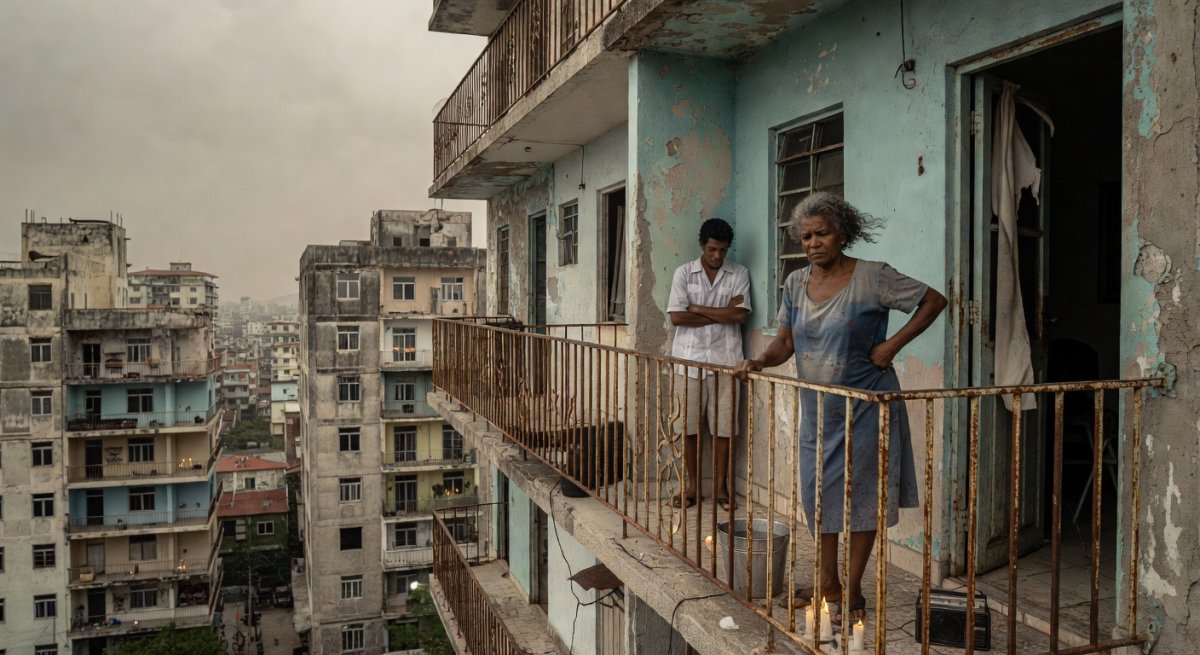
Power Outages Disrupt Daily Life in Cuban High-Rises
Cuba continues to face extended periods of electricity shortages driven by limited fuel supplies. These disruptions affect residents in multi-story buildings across the island, where elevators and basic appliances become unusable for hours at a time. The situation has forced many households to reorganize routines around unpredictable blackouts that can last through the night.
Personal Accounts from Affected Residents
Ana Rosa Romero, a 70-year-old widow in a Havana high-rise, described how outages prevented use of the building elevator during a medical emergency involving her husband. Without power, movement between floors became impossible, leaving elderly residents isolated until service resumed. Such incidents highlight the direct risks for older adults who depend on vertical transport in their buildings.
Energy Dependency and External Pressures
Cuba relies heavily on imported fuel to generate electricity, creating vulnerability when supplies are interrupted. The United States maintains long-standing restrictions on trade and financial transactions with the island, which Cuban authorities link to current fuel scarcity. These policies limit access to spare parts for power plants and constrain alternative energy imports, deepening the crisis for ordinary citizens.
Climate Implications of Prolonged Fuel Shortages
From an environmental perspective, repeated blackouts underscore Cuba's challenges in shifting away from fossil fuel dependence. Without reliable access to technology or financing for renewables, the country remains locked into aging infrastructure that cannot meet demand. This pattern of energy poverty affects daily life in urban centers while also stalling broader climate adaptation efforts in a region already facing rising temperatures and extreme weather.
Effects on Local Economy and Community Routines
Businesses and households in cities like Havana must plan around power availability, often reducing operating hours or relying on costly backup generators when available. In residential towers, neighbors share information about outage schedules through informal networks, reflecting community resilience amid economic strain. These adaptations reveal how national fuel constraints reshape social interactions and small-scale commerce at the neighborhood level.
Looking Ahead for Cuban Energy Access
Officials and residents alike continue to navigate the intersection of international policy, infrastructure limits, and everyday survival. The human costs in high-rise communities demonstrate how energy access issues extend beyond technical shortages into matters of health, mobility, and dignity for vulnerable populations.
By Elena Vasquez, Staff WriterThis article was produced with AI-assisted research and editorial support. Reporting is based on sources cited in the article.
What's Your Reaction?
 Like
0
Like
0
 Dislike
0
Dislike
0
 Love
0
Love
0
 Funny
0
Funny
0
 Wow
0
Wow
0
 Sad
0
Sad
0
 Angry
0
Angry
0

Latin America Correspondent at Global1.News. Based in Mexico City, covering politics, economics, energy, and culture across the region. Brings an on-the-ground perspective to stories spanning from the Rio Grande to Patagonia.












Comments (0)