
House Votes 215-208 to Halt Iran War in Rebuke of Trump
Folks, the House just dropped a bombshell that no one in the White House wanted to see coming. In a razor-thin 215-208 vote, lawmakers approved a war powers resolution to halt U.S. military action against Iran for the first time, with a handful of Republicans crossing the aisle to join Democrats and send a clear rebuke to President Donald Trump. This isn't some symbolic gesture
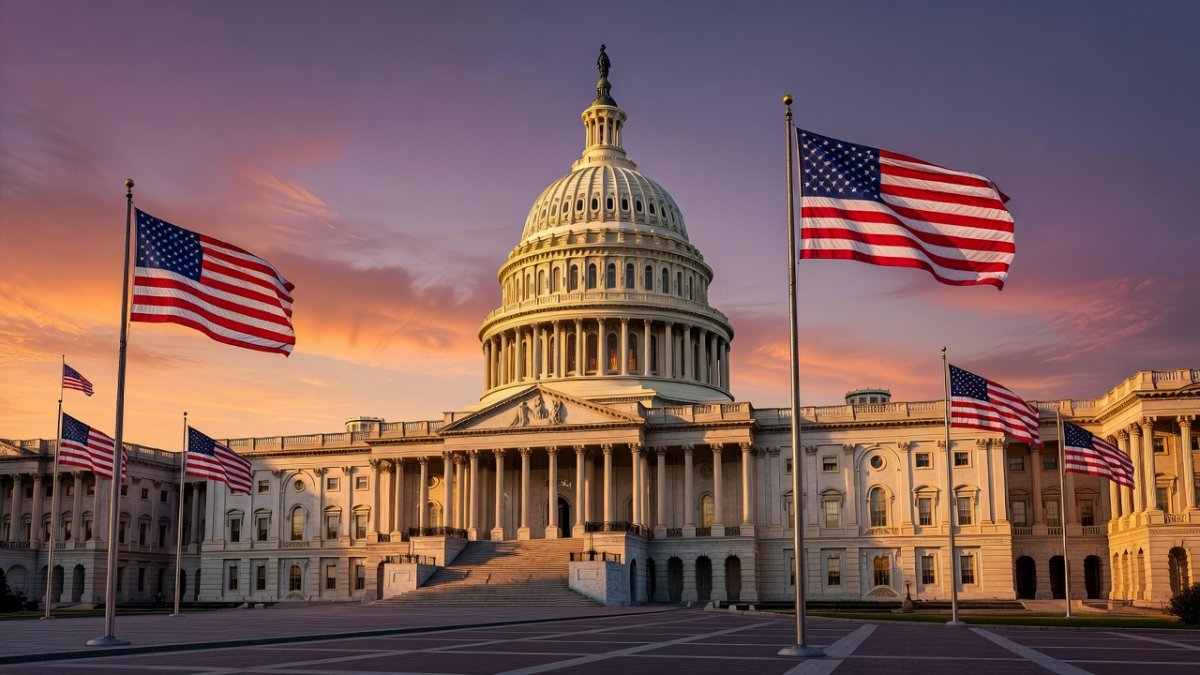
Folks, the House just dropped a bombshell that no one in the White House wanted to see coming. In a razor-thin 215-208 vote, lawmakers approved a war powers resolution to halt U.S. military action against Iran for the first time, with a handful of Republicans crossing the aisle to join Democrats and send a clear rebuke to President Donald Trump. This isn't some symbolic gesture that fades into the background. It's a direct challenge to a three-month war that has dragged on despite a shaky April ceasefire, and it exposes the growing cracks in support for a conflict that keeps flaring with strikes even as talks stall.
The Vote That Defied the White House
Wednesday's tally wasn't just numbers on a board. It was 215-208, and the chamber erupted in cheers because everyone knew what it meant. Speaker Mike Johnson had worked hard to block this outcome, yet four Republicans still joined Democrats to push it through. The resolution aims to stop further U.S. military action against Iran, and while it won't end the fighting overnight, it marks the first time the House has used this tool to rein in the commander in chief on this specific conflict. Each previous push saw the vote totals climb, showing that unease isn't fading. It's building.
Trump campaigned on ending endless foreign wars and bringing focus back home, but this war has pulled attention straight back to the Middle East. The vote stands as a rebuke of that strategy, plain and simple. Johnson spent three hours at the White House this week and insists the president remains laser-focused on domestic issues ahead of midterms, yet the House action shows Congress isn't buying the full picture.
Bipartisan Anger and the Human Toll
Rep. Gregory Meeks, the top Democrat on the House Foreign Affairs Committee, didn't mince words when he led the effort. "Enough is enough," he said. "It is time for the president to do the right thing. The people are tired of suffering because of his war of choice — suffering at the gas pump, suffering at the supermarkets." That frustration isn't partisan theater. It's the reality hitting families who feel the pinch every time they fill up or shop for groceries.
Four Republicans broke ranks because the political cost of staying silent has grown too high. The war has shifted priorities away from the domestic agenda Trump promised, and voters are noticing. This isn't about abstract policy debates. It's about real suffering that keeps compounding while military strikes between the U.S. and Iran continue to flare despite the declared ceasefire.
The Uneasy Ceasefire and Lingering Threats
A ceasefire was declared back in April, but don't let that word fool you. It remains uneasy and uncertain, with talks for a lasting peace dragging on and getting more complicated by the day. Israel's broadening conflict with Iran-backed Hezbollah militants in Lebanon has added layers of tension that make any durable agreement harder to reach. Meanwhile, those U.S.-Iran strikes keep happening, proving the fighting hasn't truly stopped.
Johnson claimed the president is working on reopening the Strait of Hormuz to get commerce flowing again, telling reporters that the entire world has an interest in that outcome. "We're working on that final piece," he said. But the House vote shows lawmakers aren't content to wait while the situation simmers. The resolution provides a symbolic, if not fully legal, step against further military action, and it arrives at a moment when the administration argues that the ceasefire means hostilities have ceased under the war powers framework.
What Happens Next in the Senate and Courts
The measure now heads to the Senate, where four Republican senators already joined Democrats last month to advance a similar resolution. No final Senate vote has happened yet, but the momentum is clear. If both chambers approve, it sets up a fresh legal showdown over who truly holds the power to decide war and peace. The Constitution gives Congress the authority to declare war, yet the president wields commander-in-chief powers, creating an ongoing dispute that could land back in the courts.
Under the War Powers Act, the White House normally has a 60-day window to seek congressional approval for military action. The administration maintains that the ceasefire changes the equation, but the House isn't waiting for that interpretation to hold. Secretary of State Marco Rubio warned at a hearing that Iran would see any approved resolution as tying the administration's hands, making deals less likely because adversaries would assume the U.S. can't respond.
Broader Moves on Ukraine and Lebanon
This isn't happening in isolation. The same day, the House took a procedural step toward authorizing U.S. support for Ukraine's military operations, showing Democrats are actively working to peel off Republican votes on multiple national security fronts. Another war powers resolution targeting U.S. action in Lebanon is also expected. The pattern reveals a Congress no longer content to rubber-stamp executive decisions in the Middle East or beyond.
These moves matter because they test the boundaries of power in real time. The war against Iran has already lasted three months with an uneasy pause, and lawmakers are using every tool available to assert their role. The increasing vote totals on each war powers push prove the opposition is growing, not shrinking.
What This Means for Everyday Americans
If you're feeling the strain at the pump or in the grocery aisle, this vote connects directly to your life. The resolution highlights how a war of choice keeps exacting costs long after the initial promises to avoid new entanglements. With midterms looming, the political pressure is rising because voters are tired of watching foreign conflicts pull resources and attention away from domestic priorities. The symbolic weight of 215-208 sends a message that Congress can no longer ignore the mounting fatigue.
The uncertain path forward means nothing is settled. Trump would likely reject any congressional limit on his authority, yet the bipartisan margin shows the political ground has shifted. Readers need to track what happens in the Senate and whether further legal challenges emerge, because these decisions shape how future conflicts get handled.
What You Can Do
Stay engaged with your representatives. Contact your House member and senators to demand they explain their position on the war powers resolution and the ongoing situation with Iran. Follow the Senate vote closely and push for transparency on any talks to reopen the Strait of Hormuz. Attend local town halls, ask direct questions about the costs of continued military action, and support candidates who prioritize ending unnecessary foreign entanglements. Your voice matters in holding power accountable.
By Jessica Ali, Lead Anchor — Global 1 News
This article was produced with AI-assisted research and editorial support. Reporting is based on sources cited in the article.
What's Your Reaction?
 Like
0
Like
0
 Dislike
0
Dislike
0
 Love
0
Love
0
 Funny
0
Funny
0
 Wow
0
Wow
0
 Sad
0
Sad
0
 Angry
0
Angry
0

Editor-in-Chief at Global1.News. Atlanta-based journalist who cuts through the BS and tells it like it is. Lead anchor, host, and the voice you hear when the spin stops and the truth starts.















Comments (0)