
Colombia Hosts First Global Conference on Phasing Out Fossil Fuels
Colombia Hosts Historic Gathering on Fossil Fuel Phase-Out Santa Marta, Colombia — On the Caribbean coast where the Sierra Nevada de Santa Marta rises from the sea, representatives from 57 countries opened the first International Conference on Transitioning Away from Fossil Fuels on April 24, 2026. The five-day summit, formally titled "Más Allá de los Combustibles Fósiles," bro
Colombia Hosts Historic Gathering on Fossil Fuel Phase-Out
Santa Marta, Colombia — On the Caribbean coast where the Sierra Nevada de Santa Marta rises from the sea, representatives from 57 countries opened the first International Conference on Transitioning Away from Fossil Fuels on April 24, 2026. The five-day summit, formally titled "Más Allá de los Combustibles Fósiles," brought together nations representing one-third of global GDP, more than 2,000 civil society organizations, and over 500 Indigenous representatives.
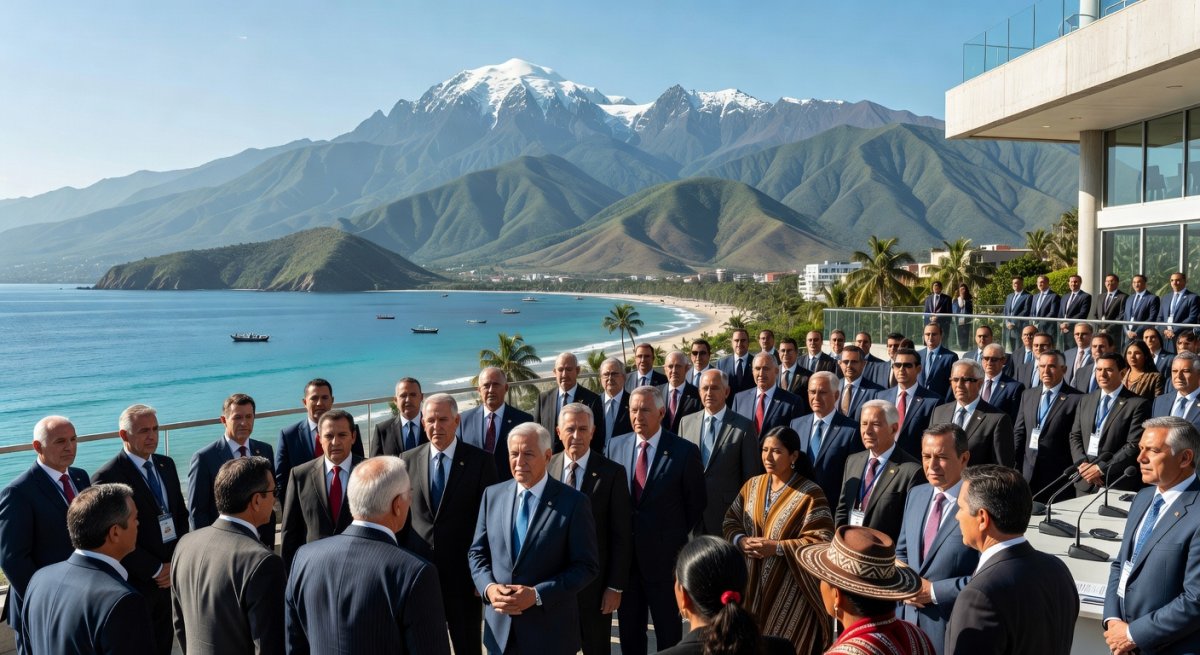
Hosted by Colombia's Ministry of Environment and Sustainable Development (MinAmbiente) and co-hosted with the Netherlands, the meeting marked the first dedicated global forum to move beyond the vague "transitioning away" language adopted at COP28. With oil supply routes through the Strait of Hormuz disrupted and a new El Niño pattern emerging in 2026, urgency replaced the usual diplomatic delays.
President Petro Frames the Stakes for Humanity
In his opening address, President Gustavo Petro warned that without rapid energy transition the world faces "barbarism." He questioned whether capitalism can adapt to a non-fossil model, describing the moment as a direct conflict between humanity and capital. Environment Minister Irene Vélez Torres reinforced the message, noting that Colombia has already committed to a 90 percent emissions reduction by 2050.
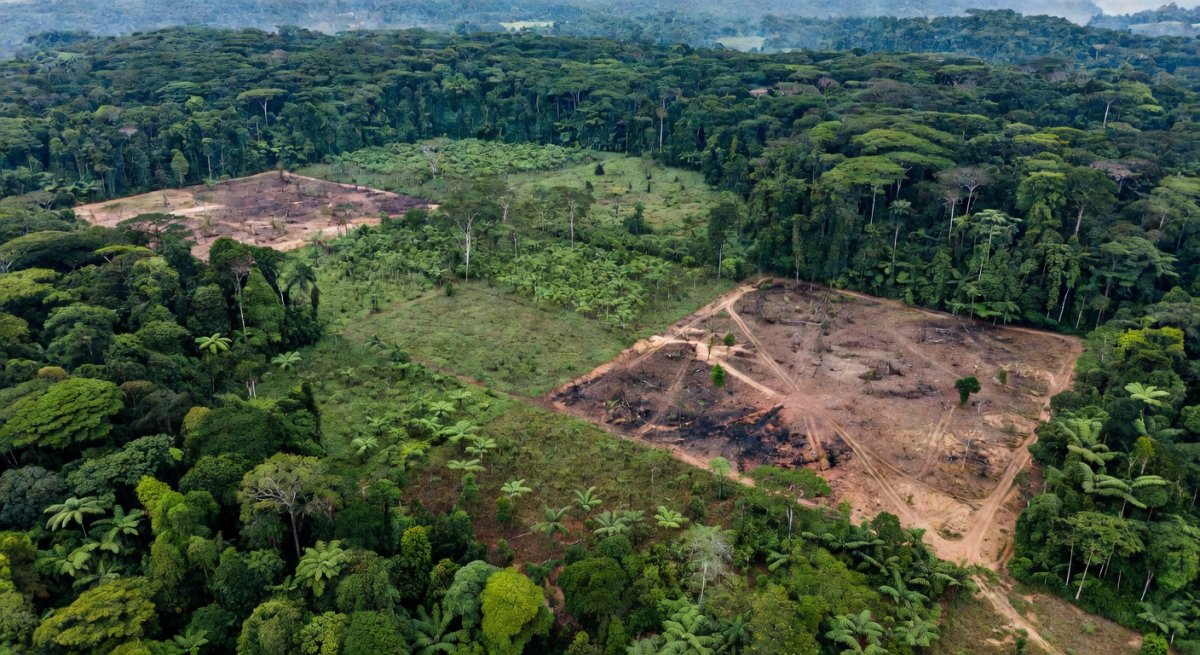
Petro's words resonated beyond the conference hall. In the coffee-growing highlands and the Amazonian departments of Caquetá and Putumayo, communities have watched oil exploration permits encroach on watersheds for years. The president's framing gave those local struggles an international platform.
Colombia's Concrete Protections on the Ground
Colombia arrived at the summit with measurable advances. The government has declared more than 483,000 square kilometers of Amazon rainforest as a protected reserve and banned new oil, gas, and mining concessions across 42 percent of national territory. In the Sierra Nevada de Santa Marta, 942,000 hectares now carry strict conservation status.
Officials also reported a 37 percent reduction in deforestation rates and the restoration of 643,000 hectares of degraded land. A $1.4 billion commitment over ten years will fund these environmental programs. These steps directly affect the daily lives of Afro-Colombian and Indigenous fishing communities along the Caribbean coast who depend on healthy mangroves and stable rainfall patterns.
Outcomes: Roadmaps, Subsidy Reform, and Binding Legislation
The conference produced a coalition of willing countries pledged to accelerate fossil fuel phase-out. Participating nations—including Brazil, Mexico, Germany, France, the United Kingdom, Canada, Pacific island states, and several African countries—agreed to develop national transition roadmaps within 18 months. Progressive dismantling of fossil fuel subsidies will begin with annual public reporting requirements.
A parliamentary declaration calls for binding domestic legislation in each participating country. Scientific and ethical advisory panels will monitor progress. Colombia's own 90 percent reduction target by 2050 now serves as a benchmark for other Latin American economies.
People's Declaration and the Next Steps
Civil society groups released their own People's Declaration for a Just Transition, demanding that revenues from any remaining carbon taxes fund community-led renewable projects rather than further fossil infrastructure. A second global conference is scheduled for early 2027 and will be hosted by a Pacific island nation.
For residents of Santa Marta and the surrounding Sierra Nevada, the summit was not abstract diplomacy. It directly links to whether their rivers continue to run clear, whether small-scale fishers retain access to traditional grounds, and whether the next generation can live without the threat of oil spills or mining tailings. Colombia's leadership has placed these realities at the center of the global conversation on leaving fossil fuels behind.
By Elena Vasquez, Staff WriterThis article was produced with AI-assisted research and editorial support. Reporting is based on sources cited in the article.
What's Your Reaction?
 Like
0
Like
0
 Dislike
0
Dislike
0
 Love
0
Love
0
 Funny
0
Funny
0
 Wow
0
Wow
0
 Sad
0
Sad
0
 Angry
0
Angry
0

Latin America Correspondent at Global1.News. Based in Mexico City, covering politics, economics, energy, and culture across the region. Brings an on-the-ground perspective to stories spanning from the Rio Grande to Patagonia.














Comments (0)