
Climate Change Threatens Caribbean Hot Sauce Supply as Scotch Bonnet Shortages Mount
The Caribbean's Fiery Staple Faces a Growing Crisis Hot pepper sauce holds a central place in Caribbean cuisine, much like ketchup does across dining tables in the United States. This fiery condiment accompanies everyday meals from rice and peas to curries and stews throughout the region. A rising number of brands now reach consumers in North America, Europe and Australia, lini
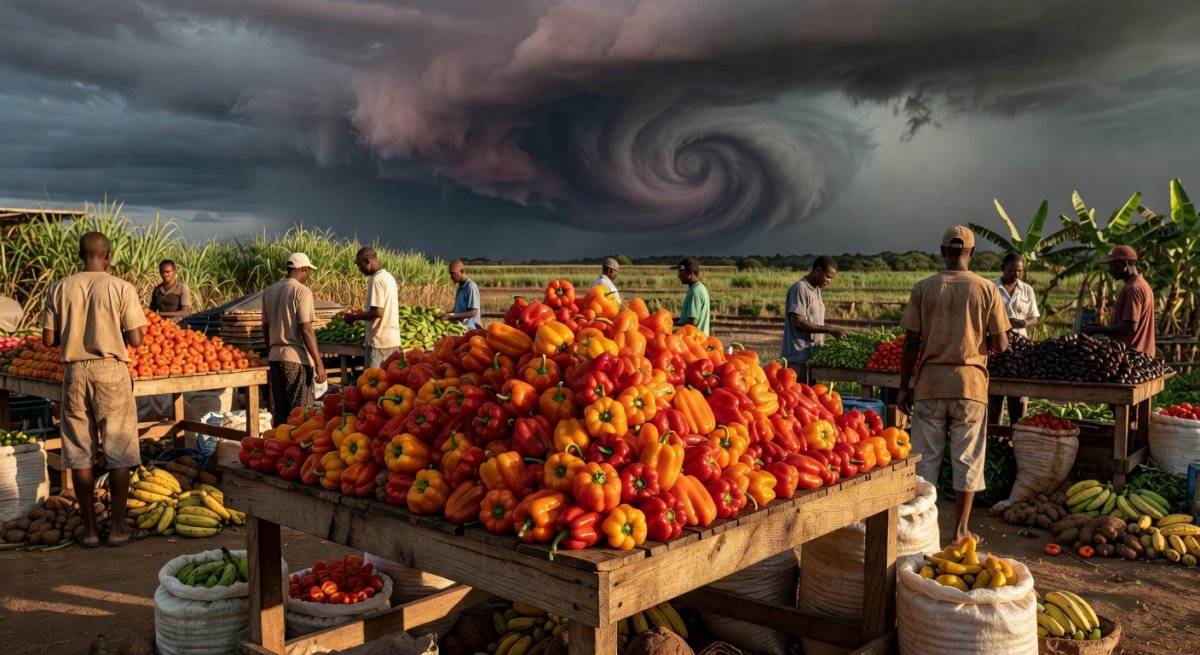
The Caribbean's Fiery Staple Faces a Growing Crisis
Hot pepper sauce holds a central place in Caribbean cuisine, much like ketchup does across dining tables in the United States. This fiery condiment accompanies everyday meals from rice and peas to curries and stews throughout the region. A rising number of brands now reach consumers in North America, Europe and Australia, lining shelves at major retailers including Walmart in the US, Tesco in the UK and Woolworths in Australia. Yet a shortage of the key ingredient, Scotch bonnet peppers, now threatens steady supply and drives up costs for producers across the islands.
Extreme Weather and Pests Disrupt Pepper Production
Manufacturers point to a combination of extreme weather, disease and pests as the main reasons Scotch bonnet peppers have become harder to obtain. The small yellow fruit proves sensitive to heavy rainfall and viruses, complicating efforts to maintain reliable harvests. Devastating hurricanes in Jamaica, a leading source of these peppers, added severe pressure. Hurricane Melissa struck last October as the strongest storm in Jamaica's recorded history, striking an agricultural sector still recovering from Hurricane Beryl the previous year.
These successive storms left many fields damaged and reduced available stock. Heavy rains also alter the peppers' taste, with some customers noticing sauces that lack their usual heat after periods of excessive moisture. The challenges extend beyond Jamaica, as peppers face similar pressures from viruses and insects such as gall midges across the wider Caribbean.
Producers Cancel Orders and Build Stockpiles
Sean Garbutt of Associated Manufacturers, which produces Jamaica's Walkerswood sauces and seasonings, described how the company became severely limited and had to cancel orders. Walkerswood exports more than 95 percent of its output, with two-thirds destined for the United States. In a single recent year the firm shipped the equivalent of 500 twenty-foot cargo containers overseas. Garbutt noted that the main barrier to further growth remains consistent access to fresh produce. After Hurricane Beryl, many farmers shifted toward sweet potato because it withstands harsh conditions better and commands a higher price per pound.
Drew Gray, whose family founded Gray's Pepper more than fifty years ago, explained that his company maintains high inventory levels year-round to manage disruptions. Before Hurricane Beryl the firm held roughly six months of stock, and a similar buffer existed ahead of Hurricane Melissa. While this approach strains cash flow, it helps the business continue operations. Gray's Pepper conducts about two-thirds of its sales through exports and relies on fresh peppers for its top-selling Scotch Bonnet Pepper Sauce to preserve the vibrant color customers expect.
Cultural Role and Economic Pressures on Local Communities
Hot sauce remains a daily essential in Jamaican cook shops and restaurants, where its absence can feel like an oversight. Drew Gray observed that the region's high heat tolerance shapes a distinctive approach to seasoning, with Scotch bonnets added generously to many dishes. The shortage therefore touches more than export revenue; it affects household routines and the identity of Caribbean meals.
Prices climbed sharply after the recent hurricanes, rising as much as tenfold immediately following Hurricane Melissa and showing an overall increase of 40 to 50 percent over two years. Farmers have grown reluctant to replant, further tightening supply. The Jamaican government has responded by distributing Scotch bonnet seeds to 650 growers through the Rural Agricultural Development Authority, recognizing the peppers as a flagship product that accounts for 40 percent of national output destined for overseas markets.
Shared Climate Risks Across Latin America
The difficulties in Jamaica illustrate how climate change intensifies agricultural vulnerabilities throughout Latin America and the Caribbean. Back-to-back storms have already forced producers to adapt or reduce output, and similar patterns of extreme weather threaten crops in other countries. Brazil, with its vast farming regions, faces parallel risks from heavy rains, droughts and shifting weather patterns that can damage yields and raise costs for staple foods.
Dwight Forrester of Jamaica's Rural Agricultural Development Authority noted that Scotch bonnets remain a household name in Caribbean stores and restaurants worldwide despite the mounting obstacles. The experience in Jamaica underscores the need for greater support for small-scale growers who supply both local tables and international demand. Without sustained attention to these climate-driven pressures, the distinctive flavors that define regional cuisine risk becoming harder to maintain.
By Elena Vasquez, Staff WriterThis article was produced with AI-assisted research and editorial support. Reporting is based on sources cited in the article.
What's Your Reaction?
 Like
1
Like
1
 Dislike
0
Dislike
0
 Love
0
Love
0
 Funny
0
Funny
0
 Wow
0
Wow
0
 Sad
0
Sad
0
 Angry
0
Angry
0

Latin America Correspondent at Global1.News. Based in Mexico City, covering politics, economics, energy, and culture across the region. Brings an on-the-ground perspective to stories spanning from the Rio Grande to Patagonia.












Comments (0)