
Climate change threatens Caribbean hot sauce production as Scotch bonnet peppers face shortages
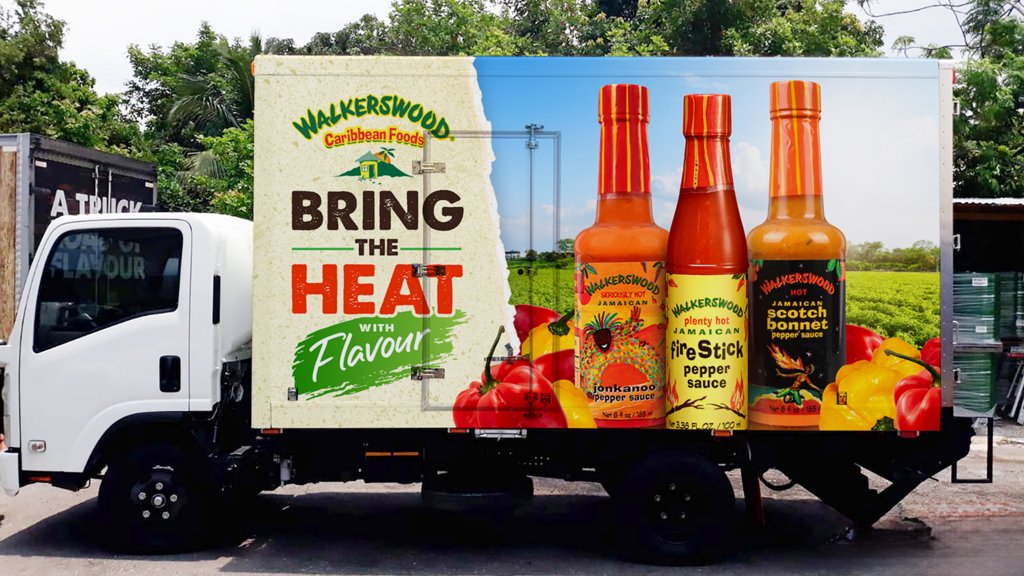
The Heart of Caribbean Flavor Under Threat Hot pepper sauce remains as central to Caribbean dining as ketchup is across the United States, appearing on tables alongside rice and peas, curries, and stews throughout the region. International demand has grown, with brands reaching supermarket shelves in the United States, United Kingdom, and Australia. Yet a shortage of Scotch bon
The Heart of Caribbean Flavor Under Threat
Hot pepper sauce remains as central to Caribbean dining as ketchup is across the United States, appearing on tables alongside rice and peas, curries, and stews throughout the region. International demand has grown, with brands reaching supermarket shelves in the United States, United Kingdom, and Australia. Yet a shortage of Scotch bonnet peppers now limits supply and raises costs for producers across Jamaica and the wider Caribbean.
Extreme Weather and Pests Strike Production
Scotch bonnet peppers prove especially vulnerable to heavy rain, viruses, and pests such as gall midges. Last October's Hurricane Melissa, the strongest in Jamaica's history, struck agricultural areas still recovering from Hurricane Beryl the previous year. These back-to-back storms destroyed crops and left farmers hesitant to replant, illustrating the mounting pressures climate change places on small island agriculture.
Manufacturers Face Shortages and Rising Costs
Sean Garbutt of Associated Manufacturers, which produces Walkerswood sauces, reports canceled orders and limited output after the hurricanes. The company exports more than 95 percent of its products, with two-thirds destined for the United States, including the equivalent of 500 twenty-foot containers last year alone. Drew Gray of Gray's Pepper notes that prices for Scotch bonnets rose roughly tenfold immediately after Hurricane Melissa and increased 40 to 50 percent overall in the past two years.
Cultural Cornerstone and Daily Life
Scotch bonnets hold deep cultural importance in Jamaica, where they feature prominently in local cuisine and appear on tables in cook shops and restaurants. Many Jamaicans take pride in the island's peppers and their distinctive heat, which shapes regional cooking traditions. Shortages therefore affect both household meals and the identity tied to these flavors.
Government Support and Regional Outlook
Jamaica's Rural Agricultural Development Authority has distributed Scotch bonnet seeds to 650 growers to aid recovery. Dwight Forrester of the authority describes peppers as a flagship product, with 40 percent of production exported. These efforts highlight the economic stakes for Caribbean communities whose livelihoods depend on agriculture increasingly disrupted by changing weather patterns.
Broader Climate Pressures Across the Caribbean
The challenges facing Scotch bonnet growers reflect wider climate impacts on the region, where successive storms and shifting rainfall patterns strain food systems and export economies. Maintaining inventory buffers has helped some producers, yet the pattern of weather-related losses signals ongoing risks to food security and cultural staples throughout the Caribbean.
By Elena Vasquez, Staff WriterThis article was produced with AI-assisted research and editorial support. Reporting is based on sources cited in the article.
What's Your Reaction?
 Like
0
Like
0
 Dislike
0
Dislike
0
 Love
0
Love
0
 Funny
0
Funny
0
 Wow
0
Wow
0
 Sad
0
Sad
0
 Angry
0
Angry
0

Latin America Correspondent at Global1.News. Based in Mexico City, covering politics, economics, energy, and culture across the region. Brings an on-the-ground perspective to stories spanning from the Rio Grande to Patagonia.











Comments (0)