
Venezuela Seeks Compensation From Trinidad Over Oil Spill
Venezuela Raises Alarm Over Oil Spill in Shared Gulf of Paria The Dispute Over the May 1 Spill Venezuela has formally demanded information and compensation from Trinidad and Tobago following an oil spill that occurred on May 1. The neighbouring country claims the spill originated in Trinidadian waters and warns of serious environmental damage to the shared ecosystems of the Gul
The Dispute Over the May 1 Spill
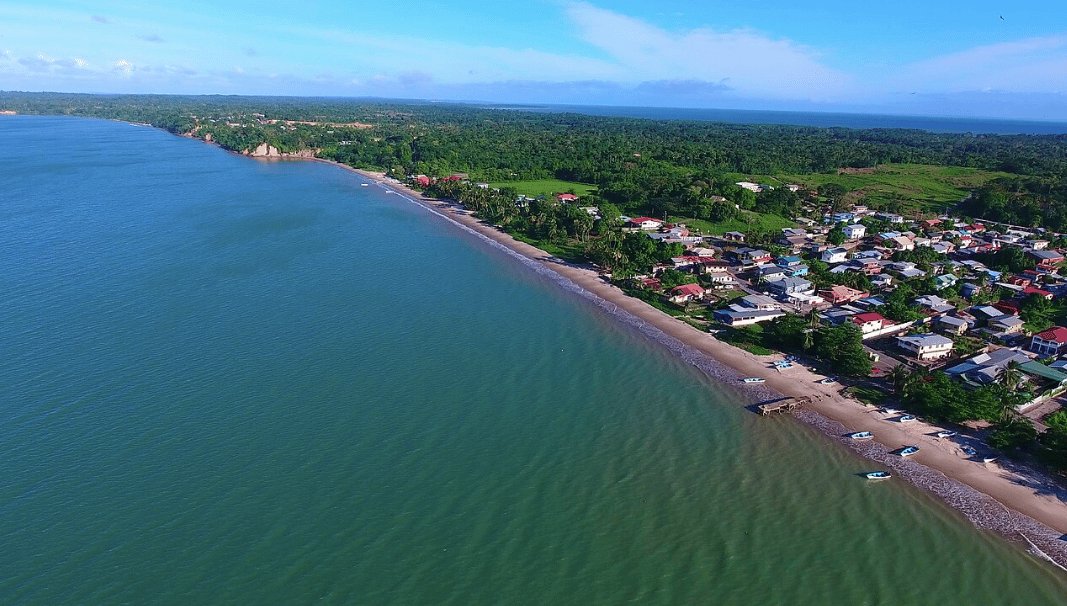
Venezuela has formally demanded information and compensation from Trinidad and Tobago following an oil spill that occurred on May 1. The neighbouring country claims the spill originated in Trinidadian waters and warns of serious environmental damage to the shared ecosystems of the Gulf of Paria. This body of water lies directly between the two nations, and both countries share this maritime space.
The formal request highlights ongoing tensions around how incidents in these waters are handled. Venezuela's position centres on the need for full details and redress for any harm caused to the marine environment that both sides rely upon.
Trinidad and Tobago's Position on the Incident
Trinidad and Tobago disputes the scale of the event, describing it as a minor spill involving 10 barrels that was quickly contained. Officials maintain that the response was swift and effective, limiting any lasting impact. This account stands in contrast to the concerns raised across the border about potential wider effects on the shared gulf.
The difference in descriptions shows how the same incident can be viewed through different lenses depending on national interests and responsibilities. Trinidad and Tobago's emphasis on containment reflects the practical challenges of managing energy-related activities in busy coastal zones.
Environmental Risks to the Shared Gulf Ecosystem
The Gulf of Paria serves as a vital ecological link for both Trinidad and Tobago and Venezuela. Any spill, regardless of size, raises questions about long-term effects on marine life, coastal habitats, and the livelihoods that depend on these waters. Venezuela's warning about serious environmental damage underscores the sensitivity of this shared space.
Small island developing states across the Caribbean face similar vulnerabilities. Environmental incidents can affect fisheries, tourism recovery after the pandemic, and the overall health of coastal communities. The May 1 event brings these broader risks into focus for the region.
Energy Politics and Regional Diplomacy
Energy resources play a central role in relations between Trinidad and Tobago and Venezuela. The Gulf of Paria has long been part of discussions around oil and gas activities, making any spill a matter that touches on economic and political ties. Venezuela's demand for information and compensation adds a diplomatic layer to what began as an operational incident.
Regional cooperation through bodies such as CARICOM often addresses cross-border issues like this. Clear communication between the two countries remains essential to prevent misunderstandings from affecting wider Caribbean energy cooperation and environmental protection efforts.
Implications for Caribbean Small Island States
Incidents in shared waters remind the wider Caribbean of the need for strong environmental safeguards. Countries like Jamaica, Barbados, and Guyana also navigate the balance between energy development and protecting marine spaces. The Gulf of Paria situation illustrates how one event can prompt regional conversations about responsibility and preparedness.
Cost of living pressures and the push for post-pandemic tourism recovery make environmental stability even more important. Communities in Trinidad and Tobago and neighbouring islands depend on healthy seas for both daily needs and economic opportunities. The current disagreement highlights the value of transparent handling of such matters.
Looking Ahead for Bilateral Relations
The formal exchange between Venezuela and Trinidad and Tobago over the May 1 spill points to the importance of established channels for addressing maritime concerns. Both nations share the Gulf of Paria, so ongoing dialogue will shape how future incidents are managed.
Regional diplomacy in the Caribbean often succeeds when countries focus on common interests such as protecting ecosystems and supporting stable energy sectors. The current situation offers an opportunity to strengthen these ties while respecting each country's perspective on the event.
By Sharon Sahatoo, Staff WriterThis article was produced with AI-assisted research and editorial support. Reporting is based on sources cited in the article.
What's Your Reaction?
 Like
0
Like
0
 Dislike
0
Dislike
0
 Love
0
Love
0
 Funny
0
Funny
0
 Wow
0
Wow
0
 Sad
0
Sad
0
 Angry
0
Angry
0

Caribbean Correspondent at Global1.News. Based in Port of Spain, Trinidad, covering Caribbean politics, economy, energy, climate, and culture. Amplifying the voices and stories of the Caribbean region.










Comments (0)