
Caribbean Pepper Crisis Highlights Climate Risks to Farming
Caribbean Pepper Crisis Highlights Climate Risks to Farming Hot pepper sauce remains a daily essential across Caribbean tables, much like ketchup in other regions. Yet supplies of the key Scotch bonnet chilli face mounting pressure from extreme weather events, disease and pests. Manufacturers report that recent hurricanes have compounded existing challenges for growers in prime
Caribbean Pepper Crisis Highlights Climate Risks to Farming
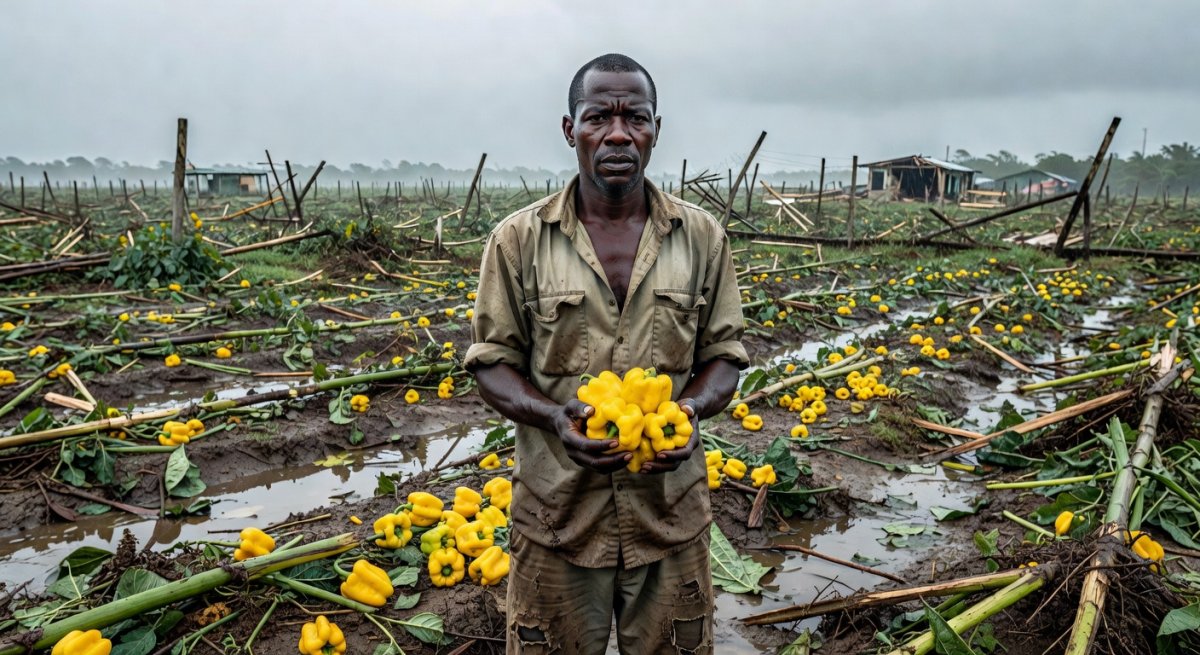
Hot pepper sauce remains a daily essential across Caribbean tables, much like ketchup in other regions. Yet supplies of the key Scotch bonnet chilli face mounting pressure from extreme weather events, disease and pests. Manufacturers report that recent hurricanes have compounded existing challenges for growers in prime production areas such as Jamaica.
Back-to-Back Storms Disrupt Production
Hurricane Melissa struck Jamaica last October as the strongest storm in the island's recorded history, hitting agriculture while recovery from Hurricane Beryl continued. Sean Garbutt of Associated Manufacturers noted that orders for Walkerswood sauces had to be cancelled due to limited pepper availability. Many farmers shifted to hardier crops like sweet potato after these events, reducing replanting of the temperamental Scotch bonnet variety.
Drew Gray of Gray's Pepper observed that product scarcity followed the storms, with prices rising sharply. Over recent years costs have climbed 40 to 50 percent overall. Dwight Forrester of Jamaica's Rural Agricultural Development Authority pointed to additional pressures from viruses and pests such as gall midges affecting peppers regionwide. Jamaica exports roughly 40 percent of its output.
Brazil Faces Parallel Agricultural Threats
As South America's largest economy and a leading global exporter of soy, coffee and beef, Brazil contends with its own pattern of intensified rainfall, droughts and storms that threaten crop yields. Regions in the northeast and south have already seen losses in staple production during recent extreme seasons, underscoring how climate-driven disruptions can ripple through supply chains.
Shared Challenges Demand Practical Adaptation
The Caribbean experience illustrates how reliance on single crops leaves farmers exposed when weather patterns shift. Brazilian producers may draw insight from efforts to diversify planting and improve pest management, though outcomes will depend on local soil, infrastructure and policy support rather than direct replication of island strategies.
Economic Stakes for Major Exporters
With agriculture forming a cornerstone of Brazil's trade balance, sustained extreme weather could affect both domestic food security and international shipments. The pepper shortages demonstrate how regional events influence global markets, a dynamic relevant to Brazilian exporters navigating similar climate pressures.
Regional Cooperation on Resilience
Caribbean and South American agricultural authorities face comparable tasks in supporting farmers amid changing conditions. Continued monitoring of weather patterns and targeted assistance for disease-resistant varieties offer avenues for reducing future losses across both areas.
By Elena Vasquez, Staff WriterThis article was produced with AI-assisted research and editorial support. Reporting is based on sources cited in the article.
What's Your Reaction?
 Like
0
Like
0
 Dislike
0
Dislike
0
 Love
0
Love
0
 Funny
0
Funny
0
 Wow
0
Wow
0
 Sad
0
Sad
0
 Angry
0
Angry
0

Latin America Correspondent at Global1.News. Based in Mexico City, covering politics, economics, energy, and culture across the region. Brings an on-the-ground perspective to stories spanning from the Rio Grande to Patagonia.













Comments (0)