
Lacson Pushes Senate Probe Into Power Bill Hikes: 'Bill Shock' Hits Filipino Families Hard
The cost of keeping the lights on has become a national crisis. With electricity rates climbing month after month, Filipino families are opening their bills in disbelief — and Senator Panfilo Lacson has had enough. This week, the veteran lawmaker filed Senate Resolution No. 511, calling for a full legislative inquiry into the relentless rise in power rates and the growing number of complaints about "bill shock" that have hit households across the country. Lacson Pushes Senate
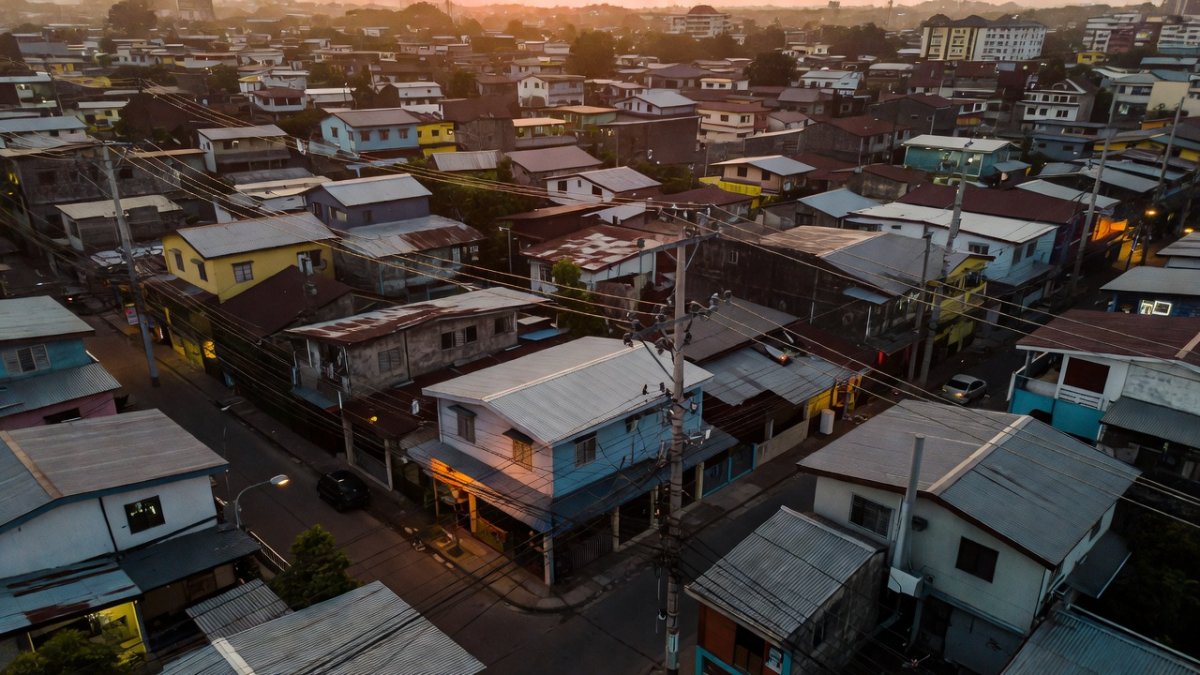
The cost of keeping the lights on has become a national crisis. With electricity rates climbing month after month, Filipino families are opening their bills in disbelief — and Senator Panfilo Lacson has had enough. This week, the veteran lawmaker filed Senate Resolution No. 511, calling for a full legislative inquiry into the relentless rise in power rates and the growing number of complaints about "bill shock" that have hit households across the country.
Lacson Pushes Senate Probe Into Power Bill Hikes: 'Bill Shock' Hits Filipino Families Hard
MANILA, Philippines — As Meralco rates climb to P14.83 per kilowatt-hour and millions of Filipino families struggle under the weight of swelling electricity bills, Senator Panfilo Lacson is demanding answers. In a resolution filed Monday, July 13, Lacson urged the Senate to investigate what he describes as a pattern of excessive, unreasonable, and avoidable increases in the cost of power that is squeezing households, workers, and small businesses from Luzon to Mindanao.
What's Driving the Crisis: Meralco Rates Pushing Families to the Brink
The numbers paint a grim picture. Meralco's residential rate has climbed from P13.2730 per kilowatt-hour in January 2026 to P14.8261 per kWh in July — an increase of more than P1.55 per kWh in just six months. For a typical household consuming 200 kWh per month, that translates to an additional P310 on top of an already heavy electricity bill. In a country where minimum wage workers earn just over P600 a day in Metro Manila, that extra burden means less food on the table, fewer jeepney rides, and tough choices between aircon and survival. "Affordable and reliable electricity is fundamental to promoting Filipinos' welfare, national productivity, and economic development," Lacson said in his resolution, underscoring that power is not a luxury — it is a basic necessity that underpins every aspect of modern life.
Senate Resolution 511: What Lacson Wants Investigated
Senate Resolution 511 is not just another piece of paper gathering dust in the legislative mill. It directs the appropriate Senate committee to conduct a thorough inquiry into the structure of electricity rates, with a particular focus on whether existing regulations are doing enough to shield consumers from exploitation. Lacson specifically pointed to reports of "substantial and unexplained" increases in Meralco bills and complaints over alleged irregular meter readings that have left many customers feeling helpless. The resolution also targets system loss charges — those fees that utility companies pass on to consumers to cover power lost during transmission and distribution. Consumer groups have long argued that non-technical losses, including electricity pilferage, meter tampering, and illegal connections, should not be shouldered by law-abiding paying customers. Yet these charges continue to appear on bills month after month, adding P50 to P200 or more to the average household's monthly statement.
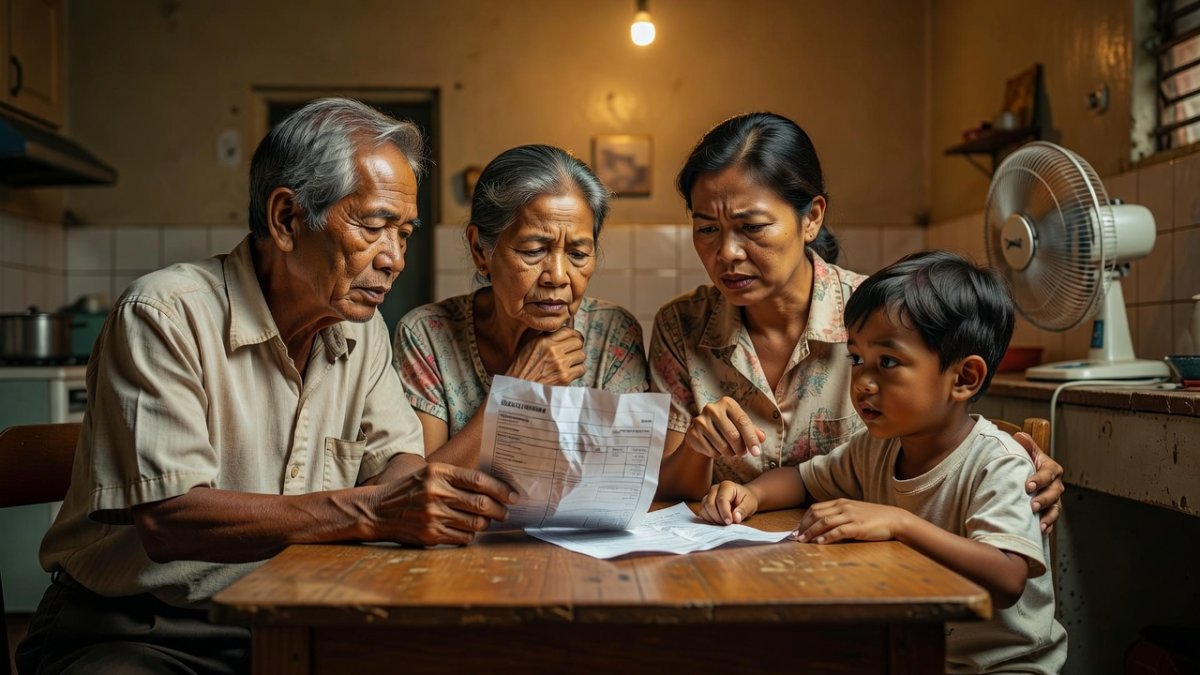
ERC's P31 Billion Approval: A Cost That Landed on Consumers' Shoulders
A key flashpoint in the debate is the Energy Regulatory Commission's decision to allow Meralco and four power generation companies to recover P31.34 billion in costs — a move that took effect in March 2026 and sent rates climbing. Lacson's resolution questions whether the ERC properly weighed the impact on consumers before approving the cost recovery mechanism, and whether a more gradual approach could have softened the blow to households still recovering from the economic aftershocks of recent years. The P31 billion figure represents the cost of power purchased from the Wholesale Electricity Spot Market and bilateral contracts, costs that Meralco argued it was entitled to recover. But for a family in Quezon City trying to stretch their monthly budget, the distinction between legitimate cost recovery and corporate profit protection can feel like a distinction without a difference when the bill arrives.
Gatchalian Joins the Push: Grid Modernization as a Way Forward
Meanwhile, Senate President Sherwin Gatchalian has weighed in with a call of his own — urging the National Grid Corporation of the Philippines to accelerate the modernization of the country's transmission system. Gatchalian warned that an outdated and inflexible grid is not only driving up costs but also stifling the country's transition to renewable energy and electric vehicles. "An efficient and flexible power system is key to ensuring a stable and affordable electricity supply," Gatchalian said, noting that NGCP must invest in upgrades that can accommodate decentralized energy sources, including rooftop solar installations that are becoming increasingly popular in Filipino homes and commercial buildings. The modernization of the grid is seen as a critical piece of the puzzle — one that could unlock lower transmission charges, reduce system losses, and make the Philippines more attractive to renewable energy investors. Without it, Gatchalian argued, the country risks falling further behind its Southeast Asian neighbors, many of which already enjoy significantly lower power rates.
How This Affects Ordinary Filipinos: Sari-Sari Stores, Jeepney Drivers, and OFW Families
The human cost of high electricity rates extends far beyond the monthly budget spreadsheet. For Aling Rosa, who runs a sari-sari store in a barangay in Caloocan, the rising cost of power has forced her to cut back on refrigeration for soft drinks and ice candy — directly cutting into her daily earnings. For Mang Benny, a jeepney driver in Pasay, charging his e-jeepney battery now costs nearly double what it did at the start of the year, eating into the P200 to P300 he takes home after boundary. For OFW families in the provinces, the remittances that once covered electricity bills now fall short, forcing tough conversations with loved ones abroad. Across the archipelago, the burden is shared disproportionately by those who can least afford it. Rural electric cooperatives in provinces like Leyte, Palawan, and North Cotabato charge rates as high as P14 per kWh in some areas, even as service reliability lags behind the national capital. The promise of "power for all" remains hollow for the millions of Filipinos who still experience rotating brownouts and voltage fluctuations that damage appliances and spoil food.
What This Means for Filipino Consumers: Accountability and the Road Ahead
Lacson's resolution represents the latest — and potentially most consequential — attempt by the Senate to rein in an electricity pricing system that many Filipinos believe is broken. By calling for a comprehensive legislative inquiry, the senator is opening the door to structural reforms that could include caps on system loss charges, stricter oversight of ERC decisions, mandated transparency in billing, and penalties for utilities that engage in anti-consumer practices. Consumer advocacy groups have welcomed the move, with many calling for public hearings to be held not just in Manila but also in the provinces, so that the voices of ordinary Filipinos — the farmers, the market vendors, the minimum-wage earners — can be heard directly by the lawmakers who will shape the future of the country's energy policy. The stakes could not be higher. As temperatures rise and the summer heat becomes more punishing with each passing year, access to affordable electricity is no longer a matter of convenience — it is a matter of public health, economic survival, and basic dignity.
What You Can Do: Staying Informed and Making Your Voice Heard
If you are feeling the weight of rising power bills, you are not alone. The Senate inquiry is an opportunity for consumers to demand accountability from utility companies and regulators alike. Stay informed by following public hearing announcements at the Senate website, and consider reaching out to your district's representative or the offices of Senator Lacson and Senate President Gatchalian to share your experience. Consumer protection groups such as the National Association of Electricity Consumers for Reforms (NASECORE) also provide platforms for collective action. In the meantime, small steps like switching to LED lighting, unplugging appliances when not in use, and exploring rooftop solar cooperatives can help ease the burden — but the real change must come from structural reforms that put the interests of Filipino families ahead of corporate bottom lines. Demand affordable power. Demand transparency in your bill. And never stop asking the question that Senator Lacson is now asking on behalf of every Filipino household: why do we pay so much, and what are our leaders doing about it?
By Bella Reyes, Staff Writer
This article was produced with AI-assisted research and editorial support. Reporting is based on sources cited in the article.
What's Your Reaction?
 Like
0
Like
0
 Dislike
0
Dislike
0
 Love
0
Love
0
 Funny
0
Funny
0
 Wow
0
Wow
0
 Sad
0
Sad
0
 Angry
0
Angry
0

Philippines/Southeast Asia Correspondent at Global1.News. Manila-based journalist covering Philippine politics, environment, maritime security, and social issues. Passionate about marine conservation and the communities protecting the Philippines' natural heritage.














Comments (0)