
Caribbean Hot Sauce Shortage Linked to Climate Change
The Growing Crisis in Caribbean Kitchens As a Brazilian journalist who has covered environmental stories across Latin America, I find the unfolding shortage of Scotch bonnet peppers deeply alarming. These fiery chilies form the backbone of Caribbean hot sauces, a condiment as essential to regional meals as rice and peas or stews. Extreme weather, combined with disease and pests
The Growing Crisis in Caribbean Kitchens
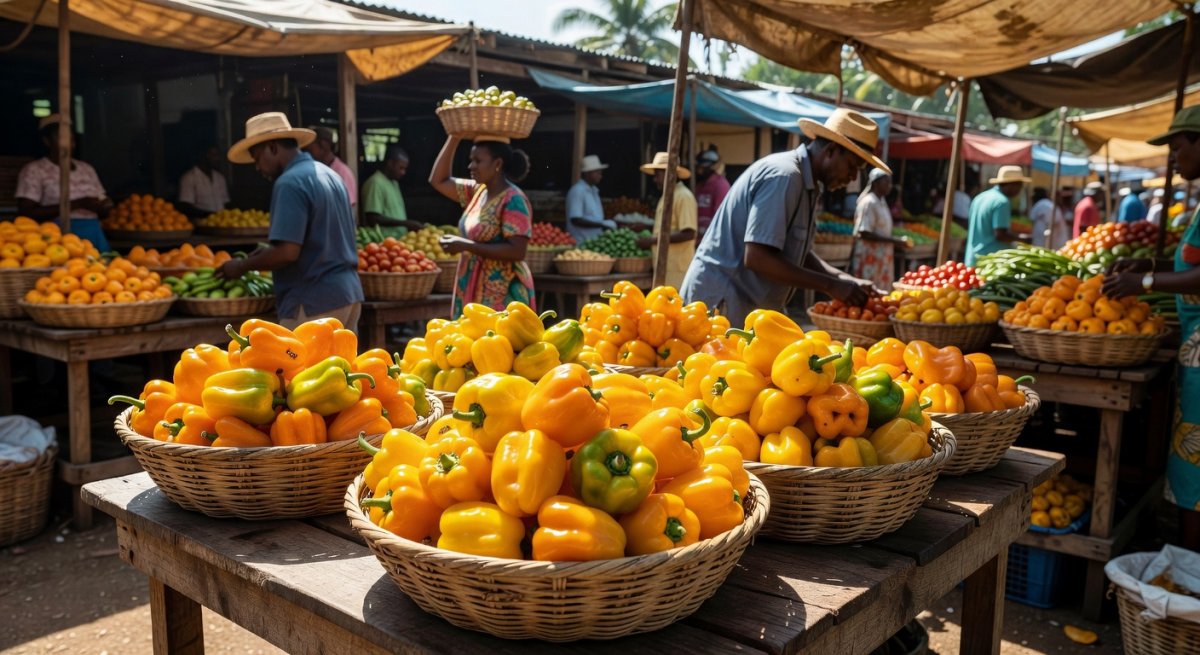
As a Brazilian journalist who has covered environmental stories across Latin America, I find the unfolding shortage of Scotch bonnet peppers deeply alarming. These fiery chilies form the backbone of Caribbean hot sauces, a condiment as essential to regional meals as rice and peas or stews. Extreme weather, combined with disease and pests, has disrupted supplies and driven up costs for producers throughout the islands.
Storms and Sensitivity Hit Production Hard
Hurricane Melissa, which struck Jamaica last October as the strongest storm in the island's recorded history, delivered a severe blow to agriculture already weakened by Hurricane Beryl the previous year. Manufacturers report that the temperamental yellow Scotch bonnet peppers suffer greatly from heavy rains and viruses, making consistent harvests difficult. Sean Garbutt of Associated Manufacturers, which produces Walkerswood sauces, noted that the company had to cancel orders after recent storms, with many farmers shifting to hardier crops like sweet potato.
Prices Surge and Cultural Staples Face Pressure
Gray's Pepper, one of Jamaica's major buyers of the fruit, has seen Scotch bonnet prices rise dramatically, with increases up to tenfold immediately after Melissa and an overall climb of 40 to 50 percent over two years. Drew Gray, whose family founded the company more than fifty years ago, emphasized that hot sauce remains a daily presence on Jamaican tables and a point of cultural pride. The shortages strain operations even as the brand maintains inventory buffers to cope with ongoing weather challenges.
Brazilian Consumers and Farmers Feel the Ripple Effects
While the immediate shortage centers on Caribbean exports to markets like the United States and Europe, Brazilian consumers who enjoy imported Caribbean hot sauces could soon face higher shelf prices in supermarkets. Our own farmers in regions such as the Northeast, where peppers and similar crops are grown, confront parallel threats from shifting rainfall patterns and intensifying storms. This shared vulnerability underscores how climate disruptions in one part of Latin America quickly affect food costs and agricultural planning across borders.
The Wider Latin American Climate Challenge
Jamaica's Rural Agricultural Development Authority has distributed Scotch bonnet seeds to hundreds of growers in an effort to rebuild stocks, yet officials like Dwight Forrester acknowledge that peppers face viruses and pests across the Caribbean. These pressures mirror the broader environmental strains seen from the Amazon to the Caribbean basin, where back-to-back extreme events test the resilience of small-scale producers and export economies alike. For those of us passionate about climate solutions, the story highlights the urgent need for regional cooperation on sustainable farming practices.
Looking Ahead With Caution
Companies are responding by building larger inventories and exploring ways to stabilize supply, but the underlying drivers of erratic weather remain a persistent concern. As Latin American nations grapple with these interconnected challenges, the Caribbean hot sauce shortage serves as a reminder that environmental shifts touch everything from daily meals to international trade.
By Elena Vasquez, Staff WriterThis article was produced with AI-assisted research and editorial support. Reporting is based on sources cited in the article.
What's Your Reaction?
 Like
0
Like
0
 Dislike
0
Dislike
0
 Love
0
Love
0
 Funny
0
Funny
0
 Wow
0
Wow
0
 Sad
0
Sad
0
 Angry
0
Angry
0

Latin America Correspondent at Global1.News. Based in Mexico City, covering politics, economics, energy, and culture across the region. Brings an on-the-ground perspective to stories spanning from the Rio Grande to Patagonia.










Comments (0)