
Caribbean Hot Sauce in Peril as Climate Pressures Mount Across Latin America
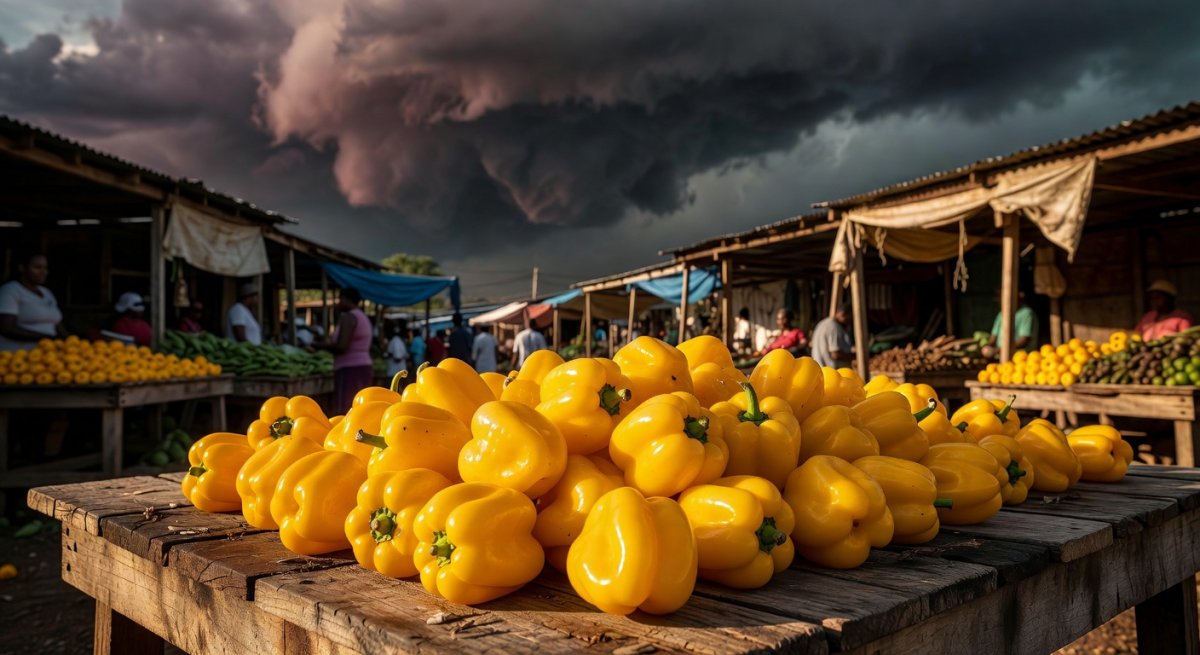
Caribbean Hot Sauce Producers Confront Severe Supply Shortages Manufacturers across Jamaica report that key chilli peppers essential for hot sauce production have become increasingly difficult to source, according to BBC News. This shortage threatens to limit output and drive up costs for a product deeply embedded in regional cuisine and now exported widely to markets including
Caribbean Hot Sauce Producers Confront Severe Supply Shortages
Manufacturers across Jamaica report that key chilli peppers essential for hot sauce production have become increasingly difficult to source, according to BBC News. This shortage threatens to limit output and drive up costs for a product deeply embedded in regional cuisine and now exported widely to markets including the United States, United Kingdom, and Australia.
Hurricane Melissa Delivers Devastating Blow to Agriculture
Last October's Hurricane Melissa, documented by the BBC as the strongest in Jamaica's history, struck the island's agricultural sector while it was still recovering from Hurricane Beryl the previous year. The BBC notes that these back-to-back storms compounded existing pressures from disease and pests, making Scotch bonnet peppers particularly scarce for sauce producers.
Manufacturers Detail Production Challenges and Price Spikes
Sean Garbutt of Associated Manufacturers, which produces Walkerswood sauces, told the BBC that the company was forced to cancel orders due to limited pepper supplies. Garbutt explained that Walkerswood exports more than 95 percent of its products, with two-thirds going to the US, including the equivalent of 500 twenty-foot cargo containers in a single year. He added that farmers shifted to hardier crops like sweet potato after Beryl, worsening the pepper shortage for their flagship Scotch Bonnet Pepper Sauce, which requires fresh peppers for its vibrant color.
Cultural Role of Scotch Bonnets Amplifies Impact of Shortages
Drew Gray of Gray's Pepper told the BBC that hot sauce remains a staple on every Jamaican table, describing it as almost an affront if absent from meals. Gray noted that his family-owned company, which exports around two-thirds of its output, saw Scotch bonnet prices rise tenfold immediately after Hurricane Melissa and increase 40 to 50 percent overall in the past two years, as reported by the BBC.
Government Support Aims to Revive Pepper Farming
Dwight Forrester of Jamaica's Rural Agricultural Development Authority informed the BBC that peppers face viruses and pests like gall midges across the Caribbean. The Jamaican government has distributed Scotch bonnet seeds to 650 growers in an effort to restore production, with the BBC highlighting that 40 percent of the country's pepper output is exported.
Similar Climate Pressures Hit Brazilian Agriculture
Brazilian farmers face parallel challenges from extreme weather that echo those affecting Jamaican pepper growers. Droughts in Minas Gerais have repeatedly damaged coffee yields, while floods in Rio Grande do Sul have submerged vast soy fields. In São Paulo, rising temperatures have accelerated the spread of diseases in citrus orchards, threatening one of the country's key export crops and underscoring how climate volatility disrupts food systems across Latin America.
Long-Term Strategies for Resilience in Export Markets
Gray told the BBC that maintaining six months of inventory helped Gray's Pepper fulfill export orders despite storm damage to its facilities. This approach, combined with the Jamaican government's seed distribution program, offers lessons for producers confronting recurring weather extremes, as the BBC coverage illustrates the broader strain on Caribbean and regional agriculture.
By Elena Vasquez, Staff WriterThis article was produced with AI-assisted research and editorial support. Reporting is based on sources cited in the article.
What's Your Reaction?
 Like
0
Like
0
 Dislike
0
Dislike
0
 Love
0
Love
0
 Funny
0
Funny
0
 Wow
0
Wow
0
 Sad
0
Sad
0
 Angry
0
Angry
0

Latin America Correspondent at Global1.News. Based in Mexico City, covering politics, economics, energy, and culture across the region. Brings an on-the-ground perspective to stories spanning from the Rio Grande to Patagonia.










Comments (0)