
Bafana Bafana Make History at FIFA World Cup Knockout Stage
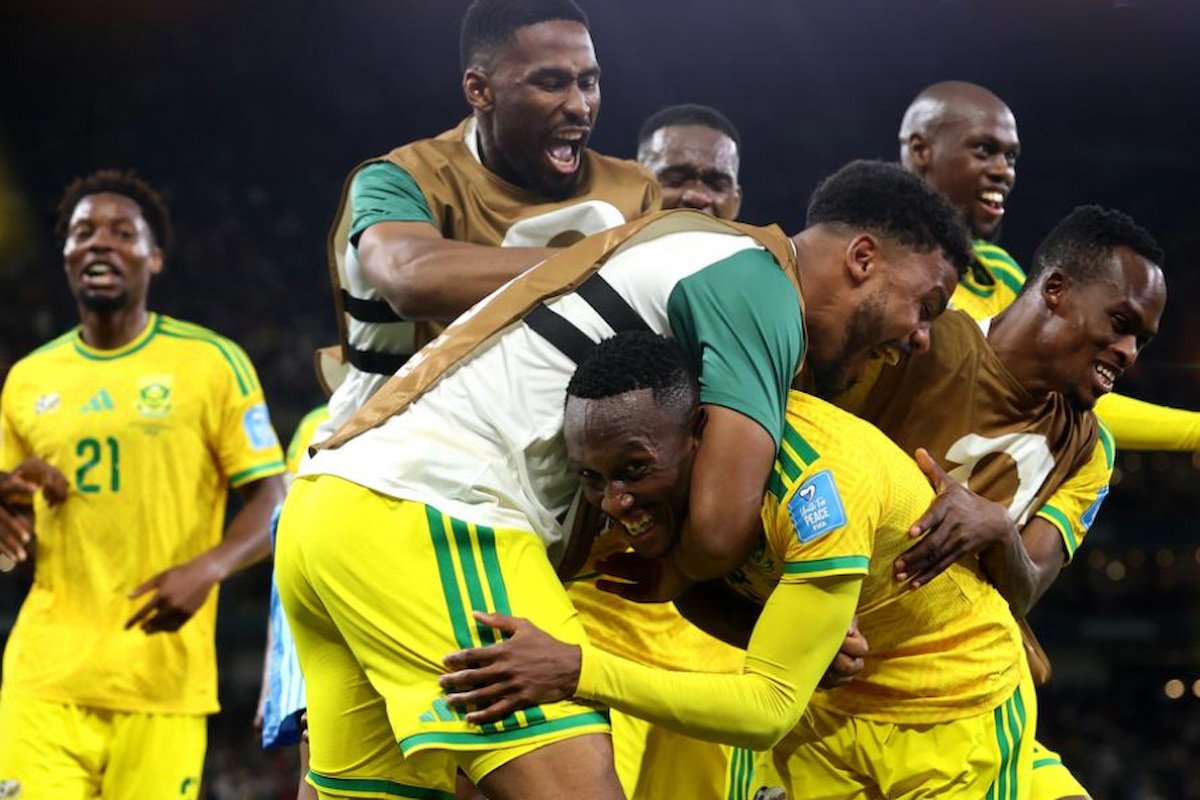
The Night Bafana Wrote History in Monterrey The early hours of Thursday morning will forever sit in the hearts of every South African who stayed awake. At 03:00 local time, with the rest of the country mostly asleep, Bafana Bafana delivered the result that changes everything. A single goal from Thapelo Maseko in the 63rd minute was enough to beat South Korea 1-0 in Monterrey an
The Night Bafana Wrote History in Monterrey
The early hours of Thursday morning will forever sit in the hearts of every South African who stayed awake. At 03:00 local time, with the rest of the country mostly asleep, Bafana Bafana delivered the result that changes everything. A single goal from Thapelo Maseko in the 63rd minute was enough to beat South Korea 1-0 in Monterrey and secure second place in Group A behind Mexico on four points. For the first time in our nation’s history, the senior men’s team has reached the knockout stage of the FIFA World Cup. The scenes in living rooms, shebeens and fan parks across the country told the story better than any statistic could. Grown men cried, children waved flags, and the old debate about whether South African football could ever compete at the highest level suddenly felt outdated.
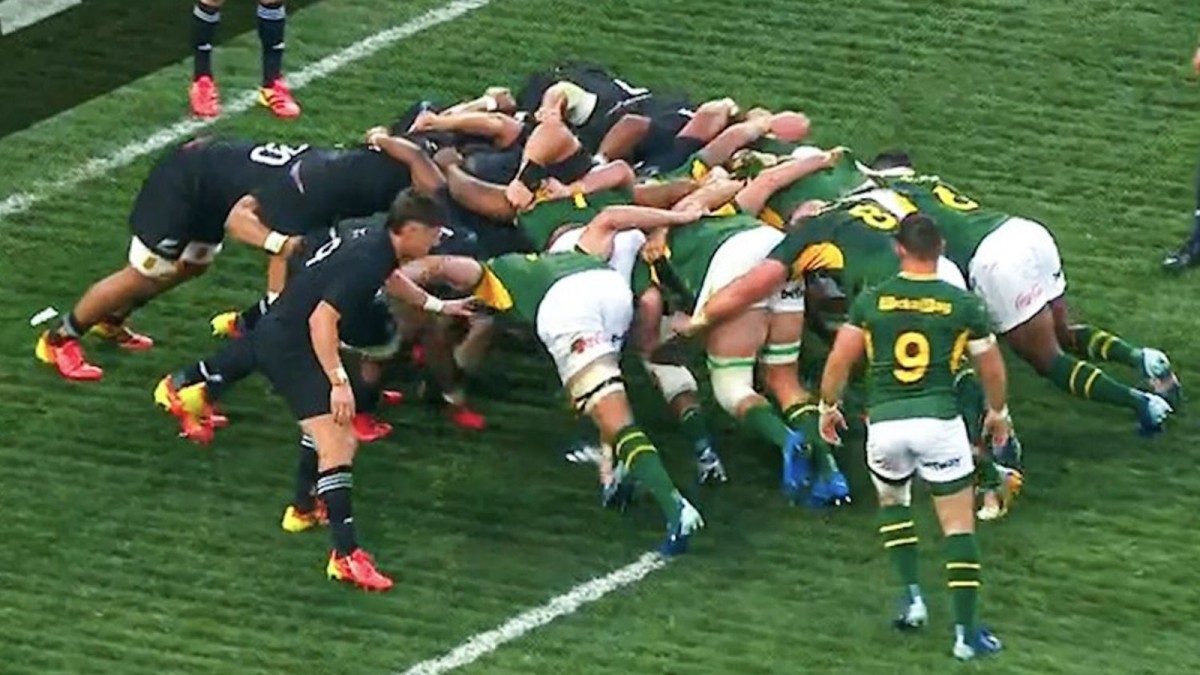
This was not a fluke or a lucky draw. The performance carried the fingerprints of careful planning and growing belief under Hugo Broos. The Belgian coach has steadily rebuilt the squad with a clear identity, and that identity shone through against South Korea. Maseko’s winner came from a moment of individual brilliance, but it was built on collective discipline that kept the defence compact for long periods. Finishing second in the group with four points places Bafana in the Round of 32, a position no previous Bafana side has ever occupied. The achievement lands at a time when South African sport needs exactly this kind of lift, connecting directly to the same spirit that carried the Springboks to Rugby World Cup glory and the Proteas through their own battles.
Hugo Broos and the Emerging Generation
Hugo Broos has never been one for empty promises. Since taking charge he has spoken plainly about the need for discipline, tactical awareness and mental strength. Those qualities were on full display in Monterrey. The squad he selected blends experienced heads with a wave of younger players who have grown up watching European leagues but still carry the fire of township football. Thapelo Maseko’s goal was the perfect symbol of that blend: a player who understands the modern game yet still plays with the fearless instinct that defines South African talent.
Broos has also been deliberate about giving opportunities to players from the domestic league alongside those based overseas. This approach mirrors the transformation goals that SARU and CSA have pursued in their own codes. The result is a team that feels genuinely representative. When the final whistle blew in Monterrey, the celebrations involved players from different backgrounds, different provinces and different football journeys all united in one moment. That unity is what South African sport has always done best when it works. Broos has created an environment where young players can express themselves without fear, and the reward is now a place in the knockout phase. The coach’s calm post-match words about staying focused for the next challenge only reinforced why the players trust him.
What Reaching the Knockout Stage Means for South Africa
Football in South Africa has long carried the weight of expectation without the consistent results to match. The 2010 FIFA World Cup gave us the stadiums and the global spotlight, yet the senior team has struggled to translate that infrastructure into sustained international success. Reaching the Round of 32 changes the conversation. It tells every young boy and girl kicking a ball on a dusty field in Soweto, Khayelitsha or Polokwane that the dream is realistic. It also puts pressure on SAFA to maintain momentum through better youth structures and clearer pathways from grassroots to the national team.
The economic and social ripple effects are real. Sponsors who have been cautious now see a team worth backing. Broadcasters will fight harder for rights. Most importantly, national pride receives a boost at a time when the country needs unifying stories. Sport has always been one of the few arenas where South Africans across racial and economic lines stand together. Bafana’s achievement joins the 1995 Rugby World Cup and the 1996 Africa Cup of Nations as moments that briefly made the whole nation feel possible. The challenge now is to turn this single historic result into lasting progress rather than another fleeting high.
Preparing for Canada at SoFi Stadium
The next chapter begins on Sunday, 28 June at 21:00 SAST when Bafana Bafana face Canada at SoFi Stadium in Inglewood, California. The co-hosts sit 30th in the FIFA rankings, more than thirty places above South Africa’s current standing. Their style is built on athleticism, high-tempo pressing and quick transitions. It will be a completely different test from the South Korea match. Canada’s squad features players comfortable in major European leagues and they will use home support and familiarity with the venue to their advantage.
Yet Bafana carry something Canada cannot manufacture: the momentum of history being made. The players know that a win sends them into the Round of 16 and a loss ends the adventure. That clarity often produces the best performances from South African teams. Hugo Broos will need to manage the emotional high of the South Korea result while preparing his side for Canada’s pace. The SoFi Stadium pitch is wide and fast, conditions that reward disciplined shape and sharp counter-attacking. South African fans will be watching from across time zones, many staying up late once again, hoping the boys in yellow and green can keep the dream alive for at least one more match.
Grassroots, Transformation and the Long Game
Every major achievement in South African sport eventually circles back to the question of development. Bafana’s breakthrough is no different. The players who stood on the pitch in Monterrey came through a system that still needs serious investment at the base. School football, amateur clubs and the ABC Motsepe League all require better coaching, facilities and scouting networks if the next generation is to produce more Masekos. SAFA’s recent focus on regional academies is a step in the right direction, but the gap between elite and grassroots remains wide.
Transformation is not just about numbers on a team sheet. It is about ensuring that talent from every corner of the country has a genuine chance. The current Bafana squad reflects progress in that regard, yet more work is needed to open doors for coaches and administrators from previously disadvantaged backgrounds. When the national team succeeds, it creates the political will and public support to push these conversations forward. The 1-0 win over South Korea should therefore be viewed as both a celebration and a call to action. If South Africa can build on this moment with serious investment in youth development, the Round of 32 appearance will mark the beginning of a new era rather than a beautiful one-off.
Tags: Bafana Bafana, FIFA World Cup, Thapelo Maseko, Hugo Broos, South Africa football, Canada, SoFi Stadium, national pride, SA sports development
By Dante Williams, Staff Writer
This article was produced with AI-assisted research and editorial support. Reporting is based on sources cited in the article.
What's Your Reaction?
 Like
0
Like
0
 Dislike
0
Dislike
0
 Love
0
Love
0
 Funny
0
Funny
0
 Wow
0
Wow
0
 Sad
0
Sad
0
 Angry
0
Angry
0

Breaking News and Investigations Correspondent at Global1.News. Based in London, covering global breaking news, security, and investigative stories. Known for digging deeper and connecting the dots across continents.











Comments (0)