
AI is taking over warfare where will humans draw the line
**Meta Description:** US military AI systems for target tracking raise questions on human roles, as global talks at UN CCW continue and Japan advances policies through MOFA, MOD, and METI aligned with Society 5.0. **Keywords:** AI warfare, lethal autonomous weapons, UN CCW, Japan MOFA, MOD policy, METI export controls, Society 5.0, semiconductor strategy, Digital Agency, human
The Rise of AI in Modern Warfare
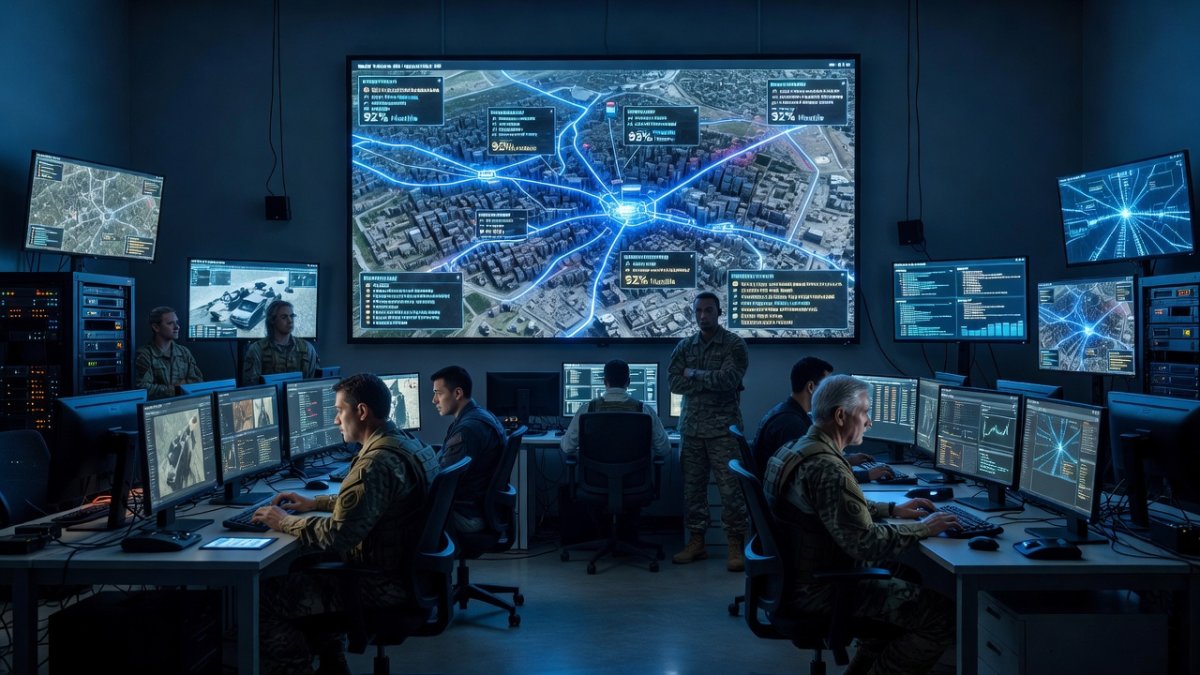
The deployment of artificial intelligence by the US military for tracking and selecting targets has introduced new layers of complexity to battlefield operations. Reports indicate that these systems are being integrated into existing command structures, where algorithms process vast amounts of sensor data to identify potential threats. This shift occurs as nations seek to maintain technological edges in contested environments, prompting analysts to examine how such tools alter traditional decision-making chains.
Observers note that AI capabilities allow for faster analysis of imagery and signals intelligence compared to human-only teams. However, the technology remains dependent on human operators for final authorization in most documented cases. Discussions among defense experts highlight the balance between speed and accountability, especially when systems operate across dispersed networks that connect forward units with rear headquarters.
International observers have begun tracking how these developments influence procurement decisions in allied countries. The emphasis on data fusion from multiple sources creates opportunities for improved situational awareness, yet it also raises concerns about system reliability under electronic warfare conditions. Think tanks focused on security studies continue to publish assessments that connect these trends to broader changes in force posture.
Analysts from various research institutions emphasize that current AI applications in targeting remain assistive rather than fully independent. Training data quality and sensor limitations continue to shape performance boundaries. As integration deepens, military planners are evaluating how to maintain clear lines of responsibility when algorithms contribute to engagement decisions.
These advancements coincide with ongoing efforts to standardize data protocols across different service branches. The result is a gradual evolution in how information flows from collection to action, with AI serving as an intermediary layer that filters and prioritizes inputs for human review.
Human Oversight in AI-Driven Targeting
Military doctrines across several nations continue to stress the requirement for human judgment in lethal decisions, even as AI tools handle initial detection and classification tasks. This approach reflects longstanding legal and ethical frameworks that assign accountability to commanders rather than machines. Training programs are being updated to ensure personnel understand both the capabilities and constraints of algorithmic assistance.
Operational testing has revealed scenarios where AI recommendations diverge from human assessments based on contextual factors not captured in sensor feeds. Such discrepancies underscore the continued importance of experienced operators who can override automated suggestions when necessary. Defense organizations are therefore investing in interfaces that present AI outputs in transparent formats to support rapid yet informed review.
Policy documents from multiple countries stress that AI systems should function as decision-support tools rather than autonomous agents in lethal operations. This distinction helps preserve compliance with international humanitarian law requirements for distinction and proportionality. Regular audits of system performance are recommended to identify drift or bias that could affect targeting accuracy over time.
Collaboration between technical developers and operational units has increased to refine how confidence scores from AI models are communicated to users. These efforts aim to prevent over-reliance on algorithmic outputs during high-tempo engagements. Simulation exercises now routinely include degraded conditions to test human-AI team resilience.
Academic studies on cognitive load indicate that operators benefit from clear escalation protocols when AI confidence falls below established thresholds. Such measures help maintain effective oversight without creating bottlenecks that negate the speed advantages of automated processing.
Global Discussions at the UN CCW
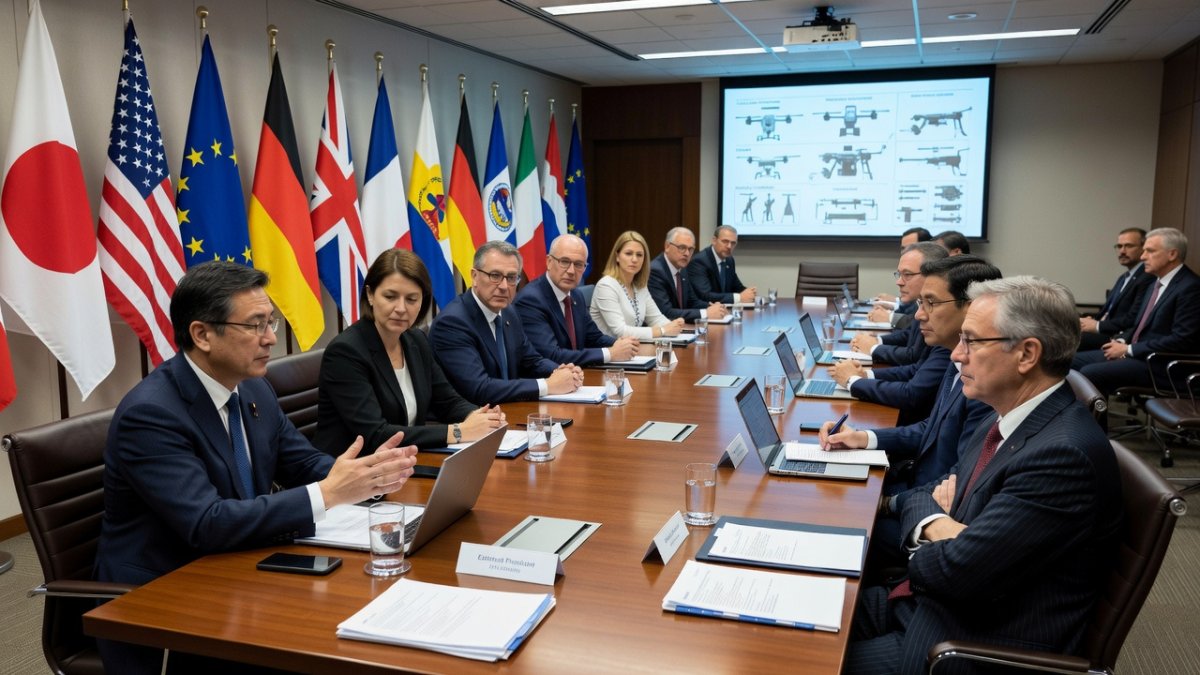
Meetings under the United Nations Convention on Certain Conventional Weapons have provided a forum for states to exchange views on emerging technologies in the area of lethal autonomous weapons systems. Participants have presented national perspectives on the appropriate level of human control required during targeting cycles. These exchanges occur against a backdrop of rapid technological change that challenges existing treaty interpretations.
Delegations have highlighted the difficulty of reaching consensus on definitions that distinguish between different degrees of autonomy. Some states advocate for preemptive prohibitions, while others prefer continued dialogue to accommodate future innovations. Working papers submitted to the group explore technical verification methods that could support future agreements.
Non-governmental organizations participating as observers have contributed analyses of dual-use risks associated with commercial AI advancements. Their contributions often focus on transparency measures that could build confidence among states considering new constraints. The process remains incremental, with sessions scheduled throughout the coming years.
Regional groupings have begun coordinating positions ahead of formal negotiations, recognizing that technological leadership in AI may confer strategic advantages. This dynamic adds complexity to efforts aimed at establishing common standards. Documentation from recent sessions shows continued emphasis on the need for further expert input from both technical and legal communities.
Follow-up meetings are expected to examine case studies from ongoing conflicts where AI-assisted systems have been employed. Such evidence could inform future recommendations on best practices for maintaining meaningful human control.
Japan's Position on Lethal Autonomous Weapons Systems
Japan's Ministry of Foreign Affairs has consistently articulated support for maintaining human control over lethal decisions in statements delivered at multilateral forums. This stance aligns with broader diplomatic efforts to promote responsible innovation in defense technologies. MOFA representatives have emphasized the importance of international norms that prevent unintended escalation risks associated with fully autonomous systems.
The Ministry of Defense has issued policy papers that outline requirements for human oversight in any future adoption of AI-enabled targeting tools. These documents stress compatibility with existing rules of engagement and international humanitarian law. MOD assessments also address the need for robust testing regimes before operational deployment of new capabilities.
METI maintains export controls on dual-use AI technologies that could contribute to autonomous weapons development. Licensing procedures require applicants to demonstrate end-use compliance with Japan's non-proliferation commitments. These measures reflect coordinated inter-agency efforts to balance industrial competitiveness with security considerations.
Coordination between MOFA, MOD, and METI ensures that Japan's semiconductor strategy supports both civilian and defense applications while adhering to ethical guidelines. This integrated approach helps prevent technology leakage that could undermine international stability. Regular inter-ministerial reviews assess emerging risks from commercial AI advancements.
Japan's participation in UN CCW discussions has included proposals for greater transparency in national AI defense programs. These contributions aim to foster mutual understanding among states developing similar capabilities. Ongoing policy refinement continues to draw on input from academic and industry stakeholders.
Integration with Japan's Digital and Semiconductor Strategies
Japan's semiconductor strategy seeks to secure resilient supply chains for advanced chips that underpin both civilian Digital Agency initiatives and potential defense applications. Government support for domestic fabrication capacity aims to reduce external dependencies while maintaining high standards for performance and security. These efforts intersect with broader goals of technological sovereignty in critical sectors.
The Digital Agency coordinates standards for data governance that could extend to military AI systems, ensuring interoperability with civilian infrastructure developed under Society 5.0 frameworks. This alignment facilitates dual-use research while preserving clear boundaries between commercial and defense domains. Pilot projects explore secure data-sharing mechanisms that protect sensitive information.
Collaboration between public research institutions and private semiconductor firms focuses on energy-efficient processors suitable for edge computing in contested environments. Such hardware advancements support real-time AI analysis without excessive power demands. METI funding programs prioritize technologies that meet both economic and national security criteria.
Policy alignment across ministries helps Japan participate effectively in international standards-setting bodies addressing AI safety. These activities complement domestic regulatory updates that address export licensing for sensitive components. The overall approach emphasizes incremental capability development rather than rapid deployment of untested systems.
Long-term planning documents connect semiconductor investments to future requirements for trustworthy AI in public sector applications, including defense. This forward-looking perspective supports sustained funding for foundational research that benefits multiple domains.
What to Watch For
Upcoming sessions at the UN CCW are expected to feature updated national reports on AI governance practices. Observers will monitor whether additional states introduce new proposals for verification mechanisms. The pace of technological change suggests that discussions will need to remain flexible to accommodate emerging capabilities.
Japan's METI continues to refine export control lists in response to evolving dual-use AI applications. Industry stakeholders are advised to track licensing guidance that may affect collaborative research projects. Updates from MOFA on multilateral engagement will provide further clarity on diplomatic priorities.
Developments in Japan's semiconductor ecosystem, including new fabrication facilities supported by government initiatives, may influence the availability of components for advanced defense systems. The Digital Agency's progress on data standards could also shape how AI tools are integrated across government functions.
Analysts recommend attention to joint exercises involving allied forces that test AI-assisted targeting under realistic conditions. Outcomes from these activities may inform future policy adjustments at both national and international levels. Continued engagement with think tanks will help surface emerging risks and mitigation strategies.
Monitoring of MOD policy paper revisions will reveal how Japan adapts its oversight requirements in light of allied technology adoption. These documents often serve as indicators of shifting operational concepts within the defense establishment.
Implications for Society 5.0 and Beyond
Japan's Society 5.0 vision integrates advanced technologies across economic and social domains, creating potential synergies with defense applications of AI. Careful boundary management ensures that civilian infrastructure developments do not inadvertently accelerate autonomous weapons proliferation. Cross-sector dialogues help identify shared challenges in AI reliability and accountability.
Research institutions are examining how lessons from commercial AI deployment can inform military oversight practices. This knowledge exchange supports more robust testing methodologies that account for real-world variability. The semiconductor strategy provides foundational hardware that enables both economic growth and secure defense capabilities.
International partnerships in technology development offer avenues for aligning standards on human control requirements. Japan's participation in these forums reinforces its commitment to responsible innovation. Ongoing assessments will determine how future AI advancements fit within established ethical and legal parameters.
Policy continuity across administrations helps maintain consistent positions on lethal autonomous weapons at the UN CCW. This stability supports long-term planning for both industry and defense communities. The interplay between domestic strategies and global norms will shape Japan's technological trajectory in the coming decade.
Stakeholders across government and industry are encouraged to participate in public consultations on AI governance. Such engagement helps ensure that diverse perspectives inform the evolution of oversight frameworks aligned with Society 5.0 objectives.
By Kenji Tanaka, Staff Writer
This article was produced with AI-assisted research and editorial support. Reporting is based on sources cited in the article.
What's Your Reaction?
 Like
0
Like
0
 Dislike
0
Dislike
0
 Love
0
Love
0
 Funny
0
Funny
0
 Wow
0
Wow
0
 Sad
0
Sad
0
 Angry
0
Angry
0

Japan Correspondent at Global1.News. Tokyo-based voice covering Japanese politics, technology, economy, and culture. Tracks the intersection of tradition and innovation in one of the world's most dynamic societies.















Comments (0)