
Viral PhilHealth Case Exposes Insurance System Flaws — Party-List Calls for Reform
The Heartbreaking Loss That Shook a Family In the quiet moments after a loved one passes, families across the Philippines often turn to one another for comfort, drawing on the bayanihan spirit that has long bound our communities together. For Maria Lourdes Sulit, that comfort came too late when her husband Marvin died from a brain hematoma. The couple faced an impossible choice
The Heartbreaking Loss That Shook a Family
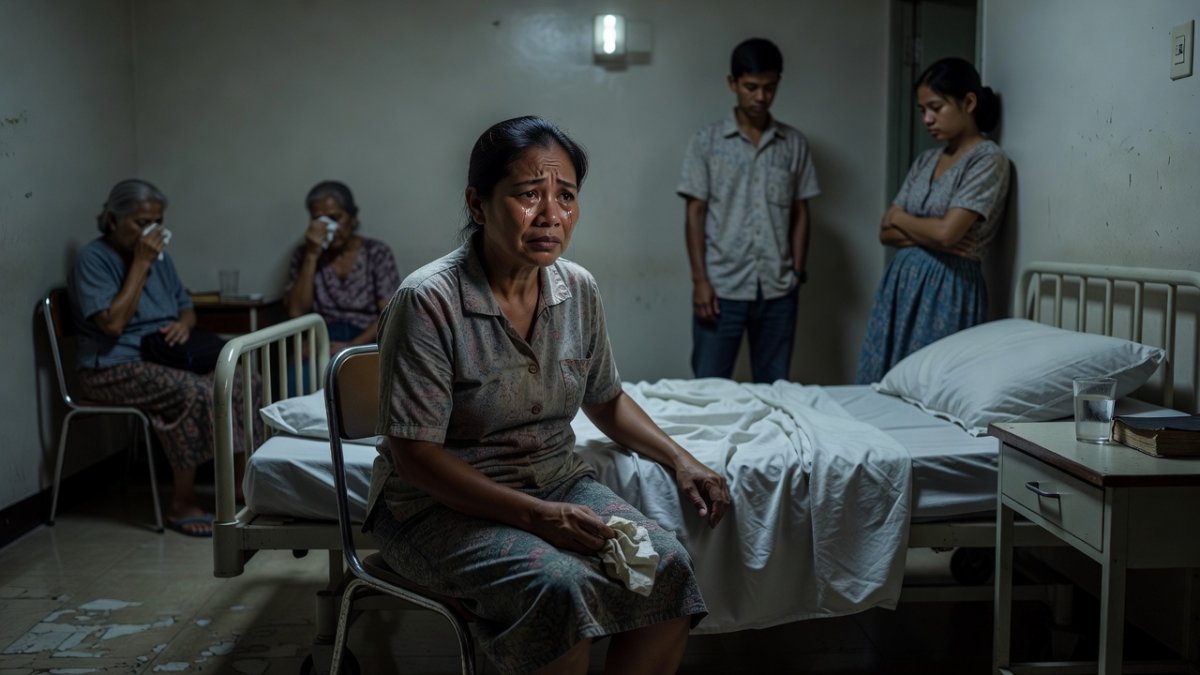
In the quiet moments after a loved one passes, families across the Philippines often turn to one another for comfort, drawing on the bayanihan spirit that has long bound our communities together. For Maria Lourdes Sulit, that comfort came too late when her husband Marvin died from a brain hematoma. The couple faced an impossible choice when doctors said surgery could cost between two million and four million pesos, an amount far beyond their reach. Maria Lourdes shared her pain in a Facebook post that quickly spread, reminding many of us how fragile life can feel when medical help stays just out of reach.
Marvin had been a hardworking man whose family counted on PhilHealth coverage built from more than twenty-five years of salary deductions. Yet when the moment of need arrived, the system offered no lifeline. Maria Lourdes watched her husband slip away, then faced an added burden when the hospital bill reached two hundred thousand pesos and her appeal for assistance was turned down because Marvin had been admitted for less than twenty-four hours. Her words echo the quiet despair felt in countless households: how could her husband be denied help after he had already passed?
A Story That Spread Through Barangays and Beyond
News of the Sulit family traveled fast through social media and into the conversations of neighbors in sari-sari stores and along jeepney routes. What began as one woman’s post became a mirror for the struggles many ordinary Filipinos know too well. Gabriela Women’s Party Representative Sarah Elago spoke on June fifteenth about how this tragedy reveals deeper cracks in our health care system, especially the way insufficient government funding for public hospitals leaves everyday citizens bearing the heaviest load.
Communities from Manila to the provinces understand that health concerns do not wait for perfect paperwork. When a family loses its breadwinner, the ripple reaches children in school, tricycle drivers who lose a regular passenger, and kapitbahay who step in with whatever little they can spare. The Sulit case brought these realities into sharp focus, showing how one denied claim can unravel years of quiet sacrifice.
PhilHealth Packages and the Gaps That Remain
PhilHealth Senior Vice President Israel Paragas noted that packages exist for members who pass away in less than twenty-four hours or within two days, with possible assistance ranging from seventy-three thousand to one hundred eight thousand pesos if surgery had taken place. He suggested that hospitals sometimes overlook these options because staff may not be fully familiar with every available benefit. Still, the agency could not cover the full two hundred thousand peso bill, leaving the family to face costs they never expected.
These details matter because they touch real people who have paid into the system faithfully. Many families assume their contributions will stand ready during emergencies, yet the insurance model often falls short when hospital processes or eligibility rules create unexpected barriers. The result is added sorrow at a time when grief already weighs heavily on the heart.
Gabriela Women’s Party Pushes for Public Service Over Insurance
Representative Elago and the Gabriela Women’s Party have long argued that an insurance-based approach through PhilHealth cannot guarantee the accessible, quality care every Filipino deserves. They call instead for a system grounded in direct public service and stronger public funding for hospitals. As Elago stated, more than twenty-five years of deductions should not end with benefits that remain unavailable when tragedy strikes.
This position connects directly to the daily lives of workers, farmers, and overseas Filipino workers who send remittances home in the hope of better futures. Lawmakers in Congress and the Senate have heard similar appeals before, yet the gap between contributions and actual support continues to affect families who turn first to public facilities in their time of need. The party-list group stresses that strengthening government hospitals would prevent stories like the Sulits’ from repeating across our barangays.
What This Means for Families Who Rely on PhilHealth
Across the country, millions of households look to PhilHealth as a safety net during illness or loss. When that net develops holes, the impact lands hardest on those with the least resources: jeepney drivers whose daily earnings barely cover household needs, students whose parents can no longer afford school fees after a medical crisis, and elderly relatives whose care falls to already stretched relatives. The Sulit tragedy reminds us that health care is not just a policy issue but a deeply personal one that shapes whether families can stay together and move forward.
Local government units and barangay captains often witness these struggles up close, stepping in with limited resources when national systems fall short. The story of Marvin and Maria Lourdes shows how one family’s experience can highlight the need for reforms that place public welfare at the center rather than relying solely on insurance mechanisms that sometimes leave people behind.
Honoring Bayanihan in the Search for Lasting Solutions
Filipinos have always found strength in coming together, whether during fiestas or in quiet acts of neighborly support. The call from Gabriela Women’s Party for a health care system built on sufficient public funding reflects that same spirit, asking government to invest directly in hospitals so that no family must choose between life-saving care and financial ruin. Such an approach would honor the contributions of workers like Marvin who paid into the system for decades.
As communities continue to discuss the lessons from this case, the focus remains on protecting the most vulnerable among us. Real change would mean fewer appeals denied at the worst possible moments and more families able to focus on healing rather than paperwork. The memory of Marvin Sulit and the courage of Maria Lourdes in sharing their story serve as a reminder that our shared future depends on building systems that truly serve every Filipino household.
By Bella Reyes, Staff WriterThis article was produced with AI-assisted research and editorial support. Reporting is based on sources cited in the article.
What's Your Reaction?
 Like
0
Like
0
 Dislike
0
Dislike
0
 Love
0
Love
0
 Funny
0
Funny
0
 Wow
0
Wow
0
 Sad
0
Sad
0
 Angry
0
Angry
0

Philippines/Southeast Asia Correspondent at Global1.News. Manila-based journalist covering Philippine politics, environment, maritime security, and social issues. Passionate about marine conservation and the communities protecting the Philippines' natural heritage.












Comments (0)