
Venezuela-Trinidad Oil Spill Dispute Threatens Gulf of Paria
Venezuela and Trinidad and Tobago Oil Spill Dispute Threatens Shared Gulf of Paria Future The waters of the Gulf of Paria have long been a shared space between Trinidad and Tobago and Venezuela — a stretch of sea that has carried fishing boats, energy tankers, and the hopes of coastal communities on both sides. Right now, those waters have become the centre of a diplomatic disp
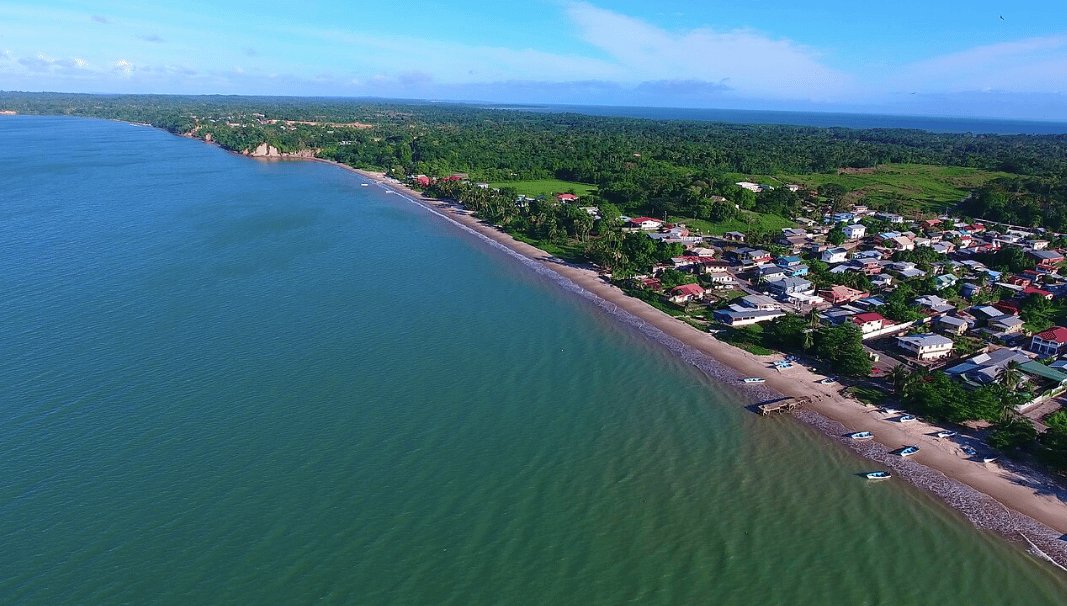
The waters of the Gulf of Paria have long been a shared space between Trinidad and Tobago and Venezuela — a stretch of sea that has carried fishing boats, energy tankers, and the hopes of coastal communities on both sides. Right now, those waters have become the centre of a diplomatic dispute that threatens to strain relations between the two neighbours. Venezuela's Foreign Minister Yvan Gil has formally demanded information and compensation from Trinidad and Tobago over a May 1 oil spill that Caracas says originated in Trinidadian waters, warning of serious environmental damage to the Gulf's delicate ecosystems. Port of Spain, however, disputes that characterisation, describing the incident as a minor 10-barrel spill at Heritage Petroleum's Main Soldado field that was contained within 48 hours. The disagreement over scale and responsibility has now escalated, with Venezuela claiming on June 12 that satellite imagery has confirmed a second, even larger spill from Trinidad and Tobago's waters.
For the fishing communities scattered along both coastlines, this is not an abstract diplomatic squabble. The Gulf of Paria supports hundreds of artisanal fishermen who depend on its waters daily. In communities like Cedros in south-west Trinidad, or the fishing villages on the Paria Peninsula in Venezuela, the prospect of oil contamination threatens not just marine life but entire livelihoods that have been passed down through generations. The stakes could not be higher for ordinary people who do not have the luxury of waiting for diplomatic channels to resolve complex questions of international maritime responsibility.
This article examines what we know about the May 1 incident, the allegations of a second spill, the responses from both governments, the disputed science over the scale of environmental damage, and what this means for the wider Caribbean region — where shared maritime resources and cross-border energy fields make neighbourly relations both essential and complicated.
What Happened on May 1
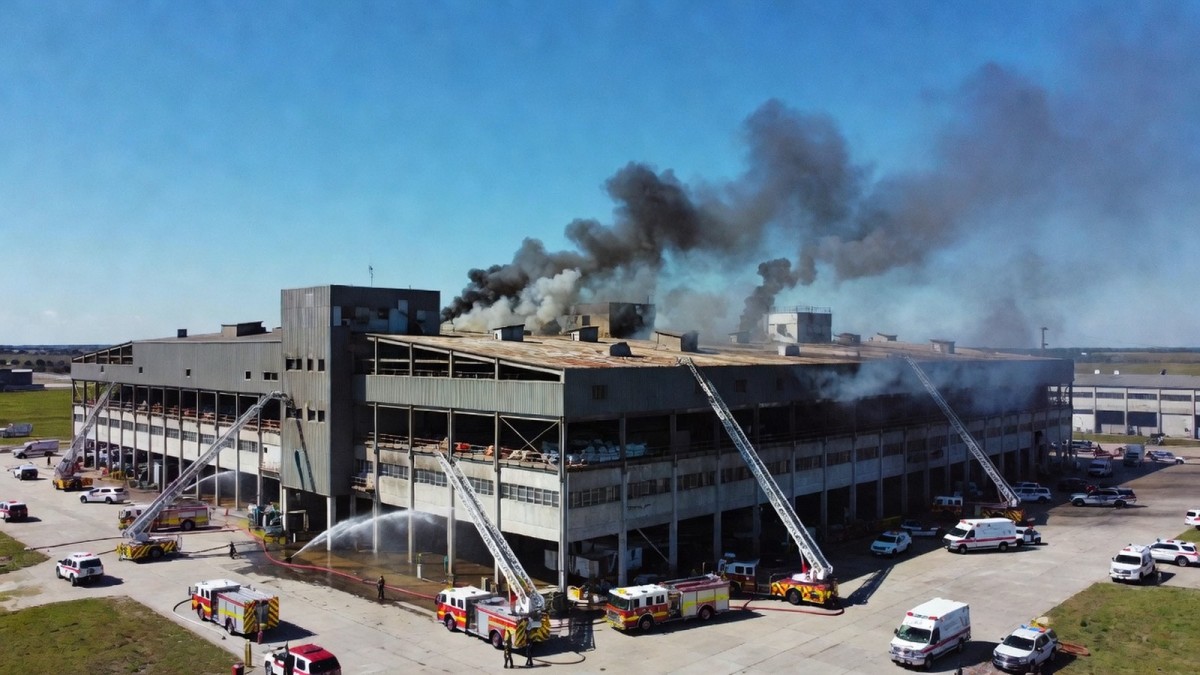
The May 1 incident began at Heritage Petroleum's Main Soldado field, where a pipeline failure released a reported 10 barrels of crude into the surrounding waters. Trinidad and Tobago officials moved swiftly, with the Ministry of Energy, Heritage Petroleum and the T&T Air Guard launching a joint operation to locate the source and contain the release. Energy Minister Roodal Moonilal confirmed that the spill was dealt with within 48 hours and that repairs to the affected pipeline were already under way.
Despite the rapid response, the event immediately drew attention from across the Gulf. Trinidad and Tobago produces around 52,000 barrels per day of crude oil and 2.59 billion cubic feet per day of natural gas as of the first quarter of 2026, making any offshore incident a matter of national significance. The country remains one of the Caribbean's leading energy producers with extensive offshore operations that have operated for decades in these shared waters.
Local communities in south-west Trinidad watched the response closely. Fishermen in Cedros noted the quick deployment of containment booms, yet questions lingered about long-term effects on marine life even after the official all-clear. The government's description of the event as minor stood in contrast to the scale of operations required to monitor and repair the pipeline.
Trinidad and Tobago's Foreign Affairs Minister Sean Sobers engaged the Venezuelan Embassy in Port of Spain to share details of the containment effort. This early diplomatic contact aimed to prevent misunderstandings, though Caracas later expressed dissatisfaction with the information provided.
Venezuela's Satellite Claim — A Second Spill?
On June 12, Venezuela announced that satellite imagery had confirmed a second, larger oil spill originating from Trinidad and Tobago's waters. The Venezuelan Foreign Ministry warned of the drift of pollutants toward Venezuelan waters, with risks to marine ecosystems, fishing activities and coastal communities. Foreign Minister Yvan Gil formally demanded information and compensation, stating that the new release surpassed the May incident in magnitude.
Caracas claimed the initial May spill had already affected approximately 647 square miles, equivalent to 1,625 square kilometres, damaging four national parks, 12 strategic wetland systems, 140 marine species and the livelihoods of 500 artisanal fishermen. The second spill allegation intensified these concerns and prompted Venezuela to reserve the right to pursue action before international bodies for compensation.
Trinidad and Tobago rejected the satellite evidence as unverified. Energy Minister Roodal Moonilal stated that his ministry had requested coordinates from Venezuelan counterparts for the purported spill so that a proper assessment could be conducted. Without those coordinates, Port of Spain maintained that no second incident had been confirmed within its jurisdiction.
The exchange highlighted differing approaches to monitoring shared waters. While Venezuela relied on satellite data, Trinidad and Tobago emphasised on-site verification through its air guard and energy operators. This divergence has prolonged the diplomatic tension.
The Gulf of Paria: Shared Waters, Divergent Accounts
The Gulf of Paria has served as a corridor for fishing boats and energy tankers for generations, linking coastal communities in both nations. Its ecosystems support diverse marine life that sustains artisanal fishing on both sides of the maritime boundary. The current dispute underscores how a single incident can affect this delicate balance.
Trinidad and Tobago described the May 1 event as fully contained, yet Venezuela's Foreign Minister Yvan Gil insisted that pollutants had crossed into Venezuelan territory. The 10-barrel figure cited by Port of Spain stands against Caracas's assessment of widespread damage across 1,625 square kilometres. These contrasting narratives reflect deeper differences in how each side measures environmental impact.
Communities such as those on the Paria Peninsula in Venezuela and Cedros in Trinidad share similar concerns about contaminated catches and restricted fishing zones. The Gulf's history as a shared resource makes cooperation essential, yet the present disagreement has limited joint environmental assessments.
Regional observers note that such incidents test the resilience of bilateral mechanisms established over decades of energy cooperation. Both nations continue to rely on the Gulf for economic activity, making swift resolution important for long-term stability.
Dr Einstein Millán Arcia Challenges the 10-Barrel Narrative
Venezuelan energy consultant Dr Einstein Millán Arcia has publicly disputed Trinidad and Tobago's characterisation of the May 1 spill as limited to 10 barrels. His analysis suggests that the volume and spread may have been greater than officially reported, aligning with Venezuela's broader claims of ecosystem damage.
Dr Millán Arcia's intervention added technical weight to Caracas's position. He questioned the containment timeline and the methods used to calculate the release at Heritage Petroleum's Main Soldado field. Such expert commentary has kept the scientific debate alive beyond official government statements.
Trinidad and Tobago officials have not directly responded to Dr Millán Arcia's specific findings. Instead, they continue to point to the joint operation involving the Ministry of Energy, Heritage Petroleum and the T&T Air Guard as evidence that the incident was managed effectively within 48 hours.
The consultant's critique illustrates how independent voices can influence public perception during cross-border environmental disputes. His statements have been cited in Venezuelan media as further justification for demanding compensation and clearer data sharing.
Cross-Border Energy: The Loran-Manatee Factor
The Loran-Manatee cross-border field, with its estimated 10.3 trillion cubic feet of gas reserves, lies at the heart of energy relations between the two countries. Venezuela holds 73.75 percent of these reserves, while Trinidad and Tobago controls the remainder. Any environmental incident in the Gulf therefore carries implications for future development of this shared resource.
Trinidad and Tobago's offshore operations, which produced 52,000 barrels per day of crude and 2.59 billion cubic feet per day of natural gas in the first quarter of 2026, depend on stable relations with Venezuela. The current spill dispute risks complicating negotiations over joint fields like Loran-Manatee that require coordinated infrastructure and environmental safeguards.
Both nations have historically managed cross-border energy projects through bilateral agreements. The present disagreement over spill responsibility tests the durability of these frameworks and may delay planned investments in the Gulf.
Energy analysts emphasise that unresolved environmental concerns could affect investor confidence in the region. Clear protocols for spill reporting and compensation remain essential if the Loran-Manatee field is to reach its full potential.
What This Means for Caribbean Regional Relations
The dispute has drawn attention from other Caribbean states that share maritime boundaries with larger neighbours. Trinidad and Tobago's position as a leading energy producer gives it influence, yet the need to maintain good relations with Venezuela remains vital for regional stability.
Foreign Affairs Minister Sean Sobers' engagement with the Venezuelan Embassy in Port of Spain represents an attempt to keep channels open. However, Venezuela's formal demand for compensation and its reservation of rights to pursue international action signal that the matter may extend beyond bilateral talks.
Shared ecosystems like the Gulf of Paria require coordinated monitoring. The differing accounts of the May 1 and alleged June 12 incidents highlight gaps in real-time data exchange that could be addressed through enhanced regional mechanisms.
Caribbean Community members have watched the developments with interest, recognising that similar cross-border challenges may arise elsewhere. Constructive dialogue between Port of Spain and Caracas could set a precedent for handling future environmental incidents.
Looking Ahead: International Arbitration and Local Livelihoods
Venezuela has indicated it may seek redress through international bodies if Trinidad and Tobago does not provide satisfactory information and compensation. Such a step would elevate the dispute beyond the Gulf and involve wider legal considerations of maritime responsibility.
For fishing communities in Cedros and along the Paria Peninsula, the outcome matters immediately. Five hundred artisanal fishermen in Venezuela alone have already been cited as potentially affected, and any prolonged uncertainty threatens their daily income and food security.
Trinidad and Tobago continues to request specific coordinates for the alleged second spill to enable verification. Until those details are shared, the scientific and diplomatic impasse is likely to persist, affecting both environmental assessments and community confidence.
Resolution will require transparent data sharing and perhaps joint environmental surveys. The Gulf of Paria has sustained generations of coastal families; preserving its health depends on neighbours finding common ground on accountability and protection measures.
By Sharon Sahatoo, Staff WriterThis article was produced with AI-assisted research and editorial support. Reporting is based on sources cited in the article.
What's Your Reaction?
 Like
0
Like
0
 Dislike
0
Dislike
0
 Love
0
Love
0
 Funny
0
Funny
0
 Wow
0
Wow
0
 Sad
0
Sad
0
 Angry
0
Angry
0

Caribbean Correspondent at Global1.News. Based in Port of Spain, Trinidad, covering Caribbean politics, economy, energy, climate, and culture. Amplifying the voices and stories of the Caribbean region.









Comments (0)