
CBSE Revised Marksheets Coming Soon; Check Steps Students Must Take
The Central Board of Secondary Education has announced that revised physical marksheets for Class 12 students will be issued shortly, following changes arising from verification and re-evaluation processes conducted in 2026. This development comes at a critical juncture for thousands of students navigating college admissions across India, where even minor mark adjustments can d
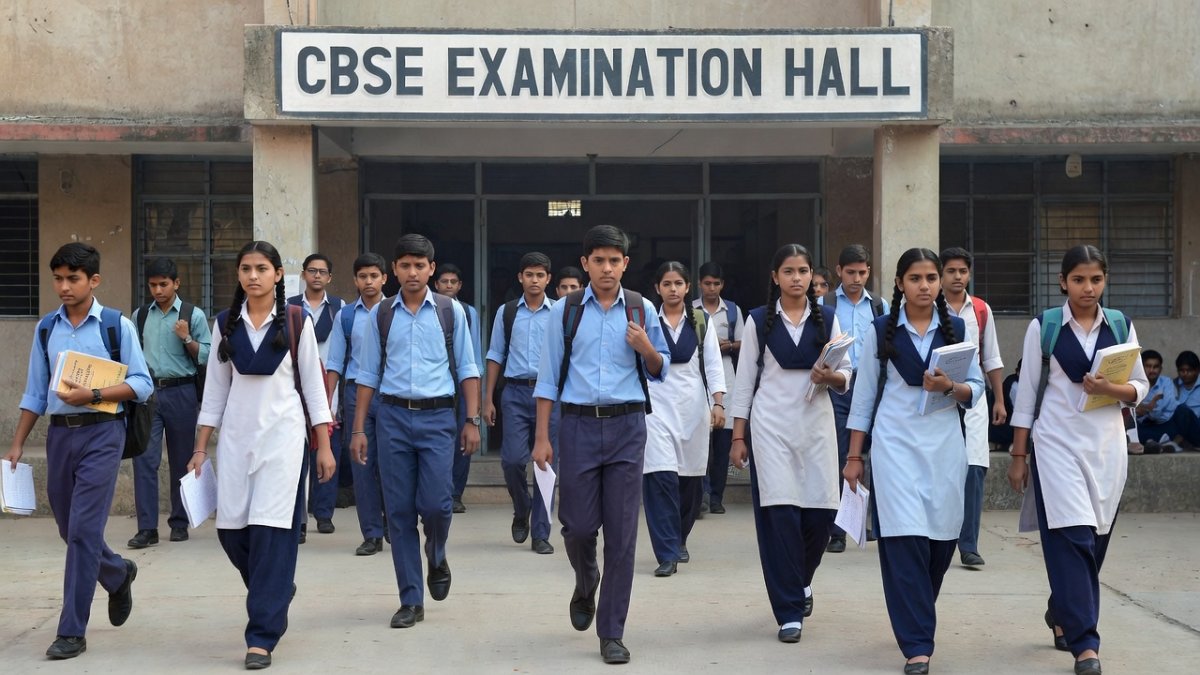
The Central Board of Secondary Education has announced that revised physical marksheets for Class 12 students will be issued shortly, following changes arising from verification and re-evaluation processes conducted in 2026. This development comes at a critical juncture for thousands of students navigating college admissions across India, where even minor mark adjustments can determine eligibility for competitive programmes.
(Global 1 News)
Timeline of the Re-evaluation Process
The CBSE re-evaluation portal opened on June 1, 2026, after initial delays linked to technical concerns. Results from verification and re-evaluation were released in phases beginning June 21, 2026, allowing students to track updates through official channels. These phased releases were designed to manage the high volume of requests while maintaining procedural integrity across CBSE's network of over 27,000 schools in India and 240 schools in 28 foreign countries.
Students affected by these changes must now prepare for the next administrative step before receiving updated documents. The Ministry of Education has emphasised adherence to deadlines to avoid further disruptions in the admission cycle. This timeline aligns with the release of Class 12 results in May 2026, highlighting the compressed schedule that characterises India's annual examination calendar.
Scale of Applications and Mark Changes
Over 1.6 lakh students applied for re-evaluation of their Class 12 results in 2026, reflecting widespread anxiety over initial scores. Out of these applicants, only 87 students recorded actual changes in marks after the re-evaluation process concluded. Such low success rates underscore the rigorous standards applied by CBSE examiners and the limited scope for upward revision in most cases.
These figures provide a data-driven view of the verification system's selectivity. The introduction of physical answer book inspection as a new transparency measure allowed students greater insight into evaluation criteria. This step marks a shift toward accountability in a system that processes results for millions of candidates each year.
Procedures for Obtaining Revised Marksheets
Students whose marks have been revised must first surrender their original marksheets to CBSE before the board issues updated physical copies. This requirement ensures that no duplicate or conflicting documents circulate during the admission season. The process involves submitting requests through designated regional offices, with clear instructions provided on the official CBSE portal.
Fees for verification and re-evaluation per subject were collected at the application stage, adding to the financial burden on families. Parents and students in states such as Uttar Pradesh and Maharashtra have reported challenges in coordinating these submissions amid ongoing counselling rounds. Clear communication from CBSE remains essential to prevent administrative errors that could delay document delivery.
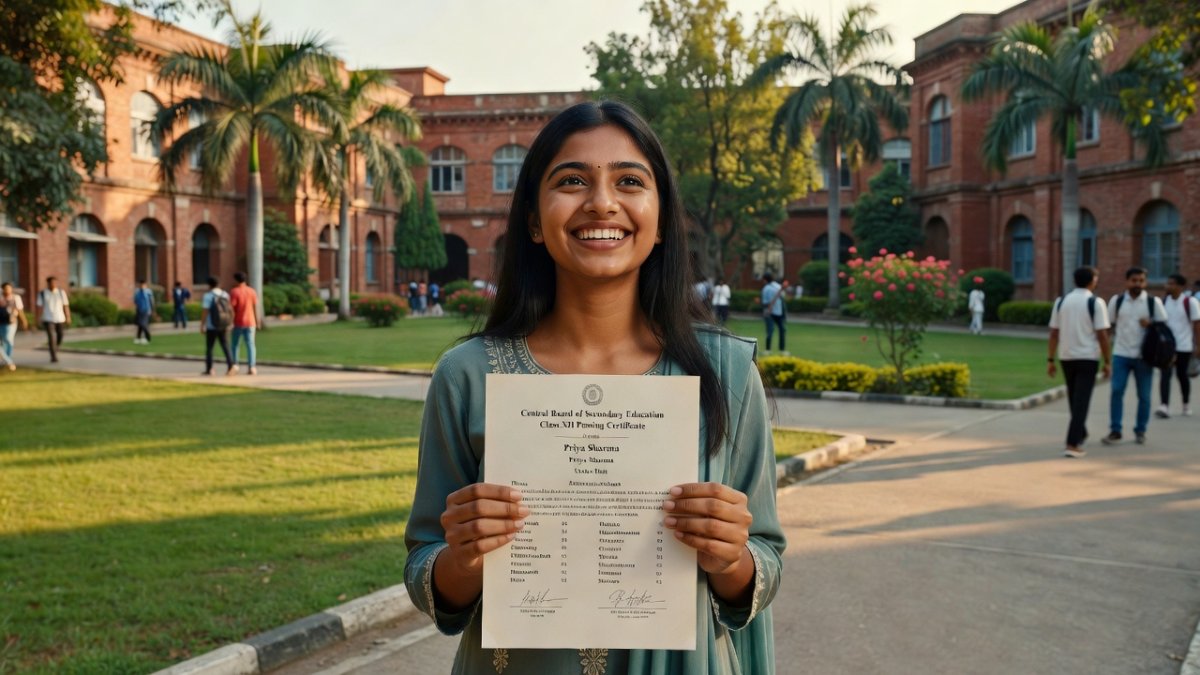
(Global 1 News)
Implications for JEE Advanced and NEET Admissions
Revised marks directly influence eligibility for national-level entrance examinations, where JEE Advanced mandates a minimum of 75 percent in Class 12 or placement in the top 20 percentile. Similarly, NEET requires a 50 percent aggregate for general category candidates. Delays in receiving updated marksheets have created uncertainty for students participating in JoSAA and CSAB counselling sessions across the country.
Many aspirants from cities like Delhi, Bengaluru, and Hyderabad now face risks to college seats, scholarships, and even overseas university applications. The pressure-cooker environment of Indian education amplifies these stakes, as families invest heavily in coaching and preparation with expectations of precise outcomes. Policy analysts note that such procedural lags can disproportionately affect students from smaller towns with limited access to real-time updates.
Transparency Measures and Recent CBSE Reforms
The allowance of physical answer book inspection represents a notable step toward greater openness in the evaluation framework. This measure responds to long-standing demands from student bodies and education activists for visibility into marking schemes. By permitting inspection, CBSE aims to build trust in a process that handles results for a vast student population each academic year.
Separately, CBSE has announced it will cease tracking mouse movements and keystrokes of employees following an internal data leak incident. While unrelated to student records, this decision reflects broader efforts to strengthen data governance within the board. Such reforms occur against the backdrop of increasing digitalisation in India's education sector, where secure handling of sensitive information is paramount.
Broader Impact on Indian Education Policy
The current episode highlights systemic pressures within India's examination and admission ecosystem, where re-evaluation outcomes can alter life trajectories for young citizens. With college seats limited and competition intense, even marginal mark changes carry significant weight for families planning higher education pathways. The Ministry of Education continues to monitor these processes to align them with national goals of equitable access.
For students and parents, the announcement signals the need for proactive engagement with CBSE guidelines to safeguard admission prospects. This situation also prompts reflection on policy trends that prioritise speed and accuracy in result processing. As India advances its education framework, addressing such bottlenecks will be crucial for reducing stress on the next generation of learners.
By Dr. Raj Patel, Staff WriterThis article was produced with AI-assisted research and editorial support. Reporting is based on sources cited in the article.
What's Your Reaction?
 Like
0
Like
0
 Dislike
0
Dislike
0
 Love
0
Love
0
 Funny
0
Funny
0
 Wow
0
Wow
0
 Sad
0
Sad
0
 Angry
0
Angry
0

India/South Asia Correspondent at Global1.News. Analytical voice with a background in science and health journalism. Based in New Delhi, covering Indian politics, education, healthcare, technology, and policy. Breaks down complex data into clear, actionable reporting.















Comments (0)