
Venezuela Turns to General Electric for Grid Renewal Amid Climate Pressures
The GE Deal and Venezuela's Grid Crisis Delcy Rodríguez signed the agreement with GE Vernova at the presidential palace on Monday, marking a significant step toward addressing Venezuela's prolonged electricity shortages. The deal focuses on rebuilding critical infrastructure in the national power grid, which has suffered from years of underinvestment and mismanagement. Energy M
The GE Deal and Venezuela's Grid Crisis
Delcy Rodríguez signed the agreement with GE Vernova at the presidential palace on Monday, marking a significant step toward addressing Venezuela's prolonged electricity shortages. The deal focuses on rebuilding critical infrastructure in the national power grid, which has suffered from years of underinvestment and mismanagement. Energy Minister Rolando Alcalá, an electrical engineer appointed just three months ago, is leading the technical negotiations and implementation strategy. His background replaces six years of military oversight at the ministry, signaling a shift toward specialized expertise in managing the recovery process.
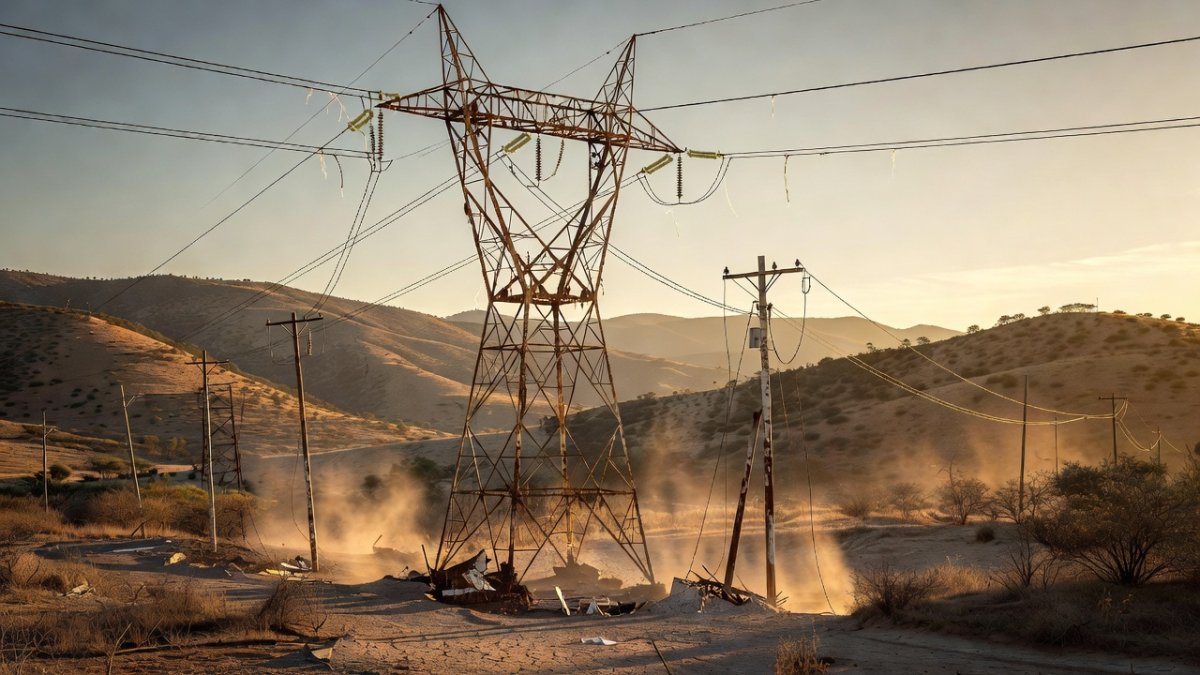
Power cuts lasting more than ten hours have become routine in Caracas and other major cities, disrupting daily life, businesses, and essential services across the country. These outages stem from a combination of aging equipment and insufficient maintenance following the 2007 nationalization of the grid under Chávez. The current administration has attributed much of the instability to external factors, yet critics note that institutions remain under party control with little meaningful reform since the ouster of Maduro. Rodríguez's cooperation with the Trump administration adds an international dimension to the effort, potentially opening pathways for broader technical support.
(Global 1 News)
This agreement arrives amid ongoing political transitions and highlights the urgent need to stabilize energy supply. Alcalá's role emphasizes engineering solutions over previous approaches, aiming to integrate modern components into the existing framework. The severity of the crisis underscores how climate-related stresses on hydroelectric sources compound longstanding infrastructure weaknesses, setting the stage for regional discussions on energy resilience.
Guri Dam: Drought, Climate Change, and Hydroelectric Vulnerability
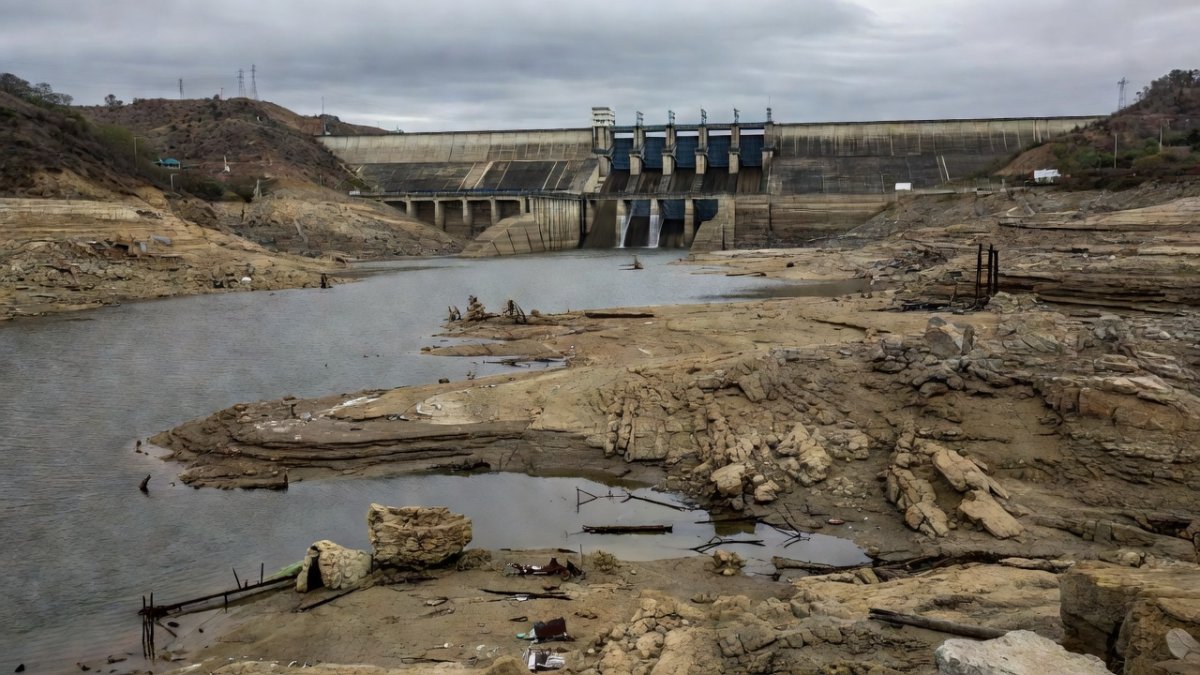
The Guri hydroelectric dam serves as Venezuela's primary source of electricity, supplying the majority of the nation's power needs through its vast reservoir and turbine systems. Prolonged droughts have drastically reduced water levels, forcing operators to curtail generation and triggering widespread blackouts. The Maduro government has consistently blamed these shortfalls on insufficient rainfall, yet the underlying vulnerability lies in overreliance on a single hydro facility that lacks adequate backup capacity during dry periods.
Climate change has intensified rainfall variability across the Orinoco basin, altering seasonal patterns that once provided reliable inflows to the dam. Warmer temperatures accelerate evaporation from the reservoir surface, further diminishing available water for power production. These shifts have made Guri's output increasingly unpredictable, exposing the grid to repeated failures even before considering equipment age or transmission losses.
Efforts to diversify away from this dependency have been limited, leaving the system exposed to recurring climate shocks. The nationalization in 2007 centralized control but did not incorporate climate adaptation measures into long-term planning. As droughts become more frequent and severe, the dam's role as the backbone of Venezuelan energy reveals systemic risks that extend beyond immediate political challenges.
Restoring grid stability therefore requires acknowledging how changing precipitation regimes affect hydroelectric performance. Without addressing these climate factors, technical upgrades alone may prove insufficient to prevent future crises of similar magnitude.
Brazil's Parallel Hydroelectric Challenges
Brazil faces comparable pressures from its heavy dependence on hydroelectric generation, particularly through major Amazon basin projects such as Belo Monte and Tucuruí. These facilities contribute substantially to national supply but encounter operational constraints during periods of low river flow. Extended dry seasons in the Northeast have further strained the system, prompting authorities to activate thermal backups more frequently and raising costs for consumers.
Regulatory bodies including ANEEL and ONS play central roles in monitoring reservoir levels and coordinating dispatch across interconnected regions. Their data reveal how climate variability disrupts traditional hydrological cycles, with reduced rainfall in key catchment areas leading to lower generation capacity. This situation mirrors challenges elsewhere in Latin America, where hydro dominance creates shared exposure to drought events intensified by broader atmospheric changes.
Transmission bottlenecks compound these issues, limiting the ability to move surplus power from wetter southern zones to deficit areas in the north and northeast. Policy responses have begun exploring complementary sources to buffer against hydro shortfalls, yet progress remains gradual amid competing priorities for infrastructure investment.
The Brazilian experience illustrates the need for integrated planning that accounts for climate projections in dam management. Regional coordination could help mitigate risks that individual countries face when relying predominantly on rainfall-dependent generation.
(Global 1 News)
Colombia and Peru: Shared Hydro Dependency Risks
Colombia's Ituango project and Peru's Mantaro complex represent key hydroelectric assets that supply large portions of domestic demand, yet both face mounting threats from shifting precipitation patterns across the Andes. Reduced snowmelt and altered monsoon influences have lowered reservoir inflows in recent years, forcing operators to implement conservation measures during peak demand periods. These developments highlight how Andean nations share exposure to climate-driven water scarcity affecting power reliability.
Drought risks extend beyond individual sites, influencing river systems that cross borders and support multiple economies. In Colombia, Ituango's expansion has encountered delays partly linked to environmental variability, while Mantaro in Peru contends with sedimentation accelerated by changing land and weather conditions. Such factors reduce effective storage and generation potential over time.
Regional climate models project continued increases in dry spell frequency, underscoring the limitations of hydro-centric strategies without parallel development of other resources. Cross-border dialogue through existing energy forums could facilitate shared monitoring and contingency planning to address these common vulnerabilities.
The experiences of Colombia and Peru reinforce that climate adaptation must become integral to energy infrastructure decisions throughout the Andes region.
Climate Policy Lessons for Energy Diversification
OLADE has promoted regional coordination on energy matters, emphasizing the value of pooling resources and expertise to manage climate-related risks across Latin America. Such collaboration could support joint assessments of hydro vulnerability and accelerate deployment of complementary technologies. Lessons from Venezuela's grid crisis and Brazil's Northeast droughts point toward the necessity of reducing single-source dependence through measured expansion of solar and wind capacity.
The Nordeste region of Brazil demonstrates substantial potential for wind and solar development, with consistent trade winds and high solar irradiance offering stable generation profiles that complement variable hydro output. Integrating these resources into national grids requires updated regulatory frameworks and transmission investments, yet offers pathways to greater resilience against drought-induced shortfalls.
Policy frameworks that incorporate climate projections into long-term planning can help avoid overcommitment to hydro assets susceptible to rainfall decline. Regional mechanisms facilitated by OLADE might enable technology transfer and financing arrangements that benefit multiple countries simultaneously.
Diversification efforts also support broader climate goals by lowering the carbon intensity of power sectors while enhancing reliability. Coordinated approaches across borders can distribute costs and risks more effectively than isolated national strategies.
What the GE Deal Signals for Regional Energy Future
The agreement between Venezuela and GE Vernova carries implications for foreign investment patterns in Latin American energy infrastructure. Technical partnerships of this nature may encourage other nations to pursue similar collaborations that combine external expertise with domestic priorities. Such arrangements could facilitate modernization while navigating questions of energy sovereignty and local control over critical assets.
By focusing on grid rehabilitation, the deal highlights opportunities to embed climate resilience into reconstruction efforts. Future projects might prioritize technologies that accommodate variable renewable inputs alongside existing hydro facilities, reducing overall system exposure to drought.
Regional energy futures will likely depend on balancing external technical support with strengthened national institutions capable of long-term planning. The Venezuelan case illustrates both the urgency created by climate impacts and the potential for renewed international engagement to address shared challenges.
Ultimately, outcomes will hinge on sustained implementation and complementary policies that advance diversification across the continent.
By Elena Vasquez, Staff Writer.This article was produced with AI-assisted research and editorial support. Reporting is based on sources cited in the article.
What's Your Reaction?
 Like
0
Like
0
 Dislike
0
Dislike
0
 Love
0
Love
0
 Funny
0
Funny
0
 Wow
0
Wow
0
 Sad
0
Sad
0
 Angry
0
Angry
0

Latin America Correspondent at Global1.News. Based in Mexico City, covering politics, economics, energy, and culture across the region. Brings an on-the-ground perspective to stories spanning from the Rio Grande to Patagonia.










Comments (0)