
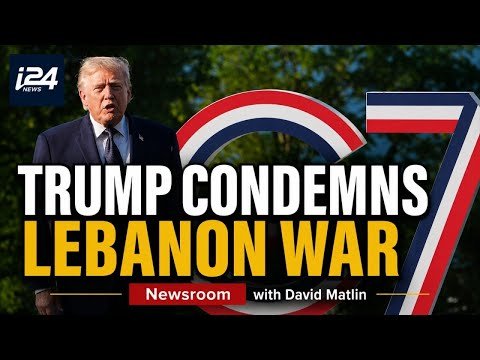
Trump Criticizes Israel Over Lebanon War at G7 Summit
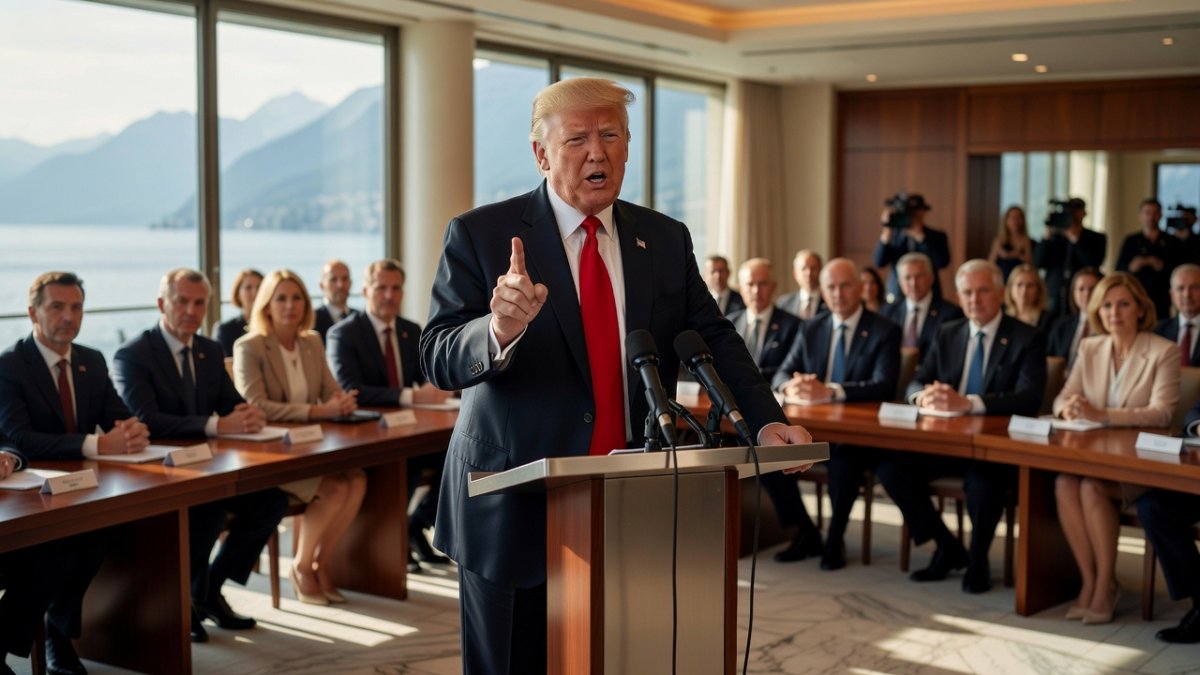
In a recent i24NEWS report, US President Donald Trump delivered a sharp public rebuke of Israel's military operations in Lebanon during the G7 summit in Évian-les-Bains, France. Trump told Qatari Emir Tamim bin Hamad Al Thani that he is "not happy with how Israel has behaved toward Lebanon and Hezbollah," warning Prime Minister Benjamin Netanyahu to show "more responsibility" a
In a recent i24NEWS report, US President Donald Trump delivered a sharp public rebuke of Israel's military operations in Lebanon during the G7 summit in Évian-les-Bains, France. Trump told Qatari Emir Tamim bin Hamad Al Thani that he is "not happy with how Israel has behaved toward Lebanon and Hezbollah," warning Prime Minister Benjamin Netanyahu to show "more responsibility" and accusing Israel of killing too many civilians in its campaign against the Iran-backed militia.
Trump Criticizes Israel Over Lebanon War at G7 Summit — Netanyahu Faces Unprecedented Public Pressure From Washington
Jerusalem, Israel — June 16, 2026 — In a meeting with Qatar's Emir Tamim bin Hamad Al Thani on the sidelines of the G7 summit in France on Tuesday, US President Donald Trump said he is "not happy" with Israel's conduct of the war against Hezbollah in Lebanon, marking his most direct public criticism of the Israeli government since returning to the White House.
Trump's Criticism and the Growing US-Israel Rift
Trump stated directly that Prime Minister Benjamin Netanyahu "must show more responsibility with regard to Lebanon" because "too many people are being killed." He specifically criticized Israeli tactics, saying the IDF does not have to "bring down a residential building every time you're looking for someone, because many people in those buildings are not Hezbollah." The remarks represent Trump's most outspoken criticism of Israel since returning to office and signal a significant shift in the tone of the US-Israel relationship.
Trump underscored his view of American leverage over Israeli decision-making, stating, "Without the United States, there would be no Israel. Without me, there would be no Israel." Israeli officials in the Prime Minister's Office have not issued a public response to the remarks, reflecting the delicate position Jerusalem now finds itself in. Military Affairs Minister Israel Katz has stated that Israel opposes any withdrawal of ground troops from southern Lebanon, a position that now faces direct pressure from Washington.
On the Ground in Southern Lebanon
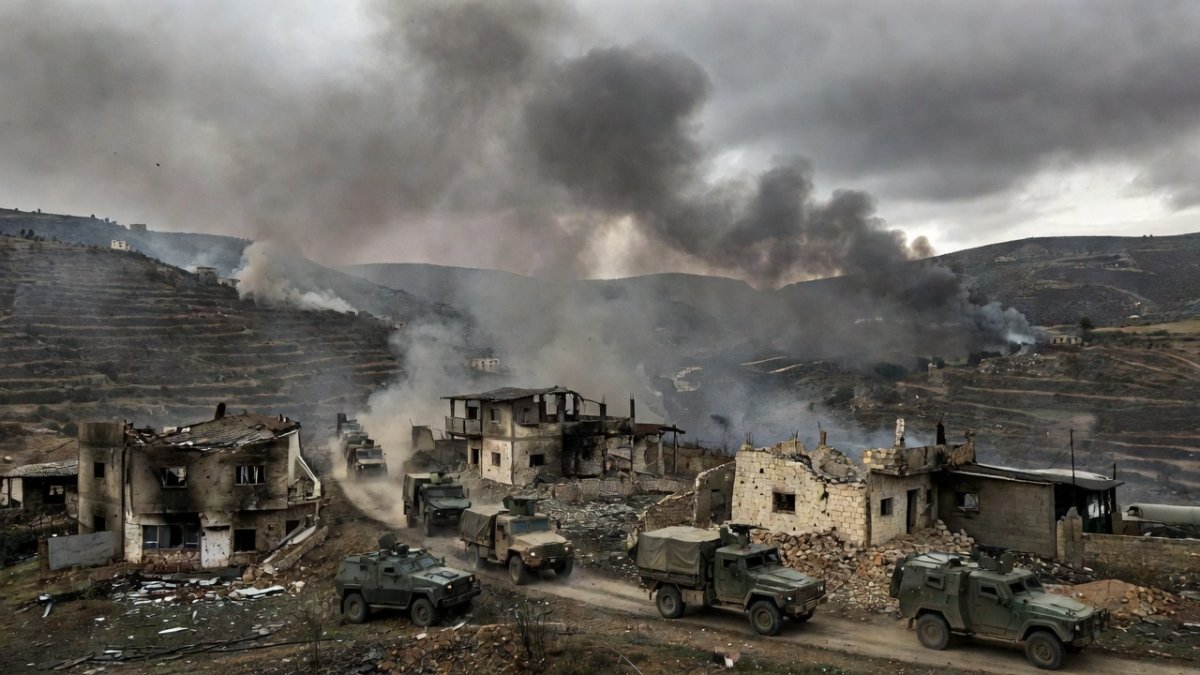
Since the conflict escalated, approximately 3,800 people have been killed and about 11,700 injured in Lebanon. The IDF has conducted repeated operations targeting Hezbollah infrastructure in southern Lebanon, including areas near the border with Israel. Israeli ground forces remain deployed south of the Litani River despite international calls for disengagement and UN Security Council resolutions demanding Hezbollah's withdrawal from the area.
Shin Bet assessments continue to highlight Hezbollah's rocket and tunnel networks as direct threats to communities in northern Israel, including Kiryat Shmona, Metula, and other towns along the border. Daily life for residents in these areas remains severely disrupted, with many still displaced from their homes due to ongoing cross-border fire and the constant threat of anti-tank missiles and drone incursions.
Regional Context — The Iran Deal and the Syrian Factor
Trump's criticism of Israel comes at a critical juncture in Middle East diplomacy. The United States and Iran have signed a new memorandum of understanding, with Tehran warning that any new Israeli attacks on Lebanon would be considered a violation of the agreement. The US-Iran MoU has already influenced regional calculations, with oil prices falling below $80 per barrel following the announcement.
In a striking suggestion, Trump proposed that Syria under the HTS-led regime headed by Abu Mohammad al-Jolani could take over the fight against Hezbollah if Israel cannot complete the task without killing civilians. "If Israel can't do the job without killing everyone else, Syria will do the job," Trump said. He described Jolani as "very capable" and said the Syrian leader has done "an amazing job of pulling the country together." The United States formally revoked Jolani's Specially Designated Global Terrorist status in November 2025, paving the way for his visit to Washington and recognition as a legitimate political leader.
Diplomatic and International Reactions
Arab leaders gathered at the G7 summit alongside Trump, with the Emir of Qatar serving as a key interlocutor during the bilateral meeting where Trump made his remarks. The G7 agenda also included discussions on Ukraine and global economic stability, yet the Lebanon file dominated Trump's public comments on Middle East security. The Foreign Ministry in Jerusalem is closely monitoring how European and Gulf states interpret Trump's willingness to shift responsibility toward Damascus.
Netanyahu has maintained a deliberate public silence on the criticism while coordinating with IDF commanders on continued operations in southern Lebanon. The lack of an immediate Israeli rebuttal reflects the delicate balance between preserving the US security umbrella and asserting operational independence. Iran has warned that continued Israeli operations in Lebanon would violate the newly signed MoU, placing further pressure on Jerusalem.
Analysis — What This Means for Israel
Trump's remarks signal that Washington may condition future support on changes in Israeli targeting practices and a possible timeline for withdrawal from southern Lebanon. This pressure arrives as the IDF prepares for potential escalation with Iran-backed groups across multiple fronts, including Gaza and the West Bank. Israeli defense planners must now weigh the risk of reduced American backing against the immediate threat posed by Hezbollah's remaining capabilities near the border.
The suggestion that Syria could assume a larger role against Hezbollah introduces a new variable for Mossad and IDF intelligence assessments regarding long-term stability in the region. Syria's HTS-led government, which has rejected any military role in Lebanon thus far, would represent an entirely new actor in the complex landscape of Lebanese security if it were to accept such a mission.
For Israeli citizens in the north, the calculus remains unchanged in the short term — security considerations continue to drive military operations, with the government allocating resources for both offensive operations and civilian protection measures. The coming weeks will test whether Jerusalem can navigate Trump's demands while maintaining the operational freedom required to neutralize the Hezbollah threat along Israel's northern border.
By Hannah Berg, Staff Writer
This article was produced with AI-assisted research and editorial support. Reporting is based on sources cited in the article.
What's Your Reaction?
 Like
0
Like
0
 Dislike
0
Dislike
0
 Love
0
Love
0
 Funny
0
Funny
0
 Wow
0
Wow
0
 Sad
0
Sad
0
 Angry
0
Angry
0
Israel Correspondent at Global1.News. Based in Tel Aviv, covering Israeli politics, security, technology, and society. Provides balanced, deeply-sourced reporting on one of the most closely-watched regions in the world.














Comments (0)