
Toothless Spain Held by Cape Verde on World Cup Debut
**Meta Description:** Cape Verde stun Spain 0-0 in their World Cup debut at Atlanta. Vozinha heroics and tactical discipline show African football's rise, with lessons for Bafana. **Keywords:** Cape Verde, Spain, World Cup 2026, Vozinha, Bafana Bafana, African football, Atlanta, Lamine Yamal, SAFA, SuperSport, PSL, African representation, Luis de la Fuente, Mercedes-Benz Stadiu
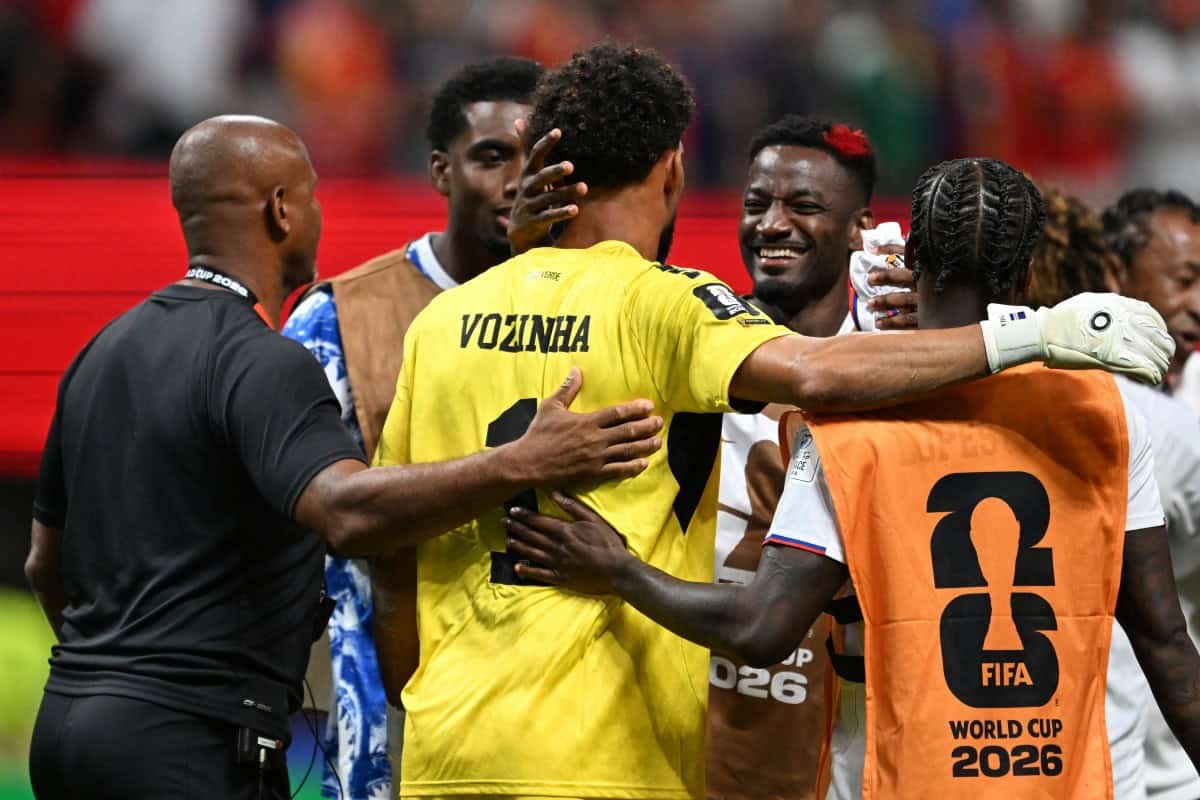
Match of the Tournament So Far?
On 15 June 2026 at the air-conditioned Mercedes-Benz Stadium in Atlanta, debutants Cape Verde held European champions Spain to a 0-0 draw that instantly became the story of the tournament. Ranked 67th in the world and representing a nation of roughly 500,000 people, the Blue Sharks refused to be overawed by a Spanish side that coach Luis de la Fuente had labelled the best in the competition.
For South African viewers watching on SuperSport, the result carried extra resonance. Bafana Bafana fans know how rare it is for an African side to keep a clean sheet against elite European opposition, and Cape Verde’s disciplined performance offered a timely reminder that organisation can trump pedigree.
The atmosphere inside the Mercedes-Benz Stadium crackled with disbelief as the final whistle sounded, with Cape Verde supporters waving flags in unison while Spanish fans sat stunned in the cooled stands. From a South African lens, this felt like watching a PSL underdog shut out a star-studded European side, proving that heart and structure can silence pedigree on the biggest stage. The Blue Sharks’ backline stayed compact for ninety minutes, absorbing wave after wave without ever losing their shape, which forced Spain into increasingly desperate long-range attempts that never troubled the keeper.
Tactically, Cape Verde’s decision to sit deep and invite pressure paid dividends because it neutralised Spain’s width and prevented the kind of intricate passing triangles that usually dismantle packed defences. South African coaches will note how the islanders used the air-conditioned environment to their advantage, conserving energy by staying narrow and only breaking when a rare turnover allowed quick transitions. This approach turned the match into a chess battle rather than a track meet, highlighting why African sides that prioritise organisation over flair can frustrate even the most technically gifted opponents.
The crowd’s growing frustration became audible during Spain’s prolonged spells of possession, creating an electric tension that mirrored the kind of hostile environments Bafana Bafana have thrived in during AFCON qualifiers. Cape Verde’s players fed off that energy, celebrating every clearance like a goal and showing the kind of unity that comes from months of meticulous preparation. For South African football, the sight of a smaller nation holding its own against European champions offers a blueprint: tactical discipline beats star power when executed with belief.
Vozinha Stands Tall in Goal
Goalkeeper Vozinha produced the defining performance of the night. He denied Ferran Torres early, then reacted sharply to keep out efforts from Mikel Oyarzabal and Aymeric Laporte as Spain searched for a breakthrough. Each save carried extra weight because Cape Verde rarely ventured forward in numbers.
South African keepers will study the footage. Vozinha stayed big, communicated constantly with his back line, and never rushed his distribution. The composure on display mirrored the standards PSL coaches demand from their own number ones when facing technically superior attacks.
The way Vozinha commanded his six-yard box turned the penalty area into a fortress, with every Spanish cross met by decisive punches or claims that prevented second-phase opportunities. South African analysts will highlight how his positioning cut off angles for Lamine Yamal’s eventual introduction, forcing the young winger into low-percentage shots from distance rather than the one-on-one situations he usually exploits. This level of shot-stopping under pressure showed why goalkeepers who prioritise presence over heroics can anchor an entire defensive system against superior possession sides.
Communication between Vozinha and his centre-backs created a seamless unit that anticipated Spain’s switches of play, allowing Cape Verde to reset quickly after each cleared ball. From a Bafana perspective, this mirrors the vocal leadership PSL coaches demand during high-stakes matches where one lapse can undo hours of hard work. The keeper’s calm distribution also prevented Spain from pressing high, keeping the game in the middle third where the Blue Sharks felt most comfortable.
Each of Vozinha’s interventions carried the weight of national pride, with the Atlanta crowd roaring louder after every stop as if witnessing history unfold in real time. South African fans recognise this kind of performance as the foundation for future upsets, proving that elite shot-stopping combined with organisation can neutralise attacks built on individual brilliance.
Spain's Star Attack Fails to Fire
Lamine Yamal began on the bench while managing a hamstring issue and entered as a substitute without finding a way through. Marc Cucurella, fresh from his 2025 move from Chelsea to Real Madrid, delivered a dangerous cross in the 39th minute that Ferran Torres headed against the crossbar. Nico Williams was introduced only in the 87th minute, too late to alter the pattern.
Even the hydration break drew boos from the Atlanta crowd despite the cooled stadium. Spain’s inability to convert dominance into goals continues a pattern: they have not won a World Cup knockout match since 2010.
Spain’s inability to stretch the pitch became glaring once Yamal entered, as Cape Verde simply shifted their compact block wider without ever losing central control. The crossbar moment from Torres summed up their evening of frustration, with the ball’s trajectory highlighting how fine margins separate dominance from disappointment against disciplined opponents. South African viewers will see parallels to Bafana matches where European sides over-rely on individual quality instead of varying their approach against low blocks.
The late introduction of Nico Williams exposed Spain’s lack of plan B, leaving them with too little time to adjust their attacking patterns or exploit any fatigue in the Cape Verde defence. From a tactical standpoint, the European champions’ insistence on playing through the middle rather than switching play to the flanks allowed the Blue Sharks to remain compact and deny the space their wingers crave. This bluntness continues a worrying trend that South African coaches will dissect for lessons on breaking down organised African defences.
The boos during the hydration break reflected growing impatience among the Atlanta faithful, turning what should have been a procession into a tense, low-scoring grind. Spain’s failure to adapt their build-up against a side that refused to press high left them recycling possession without penetration, a pattern that has haunted them in recent major tournaments.
Cape Verde's Tactical Discipline
Cape Verde maintained a compact defensive shape throughout, forcing Spain to play in front of them and limiting clear sights of goal. The structure never wavered, even when Spain enjoyed long spells of possession.
In the 90th minute Dani Borges rose to meet a rare Cape Verde chance, but his header flew straight at Unai Simon. The near-miss summed up their evening: disciplined, opportunistic, and ultimately content with the point.
The Blue Sharks’ midfield screening prevented Spain from finding the pockets between the lines, turning what should have been a possession masterclass into a series of sterile passes around the edge of the box. South African tacticians will admire how Cape Verde used their narrow shape to funnel play into areas where their full-backs could double up quickly, denying the kind of overloads that usually break down compact defences. This discipline allowed them to stay fresh despite long periods without the ball, a lesson for any African side facing superior technical opponents.
Even when Spain switched play repeatedly, Cape Verde’s backline shifted as a unit without ever leaving gaps for through balls, showcasing the kind of collective understanding that comes from detailed video analysis. The 90th-minute header from Dani Borges represented their only real moment of transition threat, proving that disciplined sides can still create moments when they remain organised on the counter. For Bafana Bafana fans, this performance underscores how structure can turn limited resources into genuine results on the global stage.
The refusal to chase the game or overcommit forward kept Cape Verde’s defensive line intact until the final whistle, frustrating Spain’s attempts to force errors through high pressing. This approach turned the match into a war of attrition where the smaller nation’s preparation trumped the European champions’ individual quality.
A Statement for African Football
The result sends a clear message across the continent. A nation with limited resources and a modest FIFA ranking can frustrate one of world football’s traditional powers when preparation and belief align. Cape Verde’s achievement will be replayed in dressing rooms from Cairo to Cape Town.
For South African football the lesson is straightforward. SAFA and PSL clubs must continue prioritising tactical education and goalkeeper development if they want to replicate this level of resistance on the global stage.
The Blue Sharks’ clean sheet against European champions will inspire coaches across Africa to invest in defensive organisation rather than chasing flashy attacking talent, proving that belief and structure can close the gap on traditional powers. South African academies will study how Cape Verde turned their modest resources into a performance that silenced a star-studded attack, offering a template for Bafana Bafana to follow in future World Cup campaigns. This result shifts the narrative from African sides being overawed to them being tactically equipped to compete.
From Johannesburg to Lagos, the performance will fuel conversations about how smaller nations can punch above their weight when they prioritise collective discipline over individual heroics. The statement resonates deeply with South African fans who have waited years for similar resistance against elite opposition, showing that the continent’s football is evolving through smarter preparation.
Cape Verde’s achievement highlights the growing maturity of African football, where tactical education at club level translates directly to international success against sides that once dominated through pedigree alone.
What Comes Next for Both Sides
Cape Verde face Saudi Arabia in Atlanta on Sunday knowing another disciplined display could secure a historic last-16 berth. Spain must regroup quickly and solve their attacking bluntness before the group stage tightens.
South African fans will keep watching. Results like this show that African sides can compete when they refuse to be intimidated, and every clean sheet against European champions adds weight to the argument that the gap is closing.
The Blue Sharks will carry this momentum into their next Atlanta fixture, knowing that another compact performance could write history by reaching the knockout stages for the first time. Spain face urgent questions about how to inject urgency into their attack without abandoning the possession principles that have defined their recent success. South African supporters will monitor both teams closely, recognising that Cape Verde’s blueprint offers valuable insights for Bafana Bafana’s own development pathway.
As the group stage unfolds, the 0-0 draw will serve as a reference point for how African sides can frustrate superior opponents through organisation rather than chasing the game. The lessons from Atlanta will echo in PSL dressing rooms, where coaches emphasise the same discipline that allowed Cape Verde to hold their own against the European champions.
Ultimately, this result reinforces that African football’s progress lies in tactical maturity and goalkeeper excellence, qualities that South African teams must continue to nurture if they hope to replicate similar statements on the world stage.
Tags: Cape Verde, Spain, World Cup 2026, Vozinha, Bafana Bafana, African football, Atlanta, Lamine Yamal, SAFA, SuperSport, PSL, African representation, football development
By Dante Williams, Staff Writer
This article was produced with AI-assisted research and editorial support. Reporting is based on sources cited in the article.
What's Your Reaction?
 Like
0
Like
0
 Dislike
0
Dislike
0
 Love
0
Love
0
 Funny
0
Funny
0
 Wow
0
Wow
0
 Sad
0
Sad
0
 Angry
0
Angry
0

Breaking News and Investigations Correspondent at Global1.News. Based in London, covering global breaking news, security, and investigative stories. Known for digging deeper and connecting the dots across continents.











Comments (0)