
Thailand Ends 60-Day Visa-Free Stays for 93 Countries, Reverting to 30-Day Limit
Thailand has ended the 60-day visa-free stay for visitors from 93 countries, slashing the allowance back to 30 days in a major policy reversal approved by the Cabinet. The decision, announced on May 19, 2026, reverses the generous visa scheme introduced in July 2024 to revive post-pandemic tourism. Foreign residents in Bangkok have been reacting to the change, captured in a new
Thailand has ended the 60-day visa-free stay for visitors from 93 countries, slashing the allowance back to 30 days in a major policy reversal approved by the Cabinet. The decision, announced on May 19, 2026, reverses the generous visa scheme introduced in July 2024 to revive post-pandemic tourism. Foreign residents in Bangkok have been reacting to the change, captured in a new Bangkok Post YouTube video that shows the human side of this sudden policy shift affecting millions of travellers and expats across the kingdom.
Thailand Ends 60-Day Visa-Free Stays for 93 Countries, Reverting to 30-Day Limit
Bangkok, Thailand — The Thai Cabinet approved the reduction of visa-free stays from 60 days to 30 days for visitors from 93 countries on May 19, 2026, under Prime Minister Anutin Charnvirakul. This decision reverses the earlier extension that had been introduced to support tourism recovery. The new rule limits most stays to the standard 30 days visa-free period, with only 54 countries remaining eligible for the full exemption, down from the previous 57 countries that qualified under the longer scheme.
Travelers from India and several other nations will instead receive a 15-day Visa on Arrival option available at major entry points for a fee of 2,000 baht. The policy change includes a strict two-entry cap on visa-exempt border runs to prevent repeated short exits and re-entries. These measures take effect 15 days after the official publication in the Royal Gazette, giving travelers and airlines a brief window to adjust their plans.
Foreign Minister Sihasak Puangketkaew emphasized the need to address unauthorized business activities by some long-staying visitors. Tourism Minister Surasak Phancharoenworakul highlighted the importance of improved screening processes at airports and land borders. The affected entry points include Suvarnabhumi Airport, Don Mueang Airport, and popular land crossings near Chiang Mai and Phuket.
Thai readers will notice these updates first through announcements from the Immigration Bureau and the Tourism Authority of Thailand. The timeline ensures that hotels and tour operators in Bangkok and regional destinations receive clear guidance before the new rules begin.
Why the Change Happened
The 60-day visa-free scheme began on July 15, 2024, under former Prime Minister Srettha Thavisin as part of efforts to welcome more visitors from 93 countries. That policy aimed to boost longer stays and support local economies after the pandemic. However, recent reviews revealed that some visitors used the extended period for activities beyond tourism, prompting the current adjustment.
Foreign Minister Sihasak Puangketkaew pointed to cases of illegal business operations conducted by foreigners who remained beyond intended short visits. Tourism Minister Surasak Phancharoenworakul stressed the goal of sustainable tourism that protects Thailand's cultural sites and natural resources. These concerns led the Cabinet to prioritize better screening while maintaining openness to genuine travelers.
Border run practices, where visitors briefly left and re-entered to reset their stays, created additional administrative burdens at checkpoints. The two-entry cap directly addresses this pattern. For Thai communities in areas like Pattaya and Koh Samui, the change supports a more balanced flow of guests who contribute to local markets without overwhelming infrastructure.
Analysis shows that sustainable tourism protects the long-term appeal of Thailand's festivals and beaches for future generations. The policy reversal demonstrates how the government weighs economic benefits against the need for responsible management.
Foreign Resident Reactions in Bangkok
A Bangkok Post video recorded reactions from foreign residents along Sukhumvit Road in Bangkok shortly after the announcement. Digital nomads and retirees expressed surprise at the sudden shift from the 60-day allowance they had grown accustomed to since July 2024. Many discussed how the new 30-day limit would affect their visa planning and daily routines in the capital.
Residents noted that the two-entry cap would require more careful scheduling of any necessary border trips. Social media groups popular among expats quickly filled with questions about the exact start date tied to Royal Gazette publication. The video captured conversations in coffee shops near Asok intersection where people shared concerns about upcoming travel arrangements.
Retirees who have lived in Bangkok for several years described the change as unexpected after the earlier extension under Prime Minister Srettha Thavisin. Digital nomads working from co-working spaces in the Sukhumvit area wondered how the rules would interact with longer-term visa options. These personal stories highlight the human side of policy adjustments for the estimated 2-3 million foreign residents in Thailand.
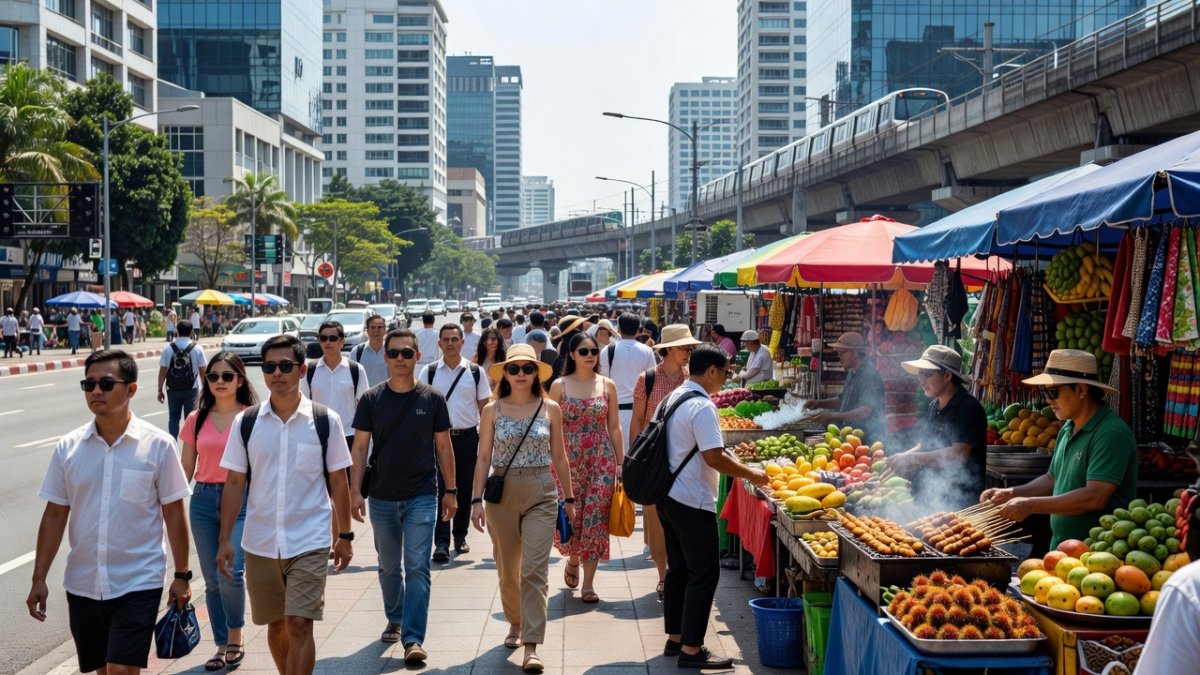
The reactions underscore how visa rules shape everyday life for those who call Thailand home. Thai readers may appreciate the gentle tone in these discussions, which often include gratitude for the country's hospitality even amid the adjustments. The video serves as a reminder that policy changes touch real communities in neighborhoods across the city.
Implications for Thailand's Tourism Sector
Thailand's tourism industry contributes approximately 18 percent to the national GDP, with 35 million tourists recorded in 2024. The policy shift will influence key destinations including Phuket, Chiang Mai, Pattaya, Koh Samui, and Bangkok, where longer-stay visitors have supported hotels and local businesses. Operators in these areas are now preparing for a possible increase in shorter visits and package tours.
Hotel associations in Phuket and Pattaya have begun reviewing booking patterns to understand how the 30-day limit might affect occupancy rates during peak seasons. The Tourism Authority of Thailand continues to promote cultural experiences that appeal to both short-term and longer-term guests. This approach helps maintain the welcoming atmosphere that defines Thai hospitality.
Package tour operators may see renewed interest as travelers adjust to the shorter visa-free window, while long-stay programs face new considerations. The Loy Krathong season later this year offers an opportunity to observe early impacts on visitor numbers. Tourism Minister Surasak Phancharoenworakul has noted that sustainable practices remain central to future planning.
For Thai readers, these developments matter because tourism supports countless families and small enterprises nationwide. The focus on screening and sustainability aims to preserve the quality of experiences that draw visitors year after year. Regional destinations will likely adapt by highlighting unique local festivals and cuisine to encourage meaningful short stays.
Impact on Digital Nomads and the Expat Community
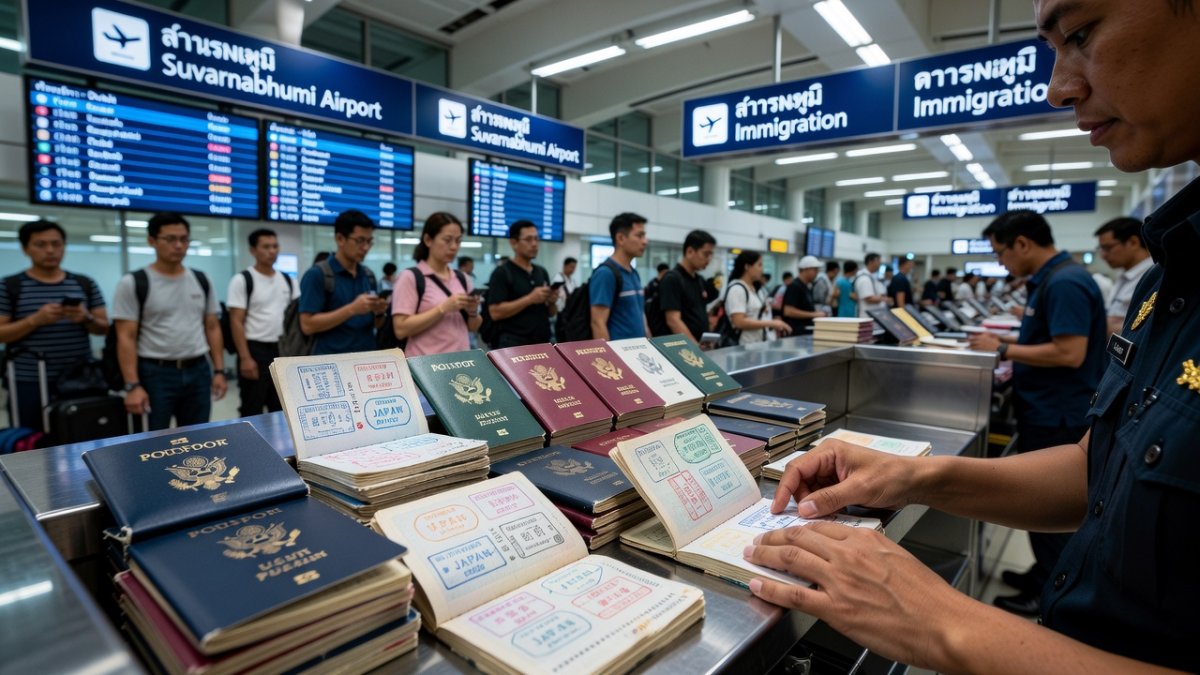
Thailand hosts an estimated 2-3 million foreign residents, with more than 10 percent potentially affected by the reduction in visa-free days. The two-entry cap on border runs will require digital nomads and retirees to plan their movements more deliberately. Co-working spaces in Bangkok and Chiang Mai have started offering guidance sessions on the updated rules.
Many expats in Pattaya and Koh Samui are reviewing their options for maintaining legal stays while continuing their work or retirement plans. Thai landlords who rent to foreign tenants may see adjustments in lease lengths as residents align with the new 30-day framework. These changes affect daily life in neighborhoods where international communities have become part of the local fabric.
The policy encourages greater use of structured visa programs rather than repeated short entries. Digital nomads often contribute to local economies through spending at cafes and services, yet the government seeks to ensure these activities remain within regulated channels. Foreign Minister Sihasak Puangketkaew's comments on illegal operations underscore the need for clear boundaries.
The Destination Thailand Visa Alternative
The Destination Thailand Visa, known as DTV, offers a 5-year multi-entry option that allows stays of up to 180 days per entry. Applicants must provide proof of income exceeding 500,000 baht along with other documentation processed through Thai embassies abroad. This visa serves as a structured pathway for those seeking longer periods in the country.
Co-working spaces near the Chao Phraya River in Bangkok have become popular among DTV holders who combine work with cultural exploration. The program supports Thailand's goal of attracting quality visitors who engage respectfully with local traditions. Embassy processing ensures that applicants meet clear eligibility criteria before arrival.
Digital nomads and remote workers from various countries have shown interest in the DTV as a stable alternative to visa-exempt entries. The 180-day stay allowance provides flexibility for extended projects while requiring periodic exits. Tourism Minister Surasak Phancharoenworakul has linked such options to broader sustainable tourism objectives.
Broader ASEAN and Regional Context
Neighboring ASEAN countries including Malaysia, Vietnam, Cambodia, and Laos are observing Thailand's policy adjustment closely. These nations compete in the regional tourism market and may consider similar refinements to their own entry rules. Thailand's position as a major hub influences travel patterns across Southeast Asia.
The 18 percent GDP contribution from tourism in Thailand highlights the sector's importance for the entire region. Coordinated ASEAN approaches could help manage visitor flows while preserving each country's unique cultural offerings. Recent discussions among tourism ministers have touched on shared challenges such as sustainable development and border management.
Travelers often combine visits to Thailand with stops in Vietnam or Malaysia, making regional policies interconnected. The reduction to 30 days may shift some longer stays toward neighboring destinations in the short term. Yet Thailand's rich heritage sites and festivals continue to draw visitors seeking authentic experiences.
What to Watch for Next
The new rules will take effect 15 days after publication in the Royal Gazette, providing a clear timeline for travelers and airlines. The Tourism Authority of Thailand plans to issue updated advisories for major carriers serving Bangkok and Phuket. First arrivals under the revised system will offer early indications of how the 30-day limit influences overall numbers.
Further clarifications on the Destination Thailand Visa requirements are expected in the coming weeks, particularly regarding income documentation and embassy procedures. A review after the first three months will assess impacts on arrivals from the 93 affected countries. Hotel operators in Chiang Mai and Koh Samui are preparing contingency plans based on these developments.
Airline advisories will likely include reminders about the two-entry cap and Visa on Arrival options for Indian nationals and others. Monitoring tools from the Immigration Bureau will track compliance at land borders and airports. These steps ensure smooth implementation while respecting Thailand's tradition of warm welcomes.
Thai readers should follow official channels from the Ministry of Foreign Affairs and the Tourism Authority of Thailand for the latest updates. The coming months will reveal how the changes support sustainable tourism goals and protect community interests across the kingdom.
By Ann Srisawat, Staff Writer
This article was produced with AI-assisted research and editorial support. Reporting is based on sources cited in the article.
What's Your Reaction?
 Like
0
Like
0
 Dislike
0
Dislike
0
 Love
0
Love
0
 Funny
0
Funny
0
 Wow
0
Wow
0
 Sad
0
Sad
0
 Angry
0
Angry
0

Southeast Asia Correspondent at Global1.News. Based in Bangkok, covering Thai and Southeast Asian politics, economy, technology, and culture. Deep regional perspective on one of the world's most dynamic regions.













Comments (0)