
Thailand Cuts Visa-Free Stay from 60 to 30 Days
Thailand has formally approved a reduction in visa-free stays from 60 to 30 days for tourists from 93 countries, a policy shift approved by the Cabinet in May 2026 that takes effect 15 days after publication in the Royal Gazette. Prime Minister Anutin Charnvirakul confirmed the revision aims to balance economic benefits with national security, while foreign residents in Bangkok
Thailand has formally approved a reduction in visa-free stays from 60 to 30 days for tourists from 93 countries, a policy shift approved by the Cabinet in May 2026 that takes effect 15 days after publication in the Royal Gazette. Prime Minister Anutin Charnvirakul confirmed the revision aims to balance economic benefits with national security, while foreign residents in Bangkok have begun sharing their reactions to the change through a Bangkok Post video published today.
The Cabinet's Recent Approval of Visa Revisions
The Thai Cabinet approved the visa revision in May 2026, setting the stage for a reduction in visa-free stays from 60 days to 30 days for eligible travelers. Prime Minister Anutin Charnvirakul stated that the policy needs revising for economic and national security reasons, emphasizing the need to balance visitor inflows with domestic priorities. This decision directly affects the 93 countries that gained expanded access in previous years and will take effect 15 days after publication in the Royal Gazette.
Tourism Minister Sorawong Thienthong confirmed that relevant agencies agreed in principle to the changes, highlighting coordination across government bodies to streamline entry rules. The Foreign Ministry noted that the revision aims to reduce confusing multiple visa exemption categories that had developed over time. These steps reflect Thailand's commitment to clear regulations that support local communities in popular destinations such as Phuket and Chiang Mai.
For Thai readers, this adjustment matters because it reinforces the role of government agencies in maintaining orderly tourism that benefits neighborhoods and small businesses tied to Buddhist temple visits and cultural festivals. Clearer visa durations help prevent overstays that could strain resources in areas like Pattaya and Hua Hin, where daily life revolves around harmonious community interactions.
Tracing the Evolution of Thailand's Visa-Free Access
In July 2024, Thailand expanded visa-free entry to 93 countries for stays of up to 60 days as part of post-pandemic recovery efforts. Prior to that expansion, only 57 countries held visa-free access, creating a more limited framework that the 2024 change sought to broaden. The current shift moves toward country-by-country duration adjustments rather than a uniform 60-day allowance.
This historical progression shows how Thailand adapted entry policies to attract more visitors while monitoring impacts on national infrastructure. The move from 57 to 93 countries in 2024 brought increased arrivals, yet the 2026 revision addresses emerging patterns that require finer controls. Local communities in Koh Samui and Bangkok have experienced both the benefits of higher foot traffic and the challenges of managing longer stays.
Thai readers can see why these changes matter through the lens of cultural preservation, as shorter defined periods encourage visitors to engage respectfully with Buddhist sites and village traditions without overwhelming daily rhythms in regional areas. Government agencies continue to refine these rules to sustain the welcoming spirit that defines Thai hospitality across ASEAN borders.
Current Tourism Arrival Figures and Trends
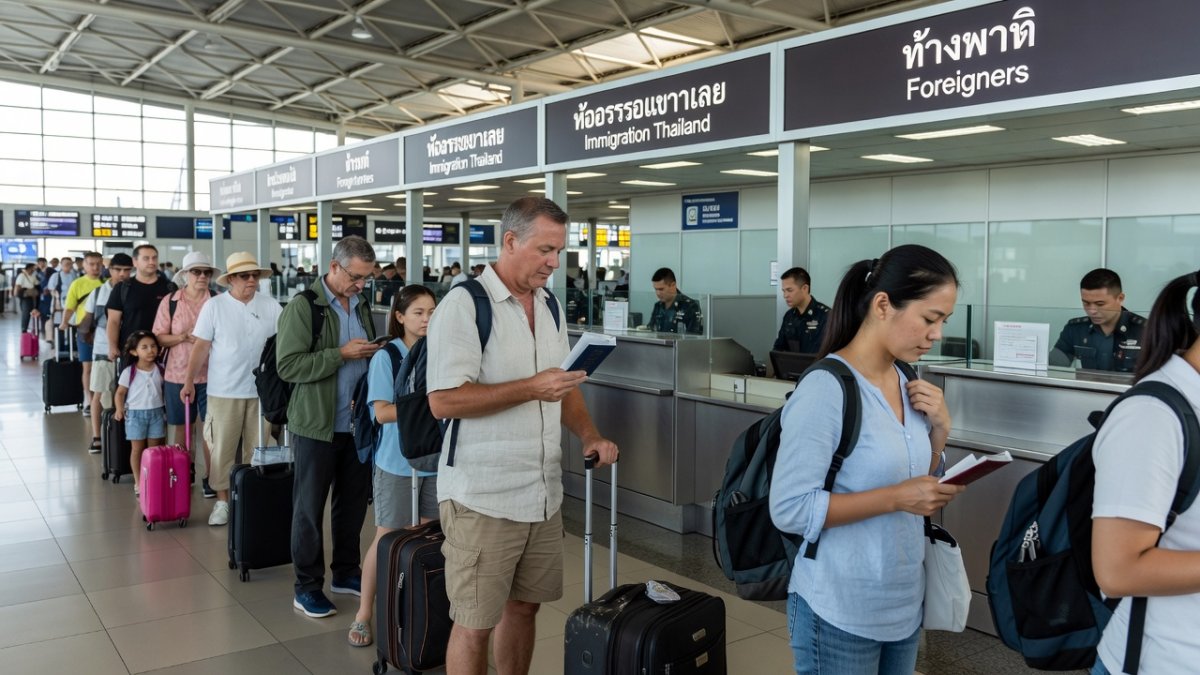
Thailand recorded nearly 40 million visitors in 2019, establishing a strong benchmark before global disruptions. By May 2026, the country had already welcomed nearly 12 million visitors, demonstrating robust recovery momentum. Long-haul tourists typically stay an average of 14 to 21 days, while short-haul visitors average about 7 days.
These figures underscore Thailand's position as Asia's top holiday destination, with the 12 million arrivals by May 2026 signaling sustained appeal despite the upcoming policy shift. The data on stay lengths indicates that many travelers already operate within shorter windows, suggesting the 30-day limit aligns with existing patterns for most groups. Tourism operators in Hua Hin and Pattaya rely on these steady flows to support local economies.
This recovery matters for Thai communities because it connects directly to livelihoods around temple complexes and markets, where visitors contribute to festivals and daily commerce. The strong numbers by May 2026 reassure residents that measured visa adjustments can maintain growth without disrupting the cultural balance that draws regional travelers from across ASEAN nations.
Addressing Security Issues Through Policy Changes
High-profile arrests of foreign nationals involved in drugs and sex trafficking prompted closer scrutiny of extended visa-free periods. Nominee businesses operating in Phuket raised additional concerns about regulatory compliance in tourist zones. In 2024 alone, authorities revoked 40 tourism company licenses nationwide, including 15 in Phuket, as part of enforcement actions.
A special joint operation centre now coordinates efforts across Phuket, Chiang Mai, Pattaya, Hua Hin, Koh Samui, and Bangkok to monitor activities linked to longer stays. These measures target issues that affect neighborhood safety and fair business practices in areas popular with both locals and visitors. The 30-day reduction supports these operations by limiting opportunities for misuse.
For Thai readers, these security steps matter because they protect the integrity of communities centered on Buddhist values of order and mutual respect. Government agencies working through the joint centre help ensure that tourism growth in ASEAN-competitive destinations does not come at the expense of local trust and daily security in key provinces.
Insights from Tourism and Hospitality Associations
The Thai Hotels Association linked the previous 60-day policy to rises in illegal condo rentals that undercut licensed accommodations. The Association of Thai Travel Agents expressed concerns about illegal foreign workers entering through extended stays and competing in local job markets. Both groups provided input during the agency discussions that led to the May 2026 Cabinet approval.
These association perspectives highlight practical effects on Phuket and other hubs where unlicensed operations have disrupted established tourism services. The revocation of 15 tour company licenses in Phuket in 2024 illustrates the scale of enforcement already underway. Shorter visa durations are expected to reinforce compliance among operators serving visitors from the 93 eligible countries.
Thai communities benefit when these industry voices guide policy, as stable regulations support family-run guesthouses and guided cultural tours that celebrate local heritage. The associations' input ensures that economic gains from the nearly 12 million visitors by May 2026 flow more evenly to residents in Chiang Mai and Koh Samui.
Foreign Residents' Perspectives Captured in Recent Video
The Bangkok Post released a video on June 10, 2026, titled "Thailand's 60-to-30-day visa cut: Foreign residents react," featuring interviews with foreign residents in Bangkok. In the video, participants discussed how the change affects both tourists planning extended trips and expats managing longer visits under the revised rules. Their comments reflect daily experiences in a city that hosts many international arrivals.
Foreign residents noted that the shift from 60 to 30 days requires adjustments in travel planning, particularly for those combining tourism with regional ASEAN exploration. The video captures reactions tied to the Foreign Ministry's goal of simplifying multiple visa categories. These personal accounts add context to the broader government announcements from May 2026.
Thai readers gain insight from these perspectives because they show how policy clarity supports respectful interactions between visitors and local communities. The Bangkok Post video underscores the gentle adjustments needed to maintain Thailand's reputation for warm hospitality while addressing the economic and security factors cited by Prime Minister Anutin Charnvirakul.
Broader Implications for ASEAN Tourism Competition
Thailand's status as Asia's top holiday destination places it in direct competition with neighboring countries for the same visitor pools from the 93 eligible nations. The nearly 12 million arrivals by May 2026 demonstrate strong recovery, yet the 30-day limit introduces a new variable in regional marketing strategies. Country-by-country duration settings allow tailored approaches that could influence cross-border travel patterns.
Neighboring ASEAN destinations may adjust their own visa offerings in response, affecting how long-haul tourists averaging 14 to 21 days allocate time across multiple countries. Short-haul visitors averaging 7 days are less likely to see major disruptions, preserving steady flows to Thai destinations like Bangkok and Pattaya. The special joint operation centre's work in six key areas supports consistent enforcement that strengthens Thailand's competitive edge.
This regional dynamic matters for Thai readers because tourism revenue supports community projects and cultural preservation efforts tied to Buddhist traditions in provinces from Phuket to Chiang Mai. Clearer visa rules help Thailand sustain its leadership role within ASEAN while ensuring that the nearly 40 million visitors recorded in 2019 remain a reachable target through balanced policies.
By Ann Srisawat, Staff Writer
This article was produced with AI-assisted research and editorial support. Reporting is based on sources cited in the article.
What's Your Reaction?
 Like
0
Like
0
 Dislike
0
Dislike
0
 Love
0
Love
0
 Funny
0
Funny
0
 Wow
0
Wow
0
 Sad
0
Sad
0
 Angry
0
Angry
0

Southeast Asia Correspondent at Global1.News. Based in Bangkok, covering Thai and Southeast Asian politics, economy, technology, and culture. Deep regional perspective on one of the world's most dynamic regions.















Comments (0)