
Telegram Ban India: NEET 2026 Retest Security Tightened
Telegram Restricted Nationwide as NEET Retest Looms New Delhi, Delhi – June 16, 2026. The Ministry of Electronics and Information Technology has restricted Telegram across India until June 22, 2026, while disabling the platform's message-editing feature until June 30. The National Testing Agency requested the measure after Telegram groups advertised fake NEET question papers an
Telegram Restricted Nationwide as NEET Retest Looms
New Delhi, Delhi – June 16, 2026. The Ministry of Electronics and Information Technology has restricted Telegram across India until June 22, 2026, while disabling the platform's message-editing feature until June 30. The National Testing Agency requested the measure after Telegram groups advertised fake NEET question papers and defrauded candidates.
The decision directly targets the ecosystem that allegedly duped 1,500 students of Rs 1.5 crore through organised Telegram channels promising leaked papers for the cancelled May 3 examination.
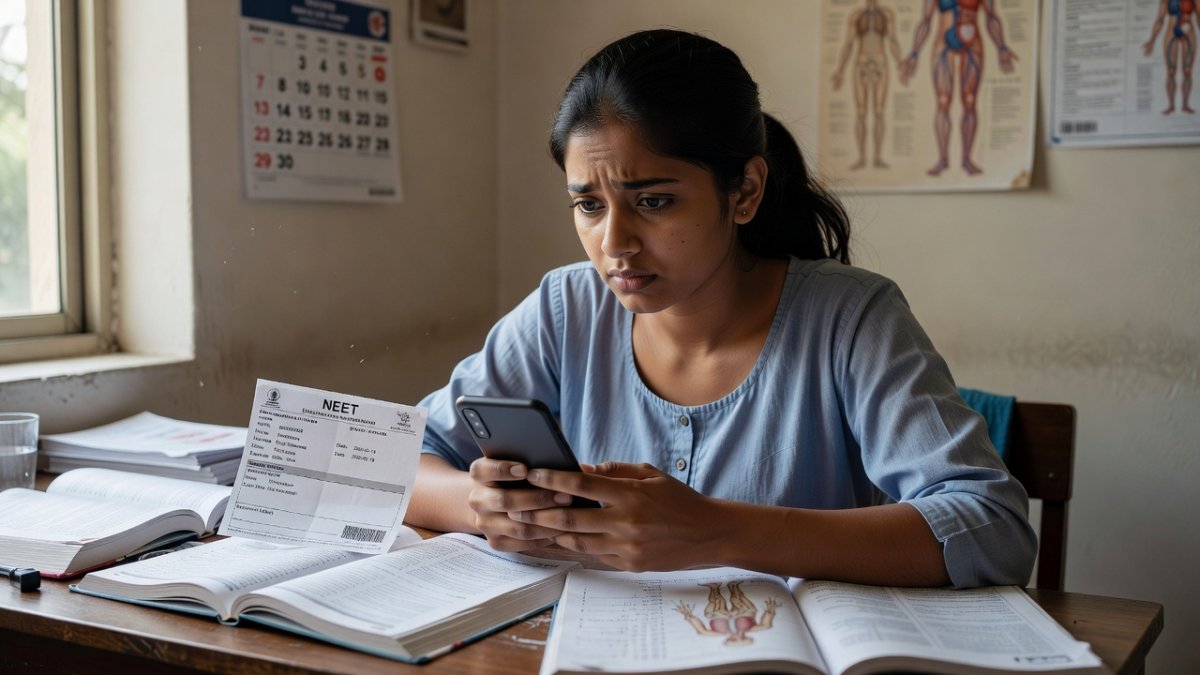
Scale of the Re-Examination Operation
The NEET-UG 2026 re-examination is scheduled for June 21 from 2:00 PM to 5:15 PM in offline pen-and-paper mode. 2.27 million candidates have registered across 5,000-plus centres in 551 Indian cities and 14 cities abroad. CRPF and CISF personnel have been deployed at every centre, while cyber surveillance has been intensified nationwide.
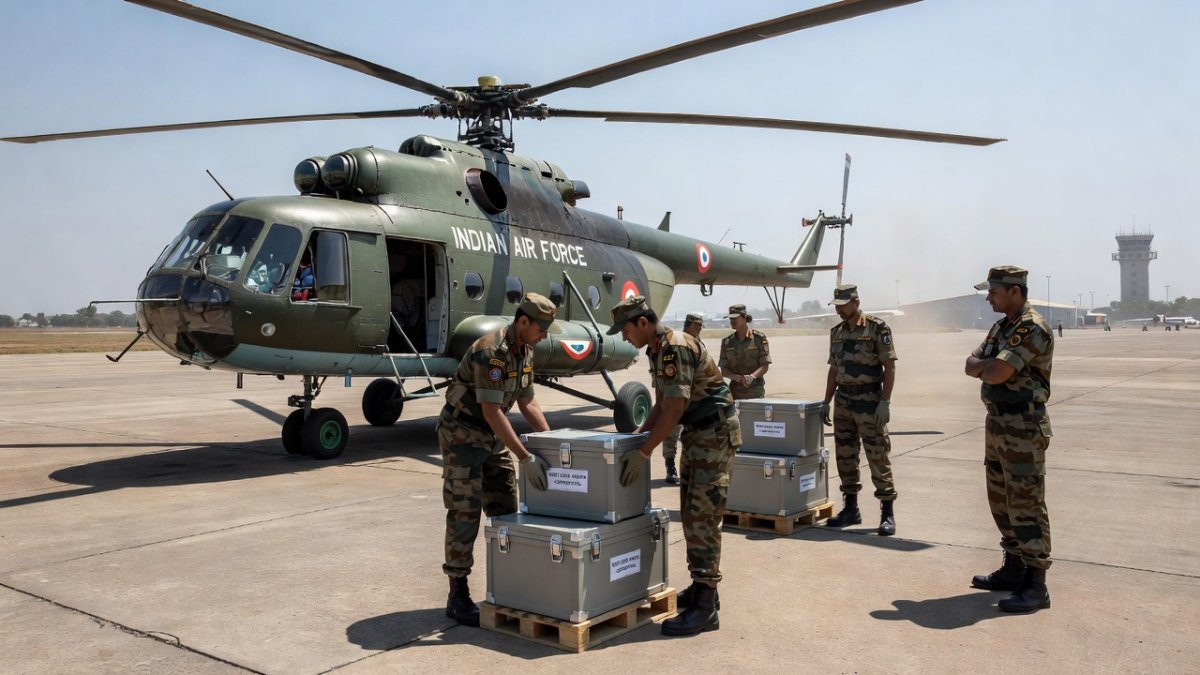
Paper setters, moderators and translators have remained under lockdown in an undisclosed secure facility since June 8. The Indian Air Force is using Mi-17 helicopters for short-haul movements and C-17 Globemaster aircraft for strategic airlift of question papers to maintain chain-of-custody integrity.
Why the Ban Targets Telegram's Editing Feature
Telegram's ability to edit messages after sending allowed scammers to alter or delete incriminating posts once payments were received. Disabling this feature until June 30 removes a key tool used in the fraud that extracted Rs 1.5 crore from 1,500 aspirants. The restriction applies uniformly, affecting both public channels and private chats where end-to-end encryption previously limited traceability.
Criticism from Researchers and Coaching Sector
Cybersecurity researcher Nisarga Adhikary, 19, questioned the ban's effectiveness, noting that private chats remain encrypted and determined actors can migrate to other platforms. A coaching institute director in Kota argued that the measure fails to address internal NTA vulnerabilities, alleging that earlier leaks originated from within the agency itself. A former parliamentary committee official described the Telegram restriction as "killing a mosquito with a cannon," highlighting the absence of penalties against past culprits.
Implications for 2.27 Million Indian Students and Taxpayers
The re-test imposes direct costs on families already burdened by coaching fees and travel. With 2.27 million candidates affected, even modest additional expenses per student translate into hundreds of crores in economic impact. The deployment of IAF aircraft, CRPF and CISF forces, and prolonged lockdown of paper setters represents significant public expenditure at a time when the education budget faces competing demands from school infrastructure and higher-education expansion.
Tamil Nadu BJP chief Annamalai has publicly criticised the re-test arrangements, reflecting political pressure on the Ministry of Education to restore credibility in a system that determines entry to medical colleges for over two million aspirants annually.
Long-Term Questions for India's Testing Framework
The episode exposes structural weaknesses in the National Testing Agency's operational security. Repeated paper leaks have eroded trust in a centralised examination that replaced multiple state-level medical entrance tests. Unless internal controls, digital tracking of question-paper custody, and swift prosecution of insiders are strengthened, similar disruptions will recur, regardless of temporary platform restrictions.
For Indian students and parents, the June 21 re-test is not merely another examination but a test of institutional accountability. The coming days will reveal whether the combination of Telegram restrictions, IAF logistics and multi-force deployment can prevent further leaks or merely displace the problem to new channels.
— By Dr. Raj Patel, Staff Writer
This article was produced with AI-assisted research and editorial support. Reporting is based on sources cited in the article.
What's Your Reaction?
 Like
0
Like
0
 Dislike
0
Dislike
0
 Love
0
Love
0
 Funny
0
Funny
0
 Wow
0
Wow
0
 Sad
0
Sad
0
 Angry
0
Angry
0

India/South Asia Correspondent at Global1.News. Analytical voice with a background in science and health journalism. Based in New Delhi, covering Indian politics, education, healthcare, technology, and policy. Breaks down complex data into clear, actionable reporting.














Comments (0)