
Starmer Resignation Pressure After Burnham Win
In the wake of Labour’s 2024 landslide victory secured on the lowest vote share in modern history, the party now confronts an existential reckoning in its traditional heartlands. The Makerfield by-election result on 18 June 2026 has crystallised deep discontent among voters who once delivered Sir Keir Starmer his parliamentary majority. With Andy Burnham’s emphatic triumph, the
In the wake of Labour’s 2024 landslide victory secured on the lowest vote share in modern history, the party now confronts an existential reckoning in its traditional heartlands. The Makerfield by-election result on 18 June 2026 has crystallised deep discontent among voters who once delivered Sir Keir Starmer his parliamentary majority. With Andy Burnham’s emphatic triumph, the question of the Prime Minister’s future has shifted from speculation to urgent political reality.
Starmer Under Siege as Burnham Claims Makerfield in Dramatic By-Election Upset
London, UK – 21 June 2026 — Labour’s fragile hold on power has been shaken to its core after Andy Burnham secured a commanding victory in the Makerfield by-election, triggering immediate and coordinated calls for Keir Starmer to resign. The result, delivered just two years after the party’s historic but shallow 2024 general election win, has exposed profound weaknesses in Starmer’s leadership and the party’s connection to its northern base.
The By-Election Result and Its Stark Numbers
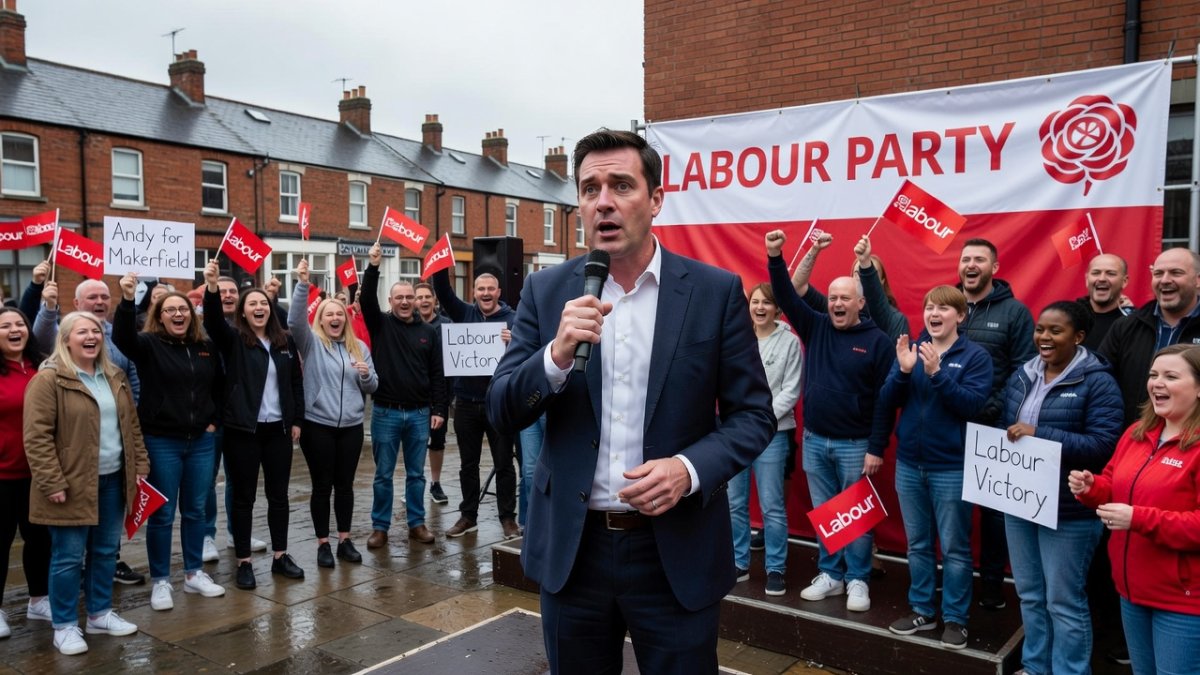
Andy Burnham secured 24,927 votes, representing 54.8 per cent of the vote in the Makerfield constituency on 18 June 2026, establishing a majority of 9,231 over Reform UK candidate Robert Kenyon who polled 15,696. Turnout stood at 58.8 per cent in the former coal-mining seat in Greater Manchester, triggered by the resignation of Labour MP Josh Simons. These figures represent a remarkable reversal from the local elections held in the same area, where Reform UK captured more than 50 per cent of the vote while Labour managed only 23 per cent. Burnham’s personal intervention transformed that deficit into a 55 per cent share, demonstrating both his enduring appeal and the limits of Starmer’s national brand. The scale of the swing underscores how quickly voter loyalty can evaporate when local identity collides with Westminster fatigue. Analysts note that Makerfield’s result cannot be dismissed as a protest vote; it reflects calculated support for a figure seen as authentically northern and willing to challenge centralised control. The data also highlights Reform UK’s persistent threat, finishing a strong second and signalling that the right-wing populist surge remains potent even against a high-profile Labour opponent.
Burnham’s Personal Turnaround and Strategic Positioning
Andy Burnham, Greater Manchester Mayor since 2017 and former Leigh MP from 2001 to 2017, framed his campaign as Labour’s “final chance to change.” His victory speech emphasised renewal rather than continuity, positioning himself as the candidate capable of reconnecting the party with working-class voters who feel abandoned. The turnaround from the earlier local election drubbing was extraordinary, achieved through intensive grassroots engagement and a clear message on regional empowerment. Burnham’s long-standing advocacy for devolution resonated deeply in a constituency that once powered Britain’s industrial economy. Voters responded to his record of securing funding for transport and health initiatives across the city-region, contrasting sharply with perceptions of Starmer’s London-centric approach. The result has hardened support among MPs who view Burnham as the only figure capable of halting further erosion in the Red Wall. His campaign deliberately avoided direct attacks on Starmer while making the case for a different style of leadership. This calculated restraint has allowed Burnham to emerge as a unifying alternative without appearing divisive. The personal nature of the victory, built on two decades of local service, has made it difficult for Starmer’s allies to dismiss the outcome as merely factional.
Starmer’s Record Low Approval and Fading Authority
Sir Keir Starmer’s net approval rating stood at minus 46 per cent according to Ipsos polling conducted in November 2025, the worst figure recorded since the series began in 1977. This catastrophic standing has left the Prime Minister with minimal political capital as the leadership crisis intensifies. BBC News reporting captured the prevailing mood, noting that “talk of Sir Keir Starmer fighting is fading.” Starmer spent the weekend at Chequers with his wife, a traditional retreat that now carries the weight of impending departure. The Observer reported expectations that Starmer would resign on Monday 22 June 2026, reflecting the speed at which events are moving. i24 News described the situation as “Starmer Accepts The End Is Near As Burnham’s Support Hardens.” The combination of dismal personal ratings and a humiliating by-election defeat has stripped away the protective layer of party discipline that sustained him through earlier difficulties. Cabinet colleagues who once defended his strategic caution now speak openly of the need for fresh leadership ahead of the next general election. The Prime Minister’s inability to arrest Labour’s decline in its historic strongholds has become the defining narrative of his premiership.
Cabinet Pressure and the Weekend Ultimatum
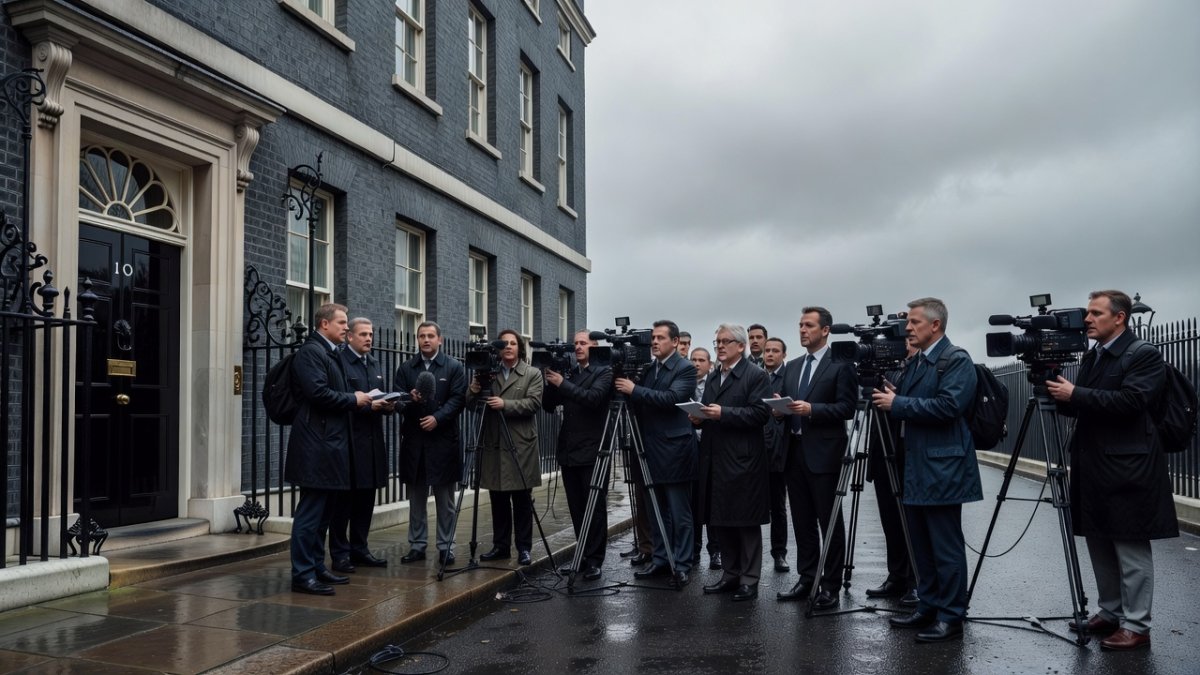
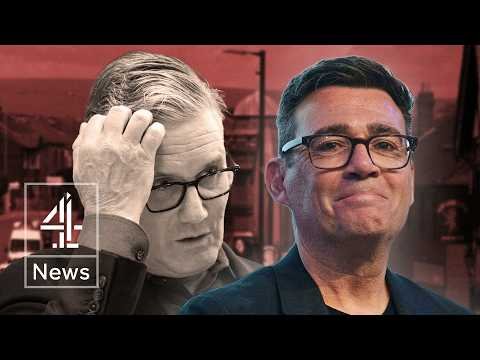
Cabinet allies presented Starmer with a clear deadline, demanding he set out a departure timetable by the end of the weekend. Transport Secretary Heidi Alexander was among those urging him to “set out a timetable to quit this summer,” reflecting the depth of ministerial frustration. Up to 200 Labour MPs were reportedly prepared to sign Andy Burnham’s nomination papers should a formal leadership challenge materialise. This level of organisation within the parliamentary party indicates that the rebellion extends far beyond the usual suspects and reaches into the mainstream of the 2024 intake. The coordinated nature of the interventions suggests significant pre-planning rather than spontaneous outrage. Ministers have concluded that Starmer’s continued presence damages their own re-election prospects in marginal seats across the north. The Channel 4 News video titled “Starmer faces calls to resign after Burnham Makerfield win” captured the public dimension of what had previously been private conversations. The speed with which the ultimatum was delivered reflects the party’s fear that further delay will allow Reform UK to consolidate its gains. Starmer now faces the reality that his authority has evaporated within his own government.
Leadership Contest Mechanics and Burnham’s Path
Under Labour’s rules, any candidate requires the support of 20 per cent of the Parliamentary Labour Party to secure a place on the leadership ballot. With approximately 200 MPs already indicating willingness to nominate Burnham, this threshold would be comfortably cleared. The mechanics favour established figures with broad parliamentary backing, reducing the likelihood of a prolonged or chaotic contest. Wes Streeting has been mentioned as a potential alternative candidate, though his support appears narrower than Burnham’s at this stage. The former health secretary’s profile appeals to some centrist MPs, yet he lacks Burnham’s depth of connection to northern voters. The nomination process is expected to move swiftly once Starmer confirms his intentions, with Burnham positioned as the frontrunner. Party rules also allow for a members’ ballot, where Burnham’s personal popularity across the wider Labour movement would likely prove decisive. The combination of parliamentary and grassroots support creates a formidable platform that few could realistically challenge. Observers expect the contest to focus on questions of devolution and economic strategy rather than the culture-war issues that dominated earlier leadership debates.
Policy Implications for Planning, Green Investment and Pay
Burnham’s elevation would carry immediate consequences for national policy on planning reform, green investment and public sector pay. His record as Greater Manchester Mayor demonstrates a preference for locally negotiated solutions over top-down Whitehall directives. Planning reform, a key Starmer priority, would likely face greater scrutiny if regional leaders gained stronger veto powers. Green investment strategies could shift towards city-region priorities rather than national infrastructure projects favoured by the current Treasury. Public sector pay negotiations would also encounter a more assertive regional voice, particularly in health and transport where Burnham has already secured above-average settlements. These shifts would mark a departure from the centralised model that characterised Starmer’s first two years in office. Ministers aligned with Burnham argue that greater devolution of fiscal powers would improve both efficiency and democratic accountability. The Makerfield result has strengthened the case for accelerating the devolution agenda across England’s city-regions. Any new leadership would inherit pressure to deliver tangible change on these fronts within the first year.
Devolution Pressures and Red Wall Volatility
The implications extend beyond England to Scotland, Wales and Northern Ireland, where renewed English devolution demands could reshape the constitutional debate. Burnham’s victory has already prompted renewed calls for greater fiscal autonomy in the devolved nations. Red Wall voter volatility across Lancashire, Greater Manchester and West Yorkshire remains acute, with Reform UK continuing to poll strongly in seats Labour held narrowly in 2024. The 2024 general election delivered Labour a landslide built on historically low vote share, leaving many northern constituencies exposed to further swings. Makerfield’s result demonstrates that these voters are willing to abandon Labour when presented with a credible local alternative. The pattern suggests that without rapid renewal, additional by-elections and the next general election could see further losses. Burnham’s ability to reverse Reform’s local election gains offers a potential template, yet it relies on his personal brand rather than national party messaging. The structural weakness exposed in 2024 has not been addressed and may now prove terminal under current leadership.
The Road Ahead and the End of an Era
Starmer’s departure appears inevitable following the coordinated weekend interventions and the scale of Burnham’s personal mandate. The Prime Minister’s record-low approval ratings and the party’s inability to defend its northern heartlands have combined to create an unsustainable position. Whether he resigns on 22 June as widely expected or delays until after further consultations, the direction of travel is clear. Burnham enters any contest with significant advantages in both parliamentary nominations and public recognition. The coming days will determine whether Labour can stabilise its position or whether the Makerfield result marks the beginning of a prolonged period of opposition. For now, the focus remains on Starmer’s response and the speed with which the party moves to select new leadership. The 2026 by-election has delivered a verdict that Westminster can no longer ignore.
By Erica Thornton, Staff Writer
This article was produced with AI-assisted research and editorial support. Reporting is based on sources cited in the article.
What's Your Reaction?
 Like
0
Like
0
 Dislike
0
Dislike
0
 Love
0
Love
0
 Funny
0
Funny
0
 Wow
0
Wow
0
 Sad
0
Sad
0
 Angry
0
Angry
0

US Politics and Policy Correspondent at Global1.News. Based in Washington DC, covering American politics, policy, elections, and the courts. Knows how the system works and tells you what it actually means.













Comments (0)