
Stray Kids' Felix and the 2026 Hanbok Wave: South Korea's Cultural Diplomacy Strategy
The Institutional Architecture of the Hanbok Wave The Ministry of Culture, Sports and Tourism announced on 17 June 2026 that Felix of Stray Kids would serve as the seventh Hanbok Wave cultural artist. The project operates through a formal partnership between MCST’s Culture and Arts Policy Office and the Korea Craft and Design Foundation. This seven-year continuity reflects deli
The Institutional Architecture of the Hanbok Wave
The Ministry of Culture, Sports and Tourism announced on 17 June 2026 that Felix of Stray Kids would serve as the seventh Hanbok Wave cultural artist. The project operates through a formal partnership between MCST’s Culture and Arts Policy Office and the Korea Craft and Design Foundation. This seven-year continuity reflects deliberate policy design rather than ad-hoc promotion.
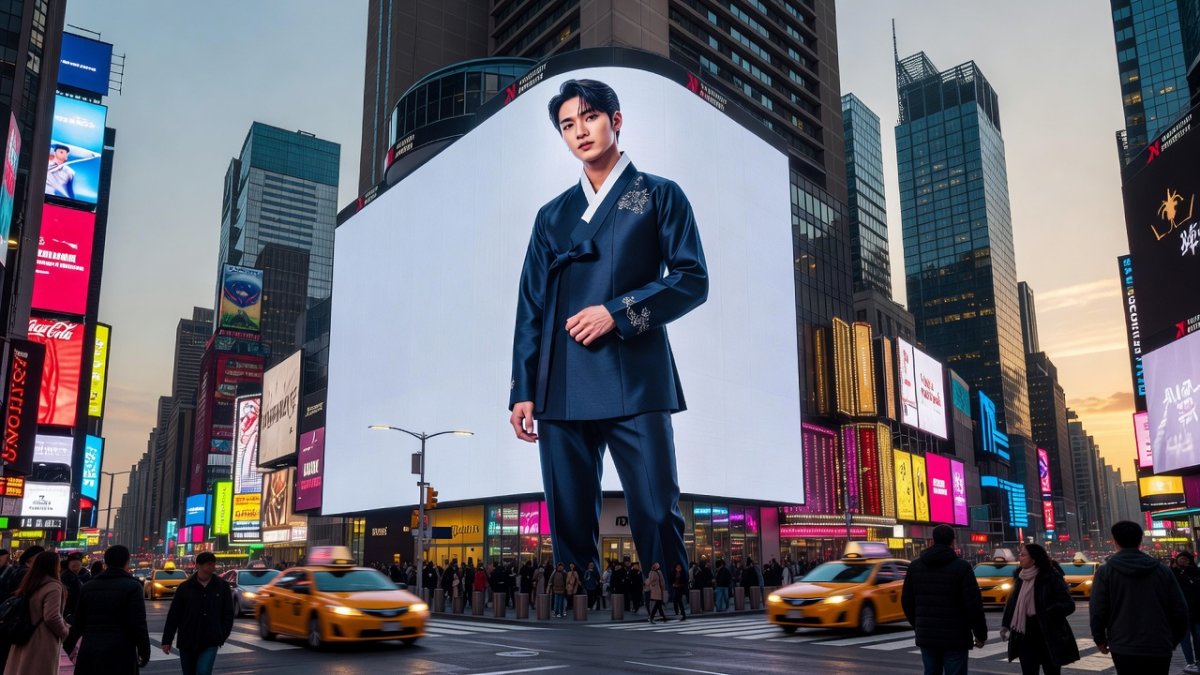
Applications from hanbok enterprises opened on the announcement date and close 10 July 2026. Five small and medium-sized firms will each produce ten designs. The resulting garments will feature in pictorials and campaigns scheduled for Seoul, New York, Paris, and Milan. Such structured timelines illustrate how MCST translates cultural objectives into measurable export activities.
K-Pop Idols as Instruments of Public Diplomacy
Successive Korean administrations have integrated entertainment figures into official diplomacy. Previous Hanbok Wave ambassadors—Kim Yuna, Suzy, Kim Tae-ri, and Park Bo-gum—demonstrate a consistent pattern of selecting individuals with established international recognition. Felix’s appointment extends this approach by adding an Australian-born member of a globally touring group.
Director General Jung Hyang-mi stated that international interest in hanbok is “hotter than ever” and that the project aims to position the garment as wearable content. This language aligns with MCST’s broader mandate to convert Hallyu visibility into sustained demand for Korean design products.
The Korean Diaspora Dimension in Cultural Outreach
Felix’s selection carries particular significance for diaspora engagement. Born in Australia, he embodies the overseas Korean population that South Korea has increasingly sought to incorporate into national branding. Government strategies now treat diaspora members not merely as cultural consumers but as credible transmitters of Korean aesthetics abroad.
This approach mirrors earlier efforts in education and economic diplomacy where overseas Koreans serve as intermediaries. By placing Felix at the center of hanbok promotion, MCST signals that Korean identity is compatible with multicultural backgrounds, thereby widening the appeal of traditional attire beyond domestic or ethnic boundaries.
Soft Power Competition in Northeast Asia
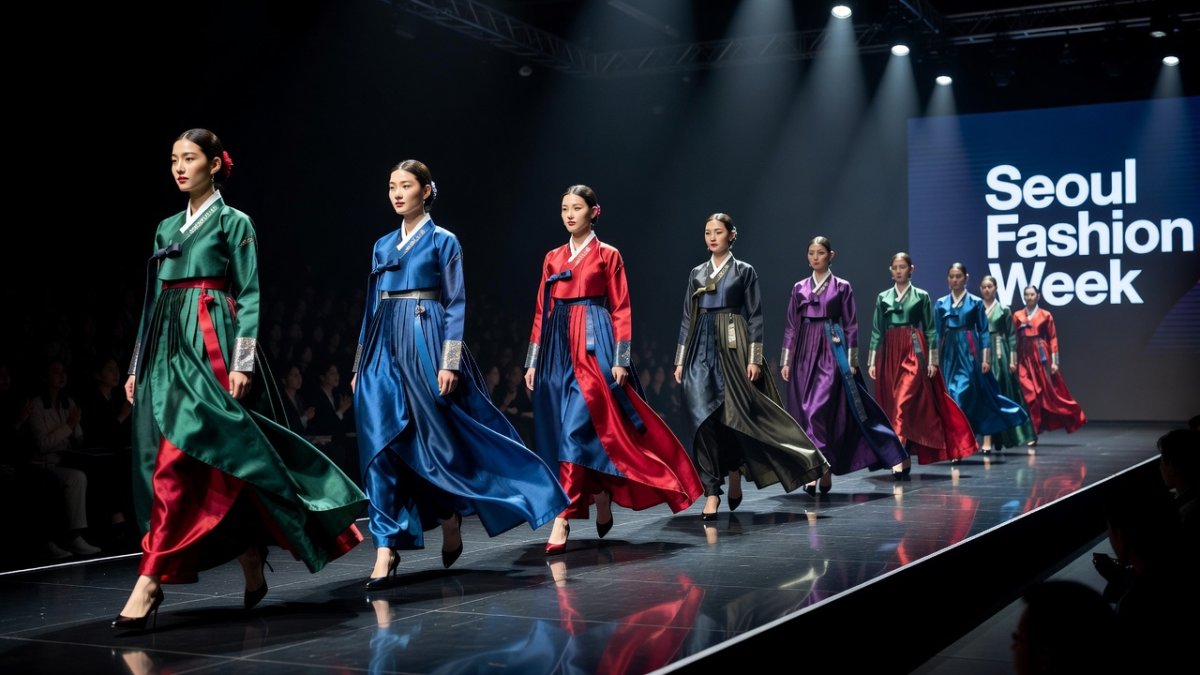
South Korea’s coordinated use of popular culture contrasts with approaches taken by neighboring states. While Japan relies on established fashion houses and China emphasizes state media narratives, Korea has developed a hybrid model that fuses government funding with idol-driven visibility. The Hanbok Wave’s placement of billboards in New York, Paris, and Milan directly targets the global luxury market where cultural prestige is contested.
Over seven iterations, the program has moved from raising basic awareness to attempting commercial integration. Each selected enterprise receives structured support to translate traditional techniques into contemporary silhouettes suitable for international editorial and retail contexts.
Strategic Implications for Korean Foreign Policy
Cultural diplomacy through hanbok complements conventional foreign policy instruments. By embedding traditional clothing within Hallyu narratives, South Korea projects a coherent national image that links historical craftsmanship with contemporary creativity. This linkage supports broader objectives in public diplomacy, including tourism recovery and premium export positioning.
The institutional stability of the Hanbok Wave—maintained across multiple administrations—suggests that cultural promotion has achieved bureaucratic consensus. Future evaluations will likely measure success not only in media impressions but in measurable growth for participating hanbok firms in overseas markets.
Policy Continuity and Measurement Challenges
Seven years of operation provide a longitudinal dataset for assessing effectiveness. Earlier ambassadors generated increased domestic media coverage and some international editorial placements. The 2026 iteration introduces explicit fashion-capital billboard placements, raising the bar for quantifiable outcomes.
MCST and KCDF will need to track both brand exposure metrics and actual sales data from the five participating enterprises. Without such indicators, claims of successful cultural diplomacy remain difficult to substantiate beyond anecdotal evidence.
By Prof. David Park, Staff Writer
This article was produced with AI-assisted research and editorial support. Reporting is based on sources cited in the article.
What's Your Reaction?
 Like
0
Like
0
 Dislike
0
Dislike
0
 Love
0
Love
0
 Funny
0
Funny
0
 Wow
0
Wow
0
 Sad
0
Sad
0
 Angry
0
Angry
0

East Asia/Technology Correspondent at Global1.News. Seoul-based voice covering Korean politics, technology, business, and culture. Analyzes how technology and geopolitics intersect across East Asia.










Comments (0)