
Researchers identify the simplest way to help your cat live longer
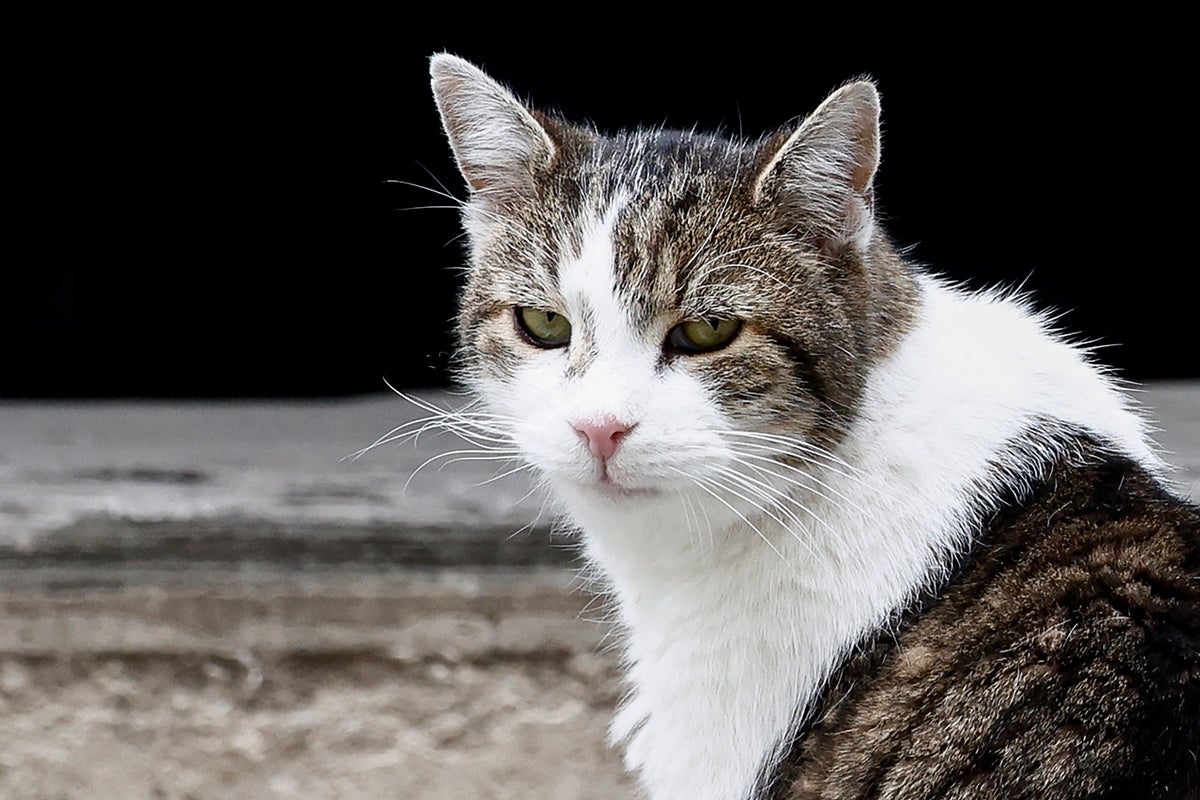
The decision to keep a cat indoors or allow it to roam freely outdoors has long divided pet owners, yet fresh analysis from experts underscores a stark and measurable consequence: outdoor cats typically live two to three years fewer than those kept contained. This gap, drawn from veterinary estimates, arrives at a time when cat ownership continues to rise across Britain and beyond, prompting renewed scrutiny of how everyday choices shape animal welfare. For millions of households, the finding reframes what might once have seemed a minor lifestyle preference into a decisive factor in a pet’s longevity.
The implications extend beyond individual homes. As urbanisation increases and roads grow busier, the data highlights a preventable reduction in feline lifespan that owners can address through simple containment. Rather than relying on complex diets or expensive treatments, the clearest route to extending a cat’s life lies in controlling its environment from the outset.
The Scale of the Lifespan Difference
Veterinary researchers have consistently observed that contained cats enjoy a measurable advantage in survival. The two-to-three-year differential represents a substantial portion of an average feline lifespan, which generally ranges between twelve and fifteen years depending on breed and health. When scaled across the UK’s estimated population of more than ten million domestic cats, even a modest extension per animal translates into millions of additional years of life collectively. This disparity does not arise from a single cause but reflects cumulative exposure to external threats. Contained cats avoid the daily risks that accumulate outdoors, allowing them to reach older ages with fewer acute injuries or chronic conditions. Owners who have already adopted indoor-only policies often report their pets reaching the upper end of expected lifespans, lending anecdotal weight to the statistical pattern.Why Outdoor Life Shortens Feline Years
The outdoors presents a range of hazards that compound over time. Traffic collisions remain among the most immediate dangers, particularly in suburban and rural settings where cats may cross roads regularly. Fights with other animals introduce both physical trauma and the transmission of diseases such as feline immunodeficiency virus, which can shorten life even when initial wounds heal. Predators, including foxes in some regions, add further pressure, especially for younger or smaller cats. Beyond acute incidents, outdoor cats face greater likelihood of ingesting toxins or encountering parasites that require ongoing veterinary intervention. These factors do not merely reduce lifespan; they also diminish quality of life through repeated stress and recovery periods. In contrast, contained environments eliminate these variables, allowing cats to maintain steadier health trajectories. The data therefore positions containment as the single most effective intervention available to the average owner, requiring no specialised equipment beyond secure doors and windows.Creating an Enriching Indoor Environment
Transitioning a cat to indoor living need not equate to boredom or restriction. Modern understanding of feline behaviour emphasises the importance of vertical space, puzzle feeders and scheduled play sessions that replicate hunting patterns. Shelves, window perches and interactive toys can satisfy a cat’s natural curiosity while keeping it safely inside. Many owners find that once initial adjustment periods pass, their pets display reduced anxiety and fewer behavioural issues linked to territorial disputes. Veterinarians increasingly recommend gradual introduction methods, such as supervised outdoor time on harnesses or the installation of secure catios, for those reluctant to abandon all external access. These hybrid approaches still deliver the core benefit of controlled exposure, preserving much of the lifespan advantage while accommodating owner preferences. The key lies in consistency: intermittent roaming quickly reintroduces the very risks the containment strategy seeks to avoid.Broader Consequences for Pet Ownership
The findings carry implications for animal welfare policy and public education. Shelters and rescue organisations may incorporate containment guidance into adoption counselling, helping new owners set realistic expectations from the start. Insurance providers could eventually adjust premiums to reflect lower risk profiles for indoor cats, creating financial incentives that align with health outcomes. At a societal level, the data challenges the long-held assumption that outdoor access constitutes an essential component of responsible cat care. Critics sometimes argue that denying outdoor access conflicts with a cat’s innate desires, yet the evidence suggests the trade-off favours longevity. Cats adapt readily to enriched indoor spaces, and the alternative—permitting free roaming—carries documented costs that accumulate year after year. As awareness spreads, cultural norms around cat ownership may shift toward greater acceptance of contained living, much as lead safety and seatbelt usage once transformed everyday practices.What Comes Next for Owners and Researchers
Future studies will likely refine these estimates by tracking larger cohorts over extended periods, potentially identifying additional variables such as neighbourhood density or access to veterinary care. In the meantime, owners can act immediately by assessing their current arrangements and implementing containment measures where feasible. Small changes, such as fitting cat-proof screens or dedicating daily enrichment time, yield compounding returns in health and lifespan. The central message remains straightforward: the simplest adjustment available to most households produces the clearest benefit. As more owners recognise this link between environment and longevity, the two-to-three-year gap may begin to narrow across the wider cat population.By Erica Thornton, Staff Writer
This article was produced with AI-assisted research and editorial support. Reporting is based on sources cited in the article.
What's Your Reaction?
 Like
0
Like
0
 Dislike
0
Dislike
0
 Love
0
Love
0
 Funny
0
Funny
0
 Wow
0
Wow
0
 Sad
0
Sad
0
 Angry
0
Angry
0

Erica Thornton
US Politics and Policy Correspondent at Global1.News. Based in Washington DC, covering American politics, policy, elections, and the courts. Knows how the system works and tells you what it actually means.















Comments (0)