
Marine Killed in Mazatlán Ambush as Sinaloa Clashes Escalate
Marine Killed in Saturday Ambush Near Mazatlán Raises Fresh Fears The Security Ministry confirmed that one marine lost his life when his unit came under attack on Saturday in the San Marcos neighborhood of Mazatlán, Sinaloa. Three additional marines were wounded in the confrontation that authorities attribute to the Los Chapitos faction of the Sinaloa Cartel. The incident has l
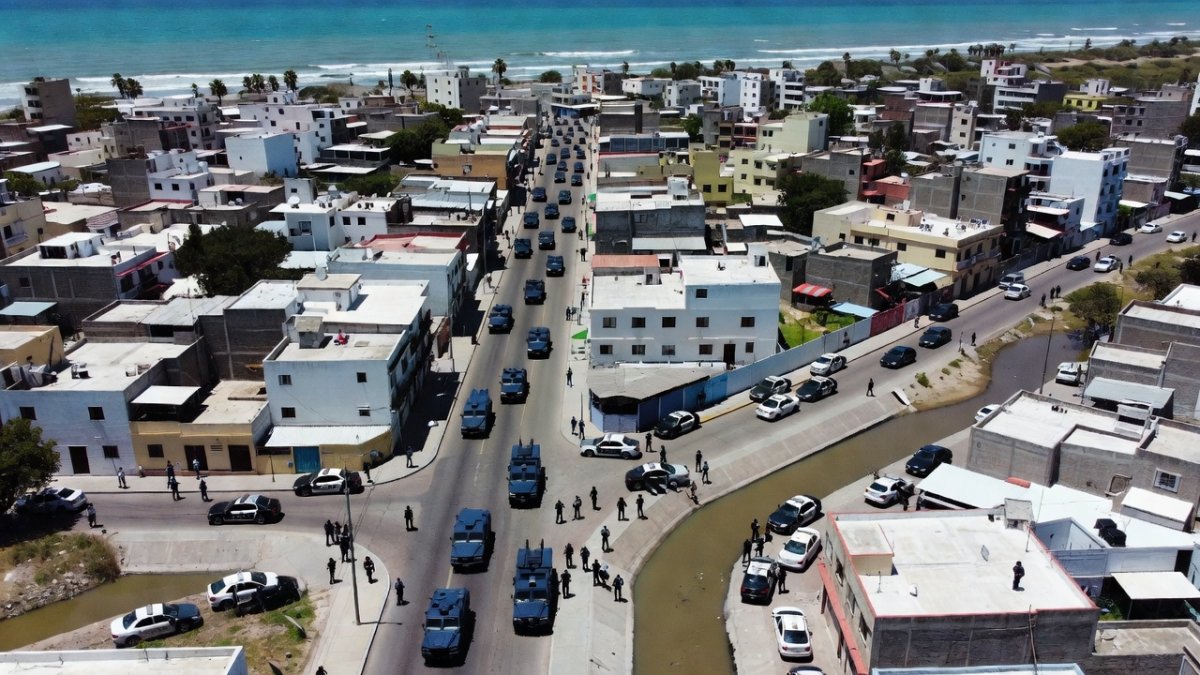
Marine Killed in Saturday Ambush Near Mazatlán Raises Fresh Fears
The Security Ministry confirmed that one marine lost his life when his unit came under attack on Saturday in the San Marcos neighborhood of Mazatlán, Sinaloa. Three additional marines were wounded in the confrontation that authorities attribute to the Los Chapitos faction of the Sinaloa Cartel. The incident has left families in coastal colonias and nearby rural communities feeling more vulnerable than ever.
Parents who normally walk their children to school now hesitate at the door. Small business owners along the waterfront wonder whether customers will return. The loss of a single marine reverberates through households that already live with the daily uncertainty of factional fighting between Los Mayos and Los Chapitos. Residents recall how quickly routine days can turn into nights of closed shutters and canceled plans.
Local leaders emphasize that the pain reaches beyond the fallen service member to every family that depends on stable security for work, education, and simple gatherings at the taquería. The SSPC statement made clear the attack was not part of a search operation but occurred during preventive patrol work. That distinction matters to communities who want to understand why violence arrived on an ordinary Saturday.
The Ambush: How It Unfolded in San Marcos
Navy personnel were conducting a routine patrol along rivers and dams to monitor water levels ahead of the rainy season when armed attackers struck without warning in the San Marcos neighborhood. The assailants used improvised explosive devices to ambush the marines, turning a standard preventive mission into a deadly encounter. The SSPC later attributed the attack to the Los Chapitos faction and reported that three Colombian nationals were taken into custody afterward.
Three marines sustained injuries during the exchange. Two are now reported out of danger, while one remains in serious condition. Authorities seized weapons, ammunition, and tactical equipment at the scene. The presence of foreign nationals among those detained has prompted additional questions in Sinaloa about shifting alliances within the broader criminal landscape.
" class="img-fluid" alt="Security forces at the scene in Mazatlán">
Community members in San Marcos describe the sudden noise and confusion that followed the blasts. Families living near the riverbanks say they have grown accustomed to seeing patrols but never expected an attack during flood-monitoring work. The incident underscores how even non-combat missions now carry heightened risk in areas where factional disputes continue to simmer.
Second Clash in El Rosario: 180 Kilometers of Pursuit
After the initial ambush, federal forces increased their presence across the region, leading to a second confrontation in the municipality of El Rosario roughly 180 kilometers north of Mazatlán. In that engagement, authorities reported ten criminals killed and three more detained. The Security Cabinet posted condolences on social media, expressing solidarity with the family of the fallen marine and his colleagues.
The sequence of events shows how one incident can trigger wider tactical deployments across Sinaloa. State and federal agencies coordinated quickly to prevent further ambushes, yet the twin clashes illustrate the persistent challenge of containing violence that spans multiple municipalities. Residents along the corridor between Mazatlán and El Rosario watched checkpoints multiply and traffic slow as operations continued into the weekend.
Local business owners note that such surges in security presence can both reassure and disrupt daily commerce. Farmers transporting produce from ejidos found roads temporarily restricted, while families planning weekend visits adjusted their routes. The rapid response demonstrates coordination among SEMAR, SSPC, and other forces, yet it also reminds communities that the underlying factional conflict remains unresolved.
Sinaloa's Enduring Crisis: Two Years of Factional Warfare
The current wave of violence traces back to July 2024, when Ismael “El Mayo” Zambada was handed over to U.S. authorities by Joaquín Guzmán López, son of Joaquín “El Chapo” Guzmán. That betrayal ignited open conflict between the Los Mayos and Los Chapitos factions of the Sinaloa Cartel. El País has reported nearly 2,700 people killed in Sinaloa since the fighting intensified in September 2024.
On Monday, El Mayo announced through his lawyers that he will accept the life sentence he faces while requesting that his health condition be protected during incarceration. The announcement arrives amid continued operations by federal forces tasked with confronting organized crime and drug trafficking. Communities across the state have endured repeated cycles of confrontation that affect everything from school attendance to the movement of goods.
State authorities and the Guardia Nacional maintain visible patrols, yet residents say the rhythm of daily life has changed permanently. The legacy of the AMLO administration’s security policies and the current Sheinbaum administration’s approach both shape how these operations unfold. Families in rural areas and colonias continue to adapt to a landscape where factional disputes can erupt without notice.
Community Impact: How Violence Shapes Daily Life in Sinaloa's Colonias and Rural Areas
Parents in Mazatlán colonias now discuss whether to keep children home on days when patrols increase. Tianguis vendors report fewer customers willing to linger after dark, while taquerías close earlier to avoid stray risks. Farmers belonging to ejidos face delays moving produce when checkpoints appear along key routes, cutting into already thin margins.
Indigenous communities have restricted movement between villages, limiting access to markets and medical care. The psychological weight of living near areas where IEDs have been used adds another layer of stress for healthcare workers and students alike. Small business owners describe lost revenue that ripples through entire neighborhoods when fear keeps people indoors.
These effects touch every generation. Grandparents worry about grandchildren walking to school, while young adults reconsider plans to start businesses in their home communities. The human cost extends far beyond casualty counts to the quiet decisions families make each morning about safety and survival.
What Communities Can Do and What to Watch For
Residents are encouraged to stay informed through official SSPC and municipal channels rather than unverified social media posts. Reporting suspicious activity to the Guardia Nacional or state police remains an important step for collective safety. Organized neighborhood check-ins can help ensure elderly residents have support during periods of heightened tension.
" class="img-fluid" alt="Community members gathering for safety briefing">
Observers should watch for announcements from the Security Cabinet and updates delivered during the mañanera by the Sheinbaum administration. Increased military checkpoints often signal ongoing operations, while statements from Sinaloa state authorities can clarify local restrictions. Community vigilance paired with official information helps families make informed choices without spreading rumors.
Local organizations continue to explore ways to support students and workers whose routines have been disrupted. These practical steps reflect the resilience of Sinaloa communities that have learned to navigate uncertainty while advocating for lasting security improvements.
Government Response and the Road Ahead
Joint operations involving SEMAR, SSPC, and other federal forces continue across Sinaloa as authorities work to prevent additional ambushes. The FGR is handling legal proceedings for the three detained suspects, while state governments coordinate with national agencies on broader security measures. The Sheinbaum administration has emphasized both sovereignty and the need for effective bilateral cooperation with the United States.
The recent violence occurs against a backdrop of ongoing discussions about how the El Mayo case affects cross-border relations. Communities hope that sustained coordination among agencies will reduce the frequency of clashes that have already claimed thousands of lives since September 2024. Families in colonias and rural areas await clearer signs that daily life can return to a safer rhythm.
Local leaders stress that lasting progress requires attention to the economic and social pressures that allow criminal groups to recruit. As operations proceed, residents remain focused on protecting their children, businesses, and traditions amid the challenges that continue to shape Sinaloa.
Tags: Mazatlán, Sinaloa, cartel violence, marine death, SSPC, SEMAR, Los Chapitos, community safety, El Rosario, El Mayo Zambada, Sinaloa Cartel, San Marcos neighborhood
By Rosa Martinez, Staff Writer
This article was produced with AI-assisted research and editorial support. Reporting is based on sources cited in the article.
What's Your Reaction?
 Like
0
Like
0
 Dislike
0
Dislike
0
 Love
0
Love
0
 Funny
0
Funny
0
 Wow
0
Wow
0
 Sad
0
Sad
0
 Angry
0
Angry
0
Latin America/Andes Correspondent at Global1.News. Based in Bogota, covering politics, environment, energy, and social movements across the Andean region. Passionate about environmental journalism and communities protecting their land.













Comments (0)