
Protests Converge on Mexico City Stadium for World Cup Opener as Diverse Groups Seek Justice
The Gathering Storm: Seven Marches Head to the Stadium In the days leading up to the World Cup opener, Mexico City has prepared for a convergence of voices that reflects deep community concerns across the capital. At least seven distinct protest marches are scheduled to depart from southern neighborhoods and arrive at Mexico City Stadium precisely at 1 p.m. on Thursday, June 11
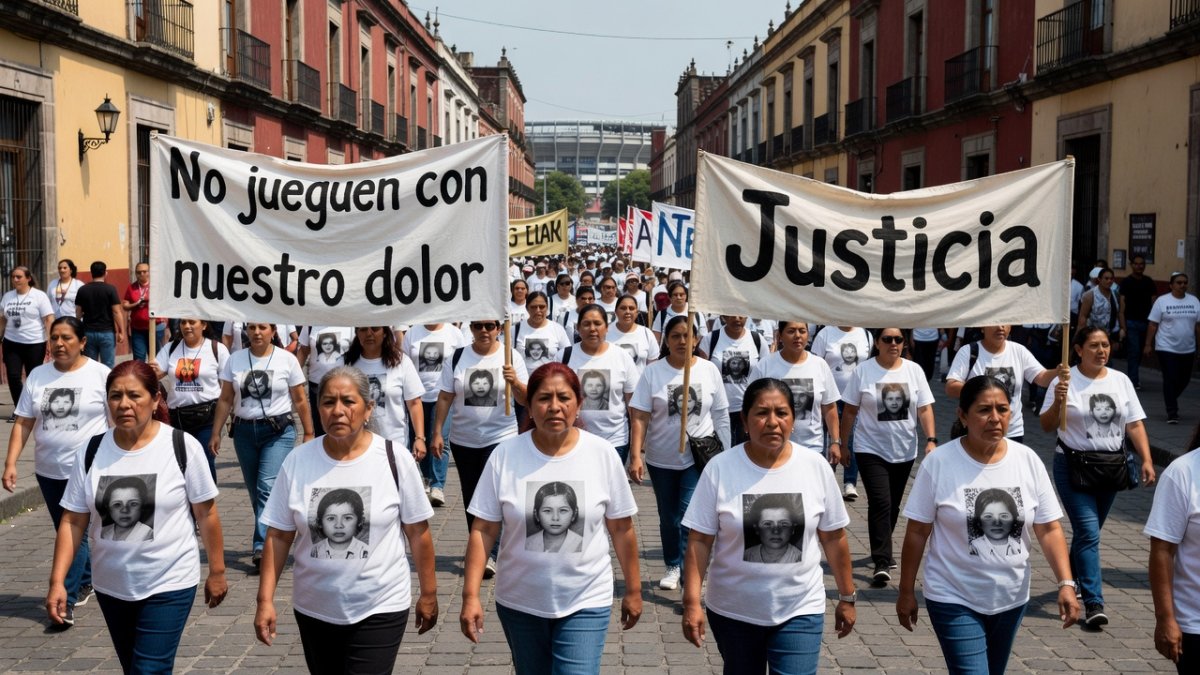
The Gathering Storm: Seven Marches Head to the Stadium
In the days leading up to the World Cup opener, Mexico City has prepared for a convergence of voices that reflects deep community concerns across the capital. At least seven distinct protest marches are scheduled to depart from southern neighborhoods and arrive at Mexico City Stadium precisely at 1 p.m. on Thursday, June 11, 2026, coinciding with the kickoff between Mexico and South Africa. These routes wind through familiar colonias where families gather at tianguis markets and tortillerías, carrying the everyday rhythms of life into a moment of national visibility.
The 17-kilometer distance from central areas to the Coyoacán borough venue underscores the determination of participants who represent madres buscadoras, CNTE teachers, retired Pemex and CFE workers, transport workers, farmers, healthcare workers, and anti-gentrification activists. Organizers have emphasized zero violence and zero provocations, echoing calls from the Hasta Encontrarles collective for peaceful expression. Social media messages remind everyone that the eyes of the world will be watching Mexico during this co-hosted tournament with the United States and Canada.
Background from earlier actions shows the resolve of these groups. On Tuesday, CNTE teachers attempting to approach the stadium were blocked by police, yet the movement continued planning multiple paths. This coordination across seven starting points allows broader participation from campesinos and urban workers alike, turning the journey itself into a statement of unity rooted in Mexico’s long tradition of collective action.
Community impact analysis reveals how these marches intersect with daily life in southern boroughs. Residents near the stadium already face rising pressures, and the protests bring attention to shared struggles without disrupting the tournament’s spirit. Forward-looking insight suggests that such visible demonstrations could shape ongoing dialogues between civil society and authorities long after the 39-day event concludes.
Voices of the Disappeared: Madres Buscadoras Lead the Way
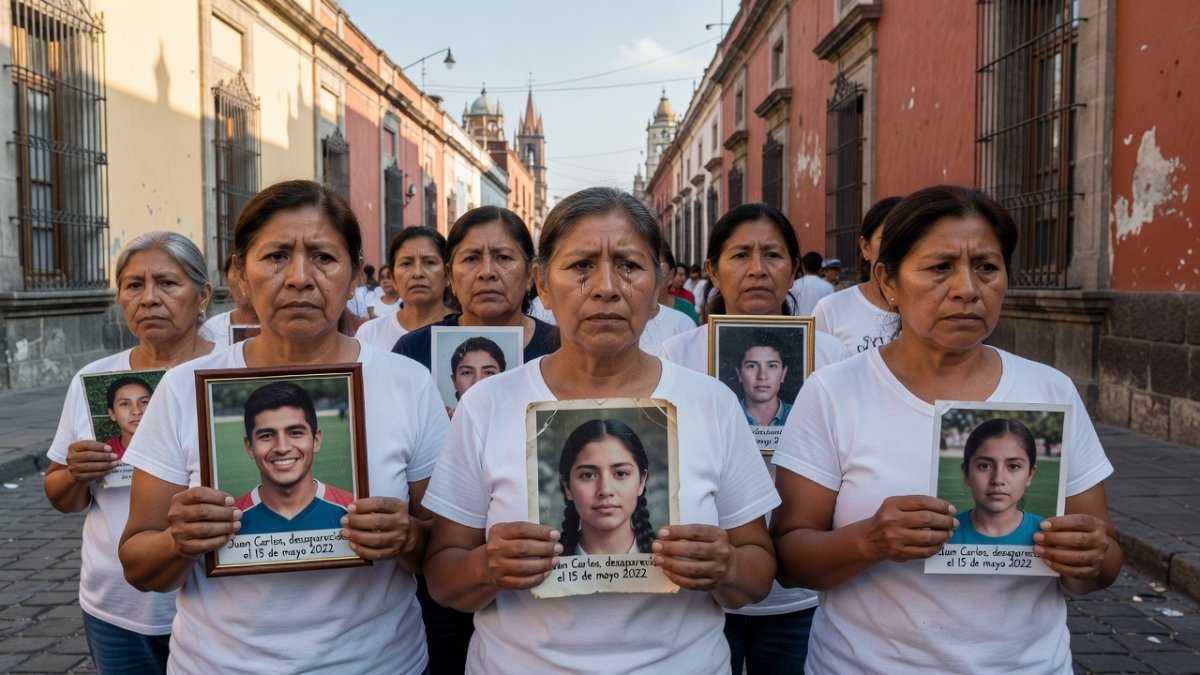
Madres buscadoras form a central presence among the seven marches, driven by the urgent need for greater government support and resources to locate their missing loved ones. As of May 25, 2026, 134,460 people are officially registered as missing in Mexico, a figure that weighs heavily on families across countless colonias. Their slogan, “Don’t play with our pain,” captures the emotional core of their participation, reminding spectators that the World Cup spotlight must also illuminate ongoing human rights concerns.
These women have traveled from various regions, often walking long distances through rural and urban landscapes shaped by the AMLO legacy of social programs. Their presence at the stadium draws parallels to historical movements where mothers have stood at the forefront of demands for truth and accountability. Amnesty International is observing the marches and has specifically called for protection of these women searchers, recognizing the risks they face while pursuing justice.
Community-centered reporting highlights how the madres buscadoras connect with other groups on the route. Healthcare workers and transport workers marching alongside them share stories of families torn apart, fostering solidarity that extends beyond the event. This intersection amplifies calls for more resources from agencies under the Presidencia and Congreso.
Forward-looking insight points to potential policy discussions following the tournament. With 13 matches scheduled across Mexico City, Guadalajara, and Monterrey, the visibility of these mothers could encourage sustained investment in search efforts coordinated by relevant federal bodies, ensuring that the pain of disappearance remains part of the national conversation.
Educators and Workers Demand Justice
CNTE teachers are marching with clear demands for a 100 percent pay raise and the repeal of a 2007 pension law that continues to affect their livelihoods. These educators, many serving in public schools throughout the capital’s southern boroughs, view the World Cup opener as an opportunity to place labor issues before an international audience. Their earlier march toward the stadium, which police blocked on Tuesday, demonstrated the persistence that defines their movement.
Retired Pemex and CFE workers join them, highlighting decades of service to Mexico’s energy sector and the need for fair treatment after years of contribution. Farmers and transport workers add their voices, representing the backbone of rural and urban economies that sustain communities from tianguis stalls to larger supply chains. Healthcare workers from IMSS and ISSSTE facilities round out the coalition, underscoring strains on public services that touch every family.
Historical parallels emerge when considering past labor mobilizations in Mexico City, where teachers and energy workers have long advocated for dignity. The current convergence at Coyoacán builds on those traditions while adapting to the unique platform of the 2026 tournament co-hosted with neighboring nations.
Community impact analysis shows how these demands resonate locally. Families relying on stable pensions and wages feel the effects in daily decisions about education and healthcare. Forward-looking insight suggests that peaceful resolution could strengthen ties between Morena-led initiatives and civil society, fostering reforms that honor the contributions of workers across generations.
Local Residents Stand Against Gentrification in Coyoacán
Residents living near the stadium in Coyoacán borough have organized their own segment of the marches to protest rising housing costs, limited water access, and accelerating gentrification. These communities, long rooted in the area’s cultural fabric, see the World Cup as both an opportunity and a challenge that could further displace longtime neighbors. Their participation ensures that local voices remain central to discussions about development around the venue.
Water access issues, in particular, affect daily routines in colonias where families depend on reliable supplies for homes and small businesses. Anti-gentrification activists link these concerns to broader patterns seen in other Mexican cities, drawing on the AMLO legacy of prioritizing community needs over unchecked growth. The seven starting points allow these residents to connect directly with arriving groups from farther south.
Background context includes ongoing tensions between tourism-driven projects and neighborhood preservation. With 100,000 security officers deployed for the tournament, residents hope the focus remains on dialogue rather than restriction, aligning with President Sheinbaum’s stated approach.
Forward-looking insight emphasizes the potential for post-tournament planning that incorporates resident input. Ensuring that infrastructure improvements benefit existing communities could turn the World Cup into a lasting positive for Coyoacán families rather than a source of further displacement.
Government Response: Sheinbaum’s Commitment to Peaceful Protest
President Sheinbaum has promised that authorities will not use force against the protesters, a stance that reflects a preference for dialogue during this high-profile international event. A work-from-home decree for federal employees on Thursday, combined with the suspension of classes, aims to reduce congestion and allow space for expression. These measures demonstrate coordination across the Presidencia and related agencies to balance security with civic rights.
The deployment of 100,000 security officers, including elements from the Guardia Nacional and SEMAR, underscores the scale of preparations for the 39-day tournament. Yet the emphasis on protection rather than confrontation aligns with calls from Amnesty International and organizers for peaceful marches. Previous blocking of CNTE teachers has not deterred the overall plan, suggesting flexibility in approach.
Community impact analysis reveals how these policies affect everyday life. Families in southern boroughs appreciate the reduced disruption to routines, while still supporting the right to assemble. Historical parallels with past large-scale events show that measured responses can strengthen public trust.
Forward-looking insight indicates that this model of engagement could influence future interactions between the government and social movements. By prioritizing non-violence, the administration may set a precedent for handling protests during global gatherings hosted on Mexican soil.
The World Cup Spotlight: Mexico on the Global Stage
Thirteen matches across Mexico City, Guadalajara, and Monterrey place Mexico at the center of worldwide attention during the co-hosted tournament. The convergence of protests at the opener amplifies this visibility, turning the stadium into a site where athletic celebration meets social demands. Organizers stress that the marches seek to complement rather than overshadow the matches, inviting global observers to witness Mexico’s vibrant civil society.
Connections to PAN and Morena dynamics add layers to the political context, as parties navigate how best to address the concerns raised by diverse groups. The presence of campesinos and urban activists together highlights the breadth of participation that has long characterized Mexican public life.
Community-centered perspectives show how residents view the event as a chance to share their realities with visitors from the United States and Canada. This exchange can foster greater understanding of issues like missing persons and labor rights that extend beyond sports.
Forward-looking insight suggests lasting benefits if the tournament encourages sustained attention to these matters. Mexico’s role as host offers an opportunity to demonstrate both cultural richness and commitment to addressing community challenges in an open manner.
Tags: Mexico World Cup protests, Mexico City Stadium demonstrations, madres buscadoras, CNTE teachers, President Sheinbaum, Coyoacán gentrification, 2026 FIFA World Cup, missing persons Mexico, labor rights Mexico
By Rosa Martinez, Staff Writer
This article was produced with AI-assisted research and editorial support. Reporting is based on sources cited in the article.
What's Your Reaction?
 Like
0
Like
0
 Dislike
0
Dislike
0
 Love
0
Love
0
 Funny
0
Funny
0
 Wow
0
Wow
0
 Sad
0
Sad
0
 Angry
0
Angry
0
Latin America/Andes Correspondent at Global1.News. Based in Bogota, covering politics, environment, energy, and social movements across the Andean region. Passionate about environmental journalism and communities protecting their land.













Comments (0)