
President Lee Jae-myung Charts New Course for South Korea at 2026 NATO Summit
President Lee Jae-myung Charts New Course for South Korea at 2026 NATO Summit Seoul, South Korea – July 12, 2026 Lee's First NATO Summit: A Strategic Milestone President Lee Jae-myung arrived in Ankara on July 7, 2026, marking his first participation in a NATO Summit since assuming office. The gathering, hosted by Turkish President Recep Tayyip Erdogan and running through July
President Lee Jae-myung Charts New Course for South Korea at 2026 NATO Summit Seoul, South Korea – July 12, 2026
Lee's First NATO Summit: A Strategic Milestone
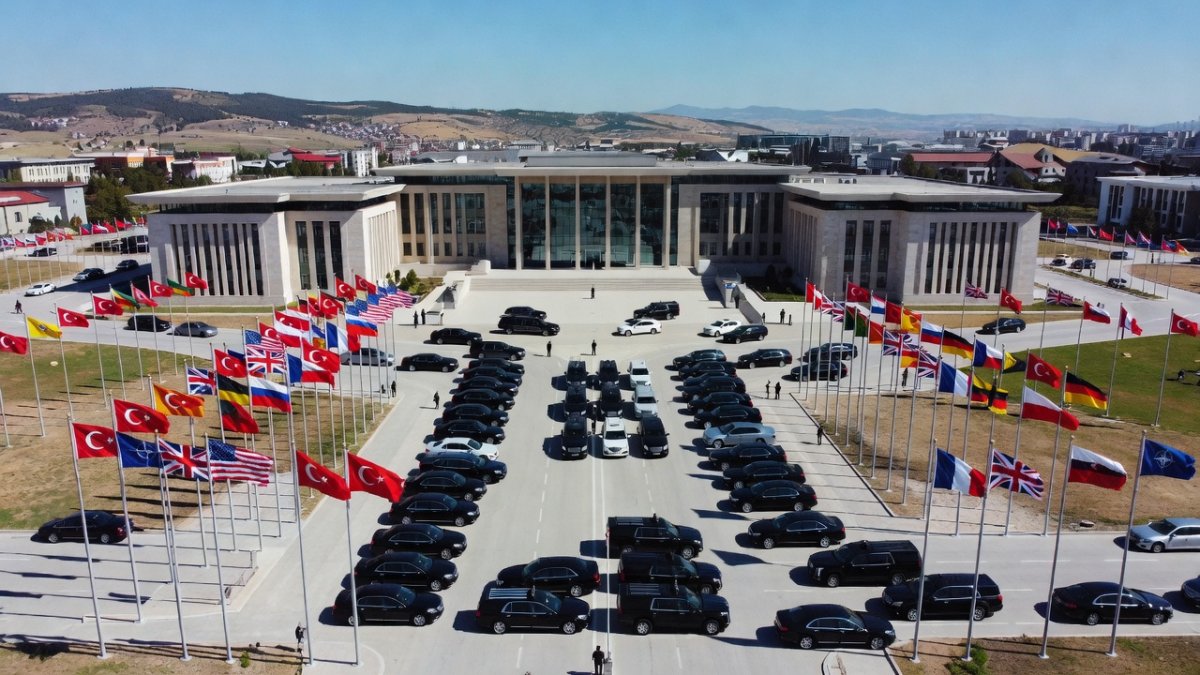
President Lee Jae-myung arrived in Ankara on July 7, 2026, marking his first participation in a NATO Summit since assuming office. The gathering, hosted by Turkish President Recep Tayyip Erdogan and running through July 11, provided the South Korean leader with an immediate platform to engage major powers on security and industrial cooperation. This debut occurs against the backdrop of South Korea’s gradual elevation from observer status in NATO partnerships to a more structured contributor in defense technology and logistics.
Lee’s presence underscores a deliberate shift in Seoul’s foreign policy orientation. Successive administrations have sought to diversify security alignments beyond the bilateral US-ROK treaty while maintaining the alliance as the cornerstone. The Ankara meetings therefore serve both symbolic and substantive purposes: they signal continuity in transatlantic engagement and allow Lee to test concrete proposals for expanded industrial roles. Historical precedent shows that South Korean presidents have used multilateral forums to recalibrate relations with both Washington and European capitals, particularly when Northeast Asian tensions intensify.
Domestic constituencies in Seoul are watching closely. Defense manufacturers and shipbuilders anticipate new contracts, while civil society groups emphasize the humanitarian dimensions of any engagement involving North Korean personnel. Lee must balance these expectations with the political imperative of demonstrating tangible diplomatic gains early in his term. The summit thus functions as an early stress test for his administration’s ability to translate multilateral visibility into bilateral deliverables.
Lee-Trump Meeting: Military Shipbuilding and the US-ROK Alliance
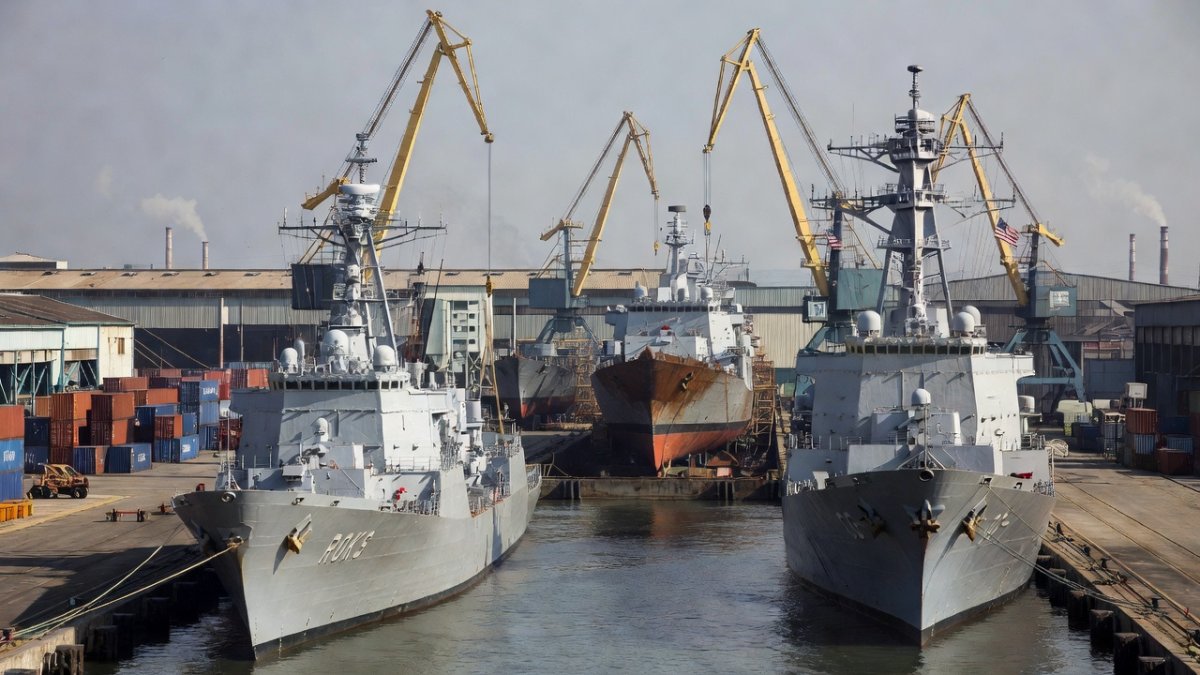
At the official NATO welcome dinner hosted by President Erdogan, Lee held follow-up discussions with US President Donald Trump concerning Trump’s earlier request for South Korean assistance in building US military vessels. The two leaders agreed to launch working-level consultations on military shipbuilding cooperation, establishing a structured channel for technical and contractual negotiations. This development builds directly on existing industrial strengths within South Korea’s heavy industry sector and aligns with Washington’s interest in diversifying naval construction capacity.
The agreement carries implications for alliance management. Shipbuilding cooperation extends beyond simple procurement to encompass joint design standards, supply-chain integration, and potential technology transfers. Such collaboration could strengthen interoperability between US and South Korean naval forces while generating employment in both countries. Korean shipyards have long demonstrated competitive advantages in commercial and military vessel construction; extending these capabilities to US programs represents a logical evolution of the alliance’s economic-security nexus.
Analysts note that this initiative also reflects broader US strategic priorities in the Indo-Pacific and Atlantic theaters. By involving a trusted treaty ally in sensitive production, Washington can mitigate capacity constraints while reinforcing political bonds. For Seoul, participation offers leverage in future alliance burden-sharing discussions and positions Korean firms for sustained revenue streams. The working-level mechanism agreed in Ankara will determine the pace and scope of implementation, requiring careful coordination among defense ministries, export control authorities, and industry representatives.
Lee-Zelensky Summit: North Korean POWs and Humanitarian Diplomacy
On July 8, Lee held his first summit meeting with Ukrainian President Volodymyr Zelensky. The two leaders reached an understanding on the handling of North Korean soldiers captured by Ukrainian forces, emphasizing humanitarian principles, respect for the individuals’ free will, and adherence to international law. Two North Korean prisoners of war, captured in Russia’s Kursk Oblast following their deployment by Pyongyang, have expressed a desire to defect to South Korea. This case illustrates the complex human dimensions arising from the deepening Pyongyang-Moscow military relationship.
The agreement avoids politicizing individual fates while upholding South Korea’s constitutional claim over all Koreans on the peninsula. Seoul’s approach prioritizes due process and protection under international humanitarian standards, consistent with past policies regarding defectors. Ukrainian authorities retain primary custody, yet the framework allows for orderly transfer should the individuals’ wishes be verified. This measured stance reduces the risk of escalation while preserving diplomatic space for future engagement.
The humanitarian channel also opens avenues for broader dialogue on post-conflict issues. Lee conveyed South Korea’s willingness to contribute to Ukraine’s reconstruction, leveraging Korean expertise in infrastructure, shipbuilding, and industrial recovery. Such offers align with Seoul’s interest in demonstrating responsible global citizenship and could yield long-term commercial and diplomatic returns once hostilities subside.
Korea-NATO 2.0: From Arms Exporter to Defense Partner
Lee used the Ankara platform to advance his concept of “Korea-NATO 2.0,” envisioning South Korea’s transition from a leading arms exporter to a comprehensive defense partner capable of constructing military vessels for NATO allies. This framing moves beyond one-off sales toward sustained industrial collaboration, maintenance agreements, and joint research initiatives. The proposal responds to NATO members’ growing demand for reliable suppliers amid heightened European security requirements.
Implementation would require adjustments in export licensing, technology safeguards, and workforce training. Korean shipyards already possess the scale and technical sophistication to meet demanding specifications; the challenge lies in aligning regulatory frameworks across multiple jurisdictions. Successful execution could elevate South Korea’s standing within NATO’s defense industrial base while generating economies of scale for domestic programs.
Regional observers in Northeast Asia will interpret this initiative through the lens of alliance dynamics. Enhanced NATO ties may complicate relations with China and Russia, yet they also provide Seoul with additional diplomatic tools when managing peninsula security. The 2.0 concept therefore represents both an economic opportunity and a strategic hedge.
The Pyongyang-Moscow Axis and Regional Security
The deepening military cooperation between North Korea and Russia casts a shadow over every discussion in Ankara. Pyongyang’s provision of troops and munitions to support Moscow’s operations has introduced new variables into Northeast Asian security calculations. South Korean policymakers must now account for the possibility that battlefield experience gained by North Korean units could later be applied against Seoul or its allies.
Lee’s engagements with both Trump and Zelensky reflect awareness of this axis. By coordinating positions on captured personnel and reconstruction, Seoul seeks to limit the strategic benefits Pyongyang derives from its Russian partnership. At the same time, the humanitarian handling of POWs demonstrates that Seoul remains open to de-escalatory measures should opportunities arise.
Domestic political debate in South Korea centers on whether expanded NATO engagement strengthens deterrence or risks overstretch. Lee’s administration argues that diversified partnerships enhance rather than dilute the US-ROK alliance. Evidence from previous multilateral initiatives suggests that such balancing acts can succeed when anchored in concrete industrial and humanitarian deliverables.
Looking Ahead: Mongolia, Reconstruction, and the Road Forward
Following the NATO Summit, Lee will undertake a state visit to Mongolia—the first by a South Korean president in fifteen years. Discussions are expected to focus on mineral cooperation and the elevation of strategic partnership ties. Mongolia’s rare-earth and critical mineral deposits offer potential supply-chain resilience for Korea’s defense and technology sectors, complementing the industrial themes raised in Ankara.
Lee’s offer of participation in Ukraine’s post-war reconstruction further illustrates the outward-looking posture. Korean firms possess relevant experience in rapid infrastructure restoration and shipyard rehabilitation. Should conditions permit, such involvement could translate diplomatic goodwill into lasting economic footholds.
Collectively, these initiatives suggest that Lee’s foreign policy will emphasize pragmatic industrial diplomacy alongside traditional security commitments. Success will depend on sustained working-level follow-through and careful management of relations with Beijing and Moscow. The Ankara meetings have established initial momentum; converting that momentum into durable outcomes remains the central task ahead.
By Prof. David Park, Staff Writer
This article was produced with AI-assisted research and editorial support. Reporting is based on sources cited in the article.
What's Your Reaction?
 Like
0
Like
0
 Dislike
0
Dislike
0
 Love
0
Love
0
 Funny
0
Funny
0
 Wow
0
Wow
0
 Sad
0
Sad
0
 Angry
0
Angry
0

East Asia/Technology Correspondent at Global1.News. Seoul-based voice covering Korean politics, technology, business, and culture. Analyzes how technology and geopolitics intersect across East Asia.












Comments (0)