
Petition Challenges 12 Percent VAT on Digital Books in Push for Education Access
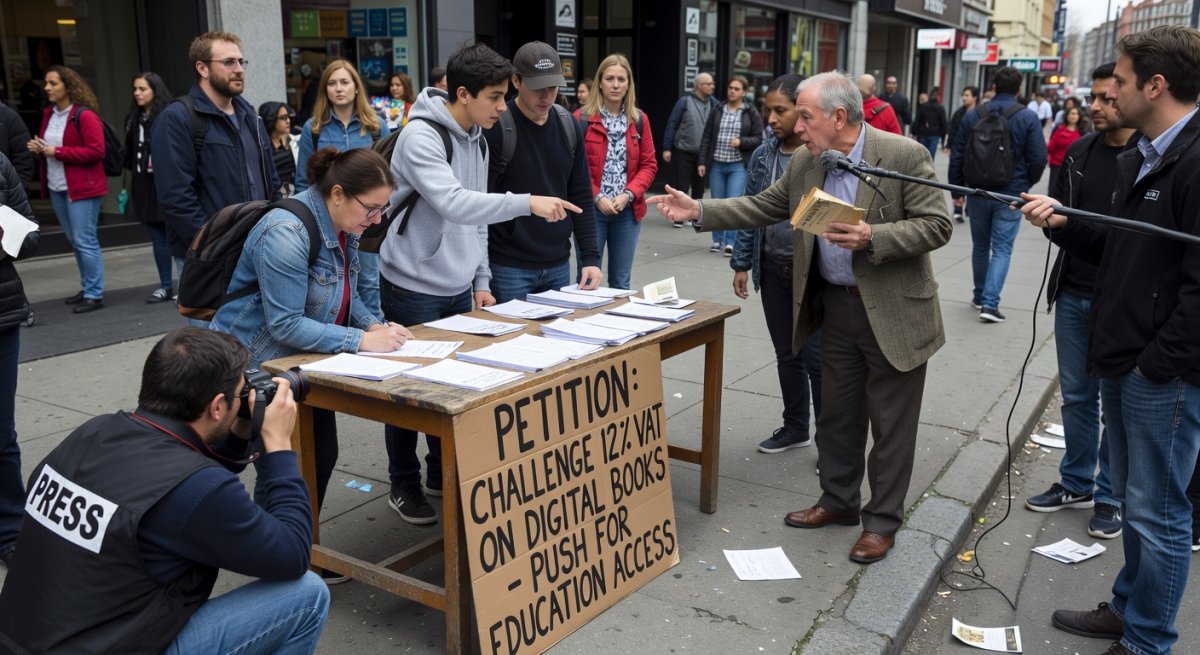
The Petition Reaches the Supreme Court Petitioners from the book industry have turned to the Supreme Court in a bid to halt the 12 percent value added tax on digital books and other online written works. National Artist for Literature Virgilio Almario and lawyer Elridge Marvin Aceron, executive publisher of San Anselmo Press, filed the petition for certiorari, prohibition and m
The Petition Reaches the Supreme Court
Petitioners from the book industry have turned to the Supreme Court in a bid to halt the 12 percent value added tax on digital books and other online written works. National Artist for Literature Virgilio Almario and lawyer Elridge Marvin Aceron, executive publisher of San Anselmo Press, filed the petition for certiorari, prohibition and mandamus. They named acting Finance Secretary Frederick Go and Bureau of Internal Revenue Commissioner Charlito Martin Mendoza as respondents.
The filing targets Republic Act 12023 and seeks to declare the tax unconstitutional. It also asks for a temporary restraining order and a Revenue Memorandum Circular that would suspend collection while Congress considers amendments. The 31-page petition was posted online on May 29 and emphasizes the need to protect access to knowledge in the digital age.
Arguments on Education and Expression
The petitioners argue that taxing digital books erects an economic barrier to self-education. They point to the constitutional mandate that education must remain accessible to all. By adding 12 percent VAT, the law creates extra costs for readers who rely on electronic formats for learning and information.
They further claim the measure violates principles of freedom of expression and of the press. The petition notes that prior restraint on protected expression is prohibited under the Constitution. Taxing only the digital versions, they say, limits the spread of ideas and burdens writers and publishers who have shifted to online platforms.
Disparities Between Physical and Digital Formats
The petition highlights an inconsistency in tax treatment. Physical books remain exempt from VAT even though they often cost more to produce and distribute. Digital books, which can be more affordable for many readers, now carry the extra 12 percent burden.
This structure is described as regressive. It places greater pressure on Filipinos who can only afford electronic copies because of lower prices or easier access in remote areas. The petitioners note that such a policy runs counter to efforts to close gaps in educational opportunity across the country.
Impact on Everyday Readers and Communities
Ordinary citizens feel the effects most directly. Students, teachers, and lifelong learners who turn to e-books for affordable study materials now face higher prices. In provinces where physical bookstores are scarce, digital options often serve as the main gateway to new titles and reference works.
Elridge Marvin Aceron shared a personal example in the petition. After purchasing a digital copy of Maria Ressa's book "How to Stand Up to a Dictator," he paid an additional P67.20 in VAT on a total of roughly P630. Such added costs accumulate for households that depend on online resources for continuing education and professional growth.
International Commitments Under the Florence Agreement
The petitioners also invoke the Philippines' obligations as a signatory to the Florence Agreement. This international accord governs the importation of educational, scientific, and cultural materials. A 2011 Department of Finance order was meant to ensure imported books would not face taxation that hinders their circulation.
They argue that applying VAT to digital editions risks undermining those commitments. The petition calls for alignment between domestic tax policy and the country's pledges to promote the free flow of knowledge across borders.
Next Steps and Broader Implications
The Supreme Court will now consider whether to issue the requested reliefs. If granted, a temporary restraining order could pause collection of the tax while the case proceeds. The petitioners also seek a directive for the Bureau of Internal Revenue to issue guidance suspending the measure pending legislative review.
This case touches on fundamental questions about how tax policy shapes access to information in the Philippines. As digital reading grows, the outcome may influence how future laws balance revenue needs with the goal of keeping education within reach for every Filipino.
By Bella Reyes, Staff WriterThis article was produced with AI-assisted research and editorial support. Reporting is based on sources cited in the article.
What's Your Reaction?
 Like
0
Like
0
 Dislike
0
Dislike
0
 Love
0
Love
0
 Funny
0
Funny
0
 Wow
0
Wow
0
 Sad
0
Sad
0
 Angry
0
Angry
0

Philippines/Southeast Asia Correspondent at Global1.News. Manila-based journalist covering Philippine politics, environment, maritime security, and social issues. Passionate about marine conservation and the communities protecting the Philippines' natural heritage.














Comments (0)