
Ebola spread in DR Congo 'deeply alarming', MSF warns
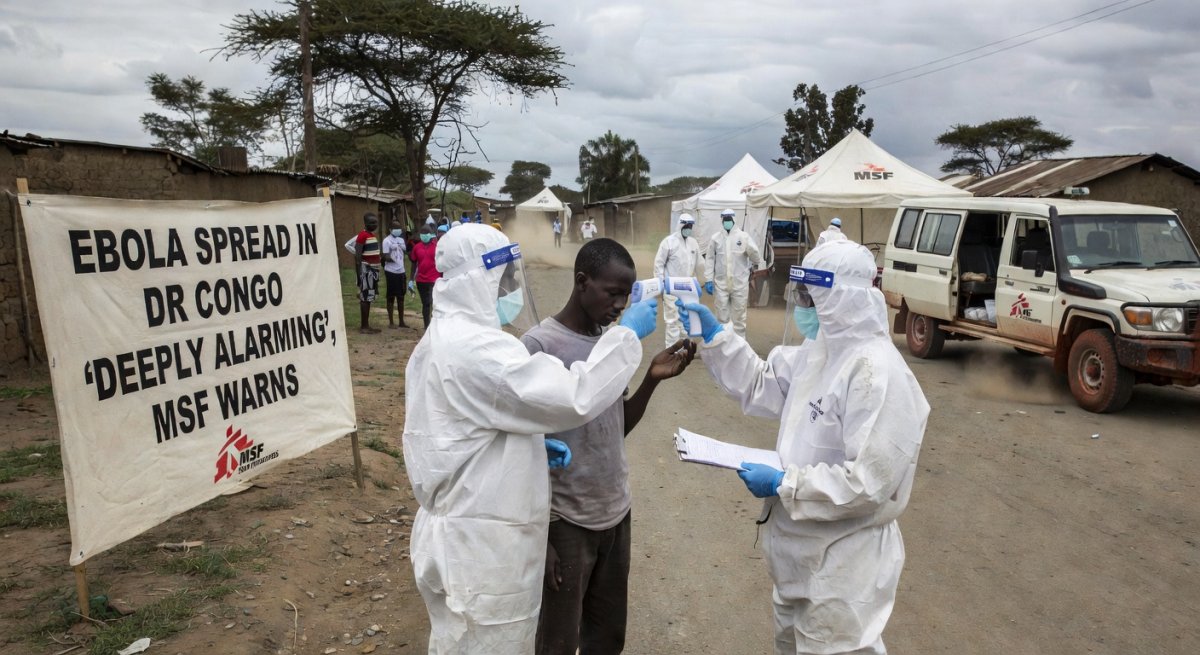
MSF Raises Alarm Over Ebola Spread in DR Congo The medical charity Médecins Sans Frontières has described the rapid spread of Ebola in the Democratic Republic of Congo as deeply alarming. This warning comes two weeks after the World Health Organization declared the outbreak, with MSF deputy director Dr Alan Gonzales noting that never before had so many cases been recorded so so
MSF Raises Alarm Over Ebola Spread in DR Congo
The medical charity Médecins Sans Frontières has described the rapid spread of Ebola in the Democratic Republic of Congo as deeply alarming. This warning comes two weeks after the World Health Organization declared the outbreak, with MSF deputy director Dr Alan Gonzales noting that never before had so many cases been recorded so soon after such a declaration.
WHO Leadership Visits Hardest-Hit Region
WHO head Dr Tedros Adhanom Ghebreyesus arrived in the eastern Congolese province of Ituri, the area most affected by the virus. He visited the provincial capital of Bunia to assess containment efforts and spoke with local health officials at the National Institute for Biomedical Research laboratory, where testing now returns results within 24 hours rather than requiring transport over 1,500km to Kinshasa.
Scale of Cases and Cross-Border Concerns
More than 1,000 suspected Ebola cases and at least 246 deaths have been recorded in DR Congo. Neighbouring Uganda has reported nine confirmed cases and one death. MSF teams on the ground have highlighted that hundreds of samples remain untested and the true scale of the outbreak remains unknown, with new suspected cases reported daily.
Community Role and Cultural Practices
Dr Tedros emphasised the importance of communities in Ituri taking a larger part in the response, noting that local people understand the problems and solutions best. He acknowledged how central it is for families to honour their dead at funerals, yet stressed that certain practices such as touching bodies of those who have died from Ebola can spread the virus further and risk further loss within families and communities.
Everyday Life and Response Realities in Bunia
In Bunia daily life continues with people moving around, trading and carrying on normal activities. At the airport passengers are directed to hand-washing stations, and public health messages are broadcast on radio and television in local languages as well as in French. These measures sit alongside ongoing challenges, including border and airport closures that delay aid, and the impact of conflict on response efforts.
Additional Investigations Beyond Africa
Health officials in Brazil have begun investigating a suspected Ebola case in São Paulo state involving a man who recently returned from DR Congo and is now in isolation. The current outbreak involves a rare Bundibugyo strain of the virus, for which there is no proven vaccine and which is known to be fatal in about a third of cases.
By Amara Diop, Staff WriterThis article was produced with AI-assisted research and editorial support. Reporting is based on sources cited in the article.
What's Your Reaction?
 Like
0
Like
0
 Dislike
0
Dislike
0
 Love
0
Love
0
 Funny
0
Funny
0
 Wow
0
Wow
0
 Sad
0
Sad
0
 Angry
0
Angry
0

West Africa/Sahel Correspondent at Global1.News. Dakar-based journalist covering politics, security, climate, and development across Francophone and Anglophone West Africa. Tells the stories of a region undergoing profound transformation.











Comments (0)