
Peru at a Crossroads: Sánchez and Fujimori Locked in Razor-Thin Presidential Runoff
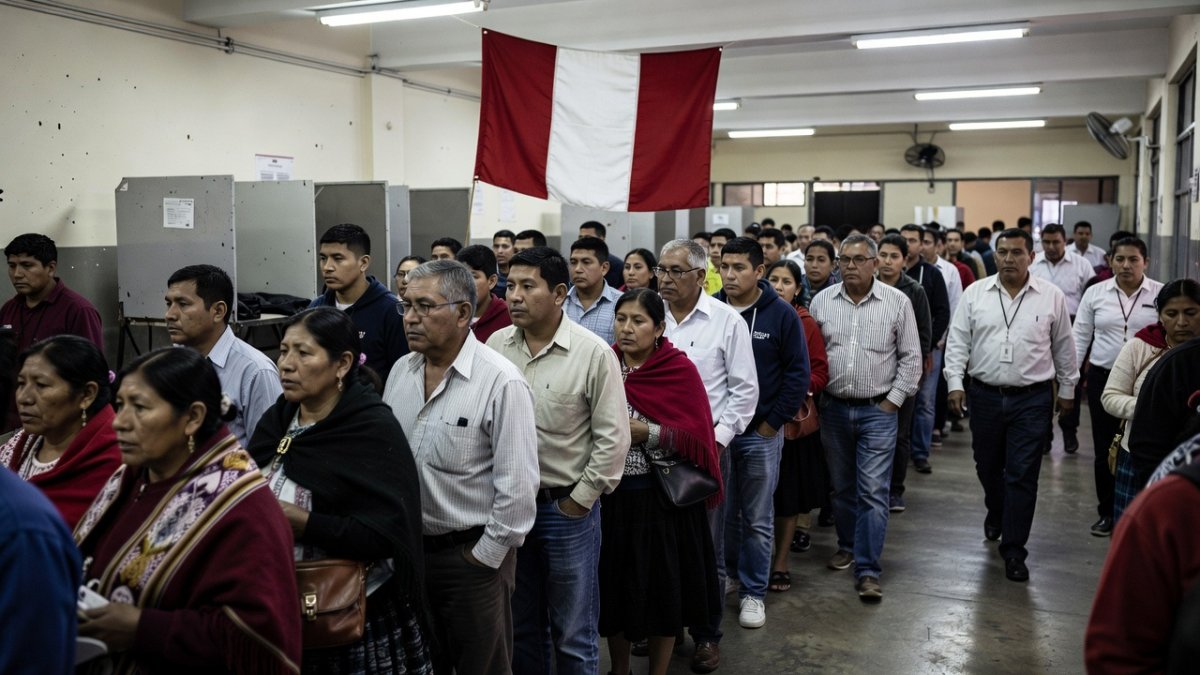
The Dead Heat That Has Peru on Edge Folks, Peru just wrapped its June 7, 2026 presidential runoff between conservative Keiko Fujimori of Fuerza Popular and leftist Roberto Sánchez of Together for Peru, and the numbers tell a brutal story. With 94 percent of ballots counted as of June 8-10, Sánchez clings to a razor-thin lead while the country holds its breath for the full offic
The Dead Heat That Has Peru on Edge
Folks, Peru just wrapped its June 7, 2026 presidential runoff between conservative Keiko Fujimori of Fuerza Popular and leftist Roberto Sánchez of Together for Peru, and the numbers tell a brutal story. With 94 percent of ballots counted as of June 8-10, Sánchez clings to a razor-thin lead while the country holds its breath for the full official tally from ONPE expected by July. This is not some distant drama. It is a nail-biter that leaves roughly 27 million eligible voters staring at another fractured mandate.
If you are as fired up as I am about political whiplash, this tie feels like the latest chapter in a decade of chaos. Fujimori swept Lima and the coastal urban centers where business interests cluster, yet Sánchez dominated the rural Andes and interior regions where voters feel left behind. The split exposes a nation cleaved along geography and class, with neither side able to claim a sweeping mandate.
The polarization runs so deep that neither candidate inspires broad trust. Peruvians have watched nine presidents cycle through in ten years, and this runoff marks the tenth presidential transition in that same stretch. That kind of turnover does not build confidence. It breeds exhaustion and skepticism about whether any leader can steady the ship.
Keiko Fujimori's Long Road of Runoffs
Keiko Fujimori is no stranger to this stage. This marks her fourth presidential runoff after losses in 2011, 2016, and 2021, the last one by roughly 40,000 votes. She carries the name of her father, Alberto Fujimori, the former authoritarian president now jailed for human rights abuses. That legacy delivers loyal support in urban strongholds but also triggers immediate red flags for anyone worried about democratic backsliding.
Her platform leans pro-business with promises of expanded mining investment. In a country that ranks as the world's number-two copper producer, those policies could unlock capital and steady supply chains that feed China's massive demand. Bloomberg has flagged this contest as a test for Latin America's most stable economy model, and Fujimori's approach would double down on that framework.
Yet the concerns about her family's history do not vanish. Voters remember the authoritarian chapter, and any Fujimori victory would force immediate scrutiny over whether institutions can hold against concentrated power. The race shows how personal legacies still shape national choices decades later.
Roberto Sánchez Steps Into the Spotlight
Roberto Sánchez enters this runoff as a relative unknown who surged late in the campaign. The psychologist and congressman once served as lawyer for imprisoned former president Pedro Castillo, who received an 11-plus-year sentence for his failed 2022 self-coup attempt. That connection fuels both his base in rural areas and sharp attacks from opponents who see it as a liability.
A Sánchez win would likely tighten mining regulations and tilt Peru toward closer ties with China and other leftist governments across Latin America. Those shifts could reshape copper flows and investment patterns that matter far beyond Peru's borders. The late surge shows how quickly an outsider can capitalize on frustration with the status quo.
Still, the lack of broad trust cuts both ways. Sánchez must convince skeptics that his background equips him to govern without repeating the instability that has defined recent years. His regional strength proves rural voters want change, but turning that into national governance requires bridging the urban-rural divide.
Security Fears and the Crime Wave
Crime and security topped voter concerns heading into the runoff. Peru's murder rate has climbed sharply as organized crime expanded its reach, leaving communities on edge from coast to highlands. Both candidates faced pressure to address the violence, yet the polarized electorate split on which approach feels credible.
Fujimori's urban base often prioritizes tougher enforcement and pro-business stability that could indirectly support security funding. Sánchez's rural sweep reflects voters who link insecurity to deeper economic neglect. The divide shows how safety concerns intersect with every other issue on the ballot.
This is not abstract. Rising violence affects daily life and investor calculations alike. Any incoming administration will inherit a public demanding results on crime while the political system remains fragile from years of rapid leadership changes.
Copper Markets and Global Ripple Effects
Peru's position as the world's second-largest copper producer puts this election under international watch. A Fujimori victory could accelerate mining investment and keep supply lines predictable for global manufacturers and China's industrial needs. A Sánchez win might impose stricter rules that slow projects and redirect partnerships.
US interests sit in the middle of these calculations. Stable copper flows support everything from electric vehicles to defense supply chains, so Washington tracks the outcome closely. The contest tests whether Peru stays anchored in market-friendly policies or experiments with tighter state control.
Bloomberg correctly noted that Latin America's most stable economy model hangs in the balance. Whichever side prevails, the decision will echo through commodity markets and diplomatic alignments for years. Peru's voters are choosing more than a president. They are shaping supply chains that reach every continent.
Latin American Democracy Under Strain
Peru's decade of nine presidents in ten years mirrors strains visible across the region. Polarization, rapid turnover, and weak institutions create openings for both populist surges and authoritarian temptations. The Fujimori-Sánchez deadlock captures that tension in real time.
Democratic stability here matters beyond Peru's borders. Neighbors watch how the country manages the transition and whether the final count produces acceptance or fresh protests. The absence of broad trust in either candidate raises the risk that the winner faces immediate legitimacy questions.
The runoff also highlights how personal histories and regional grievances keep resurfacing. Fujimori's family legacy and Sánchez's ties to Castillo's circle ensure the debate stays heated even after ballots are tallied. That intensity tests whether Peru can move past cycles of confrontation toward functional governance.
What Comes Next and What You Can Do
The full ONPE count by July will settle the immediate question, yet the deeper work of governing a divided nation begins the day results are certified. Peruvians deserve institutions strong enough to survive another transition without repeating the chaos of the past decade.
If you care about stable copper markets, secure supply chains, or democratic resilience in Latin America, track the final numbers and the policy signals that follow. Contact your representatives to emphasize the importance of steady US engagement with Peru on trade and security cooperation. Support independent journalism that follows the mining sector and human rights records without partisan spin.
Stay informed through credible outlets and push for transparency in the final vote tally. The outcome affects global markets and regional stability, so informed pressure from citizens everywhere helps keep leaders accountable. Peru stands at a genuine crossroads, and the choices made now will shape the hemisphere for years ahead.
By Jessica Ali, Lead Anchor — Global 1 NewsThis article was produced with AI-assisted research and editorial support. Reporting is based on sources cited in the article.
What's Your Reaction?
 Like
0
Like
0
 Dislike
0
Dislike
0
 Love
0
Love
0
 Funny
0
Funny
0
 Wow
0
Wow
0
 Sad
0
Sad
0
 Angry
0
Angry
0

Editor-in-Chief at Global1.News. Atlanta-based journalist who cuts through the BS and tells it like it is. Lead anchor, host, and the voice you hear when the spin stops and the truth starts.












Comments (0)