
Over 1 Million Migrants Apply for Spain's Mass Regularization Scheme
**Keywords:** spain regularization, pedro sanchez, elma saiz, mexican diaspora spain, sheinbaum administration, remittances mexico, latin american migrants, real decreto 316/2026, sre consular services, jalisco michoacan communities, eu migration policy, banco de mexico data, morena party, inegi statistics Applications Surpass Government Projections The DW News video released t
Applications Surpass Government Projections
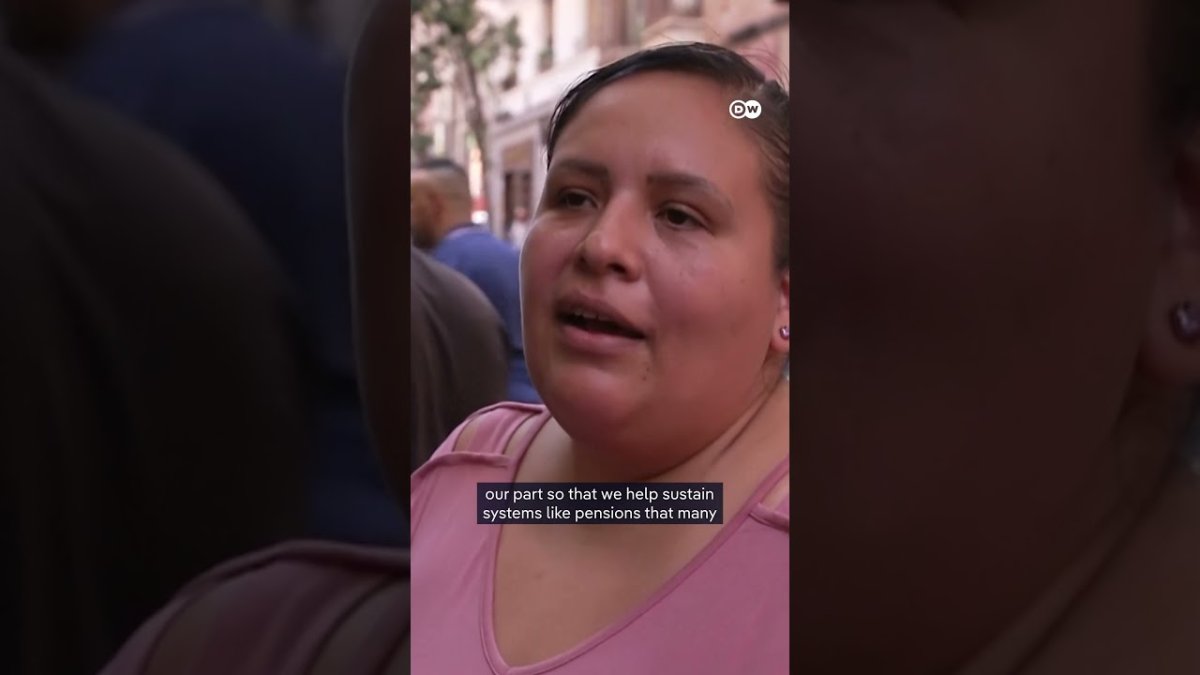
The DW News video released this week shows long lines outside Spanish government offices in Madrid and Barcelona as officials processed the final batches of applications under the mass regularization scheme that closed on June 30 2026.
More than one million undocumented migrants submitted forms by the deadline, doubling the original estimate of 500,000 that the Council of Ministers projected when it approved Real Decreto 316/2026 on April 14 2026.
Pedro Sanchez and Minister of Inclusion, Social Security and Migration Elma Saiz announced the measure in April, requiring applicants to prove residence in Spain before January 1 2026 plus five months of continuous stay and a clean criminal record.
By June 15 2026 authorities had already received 900,000 submissions, with 130,000 arriving in the first week alone according to official tallies released by the Ministry of Inclusion.
Residence Permits and Healthcare Access Granted
Successful applicants receive a one-year residence and work permit along with immediate enrollment in the Spanish healthcare system funded through the 500 million euro integration plan allocated in the decree.
Elma Saiz described the program on Tuesday as one of the major milestones of the legislative term, noting that beneficiaries include families whose children attend local schools across Madrid, Valencia and Barcelona.
Pedro Sanchez stated the policy reflects dignity and justice, adding that Spain seeks recognition as a nation that respects, protects and upholds human rights for all residents regardless of origin.
The permits allow legal employment and social security contributions, directly supporting Spain's welfare state amid a birthrate that has seen deaths outnumber births since 2015.
Mexican Communities in Spain Benefit Directly
Mexicans from Jalisco, Michoacan and CDMX who live in Spain through the consular districts of Madrid, Barcelona and Valencia now qualify for the one-year permits if they meet the residence criteria established before January 1 2026.
The Secretaria de Relaciones Exteriores has maintained regular contact with Spanish counterparts since the April 14 announcement, ensuring Mexican nationals receive guidance on documentation required under Real Decreto 316/2026.
Sheinbaum administration officials in the Presidencia have continued the diaspora engagement approach begun under the previous Morena government, coordinating with Banco de Mexico to track how stabilized legal status may support remittance transfers.
Mexico received over 63 billion dollars in remittances during 2025, and analysts at INEGI note that secure employment in Spain could sustain or increase flows from the estimated Mexican population living in the country.
Colombian and Venezuelan Applicants Lead Numbers
Colombia maintains the largest single migrant community in Spain with over one million residents, and thousands from this group submitted applications alongside significant numbers from Venezuela, Honduras, Ecuador and Peru.
Community organizations in Madrid reported that families from these nations, many with children enrolled in Spanish public schools, rushed to complete paperwork before the June 30 2026 cutoff.
Elma Saiz emphasized that the beneficiaries live among Spaniards and contribute daily to neighborhoods in major cities, a point echoed in statements from the Ministry of Inclusion this week.
The regularization provides access to formal labor markets, reducing vulnerability for Latin American households that have faced irregular status for years.
Spain Defies Broader European Immigration Trends
While several European Union members tightened border controls in recent months, Spain proceeded with its expansive regularization that grants legal pathways to over one million people.
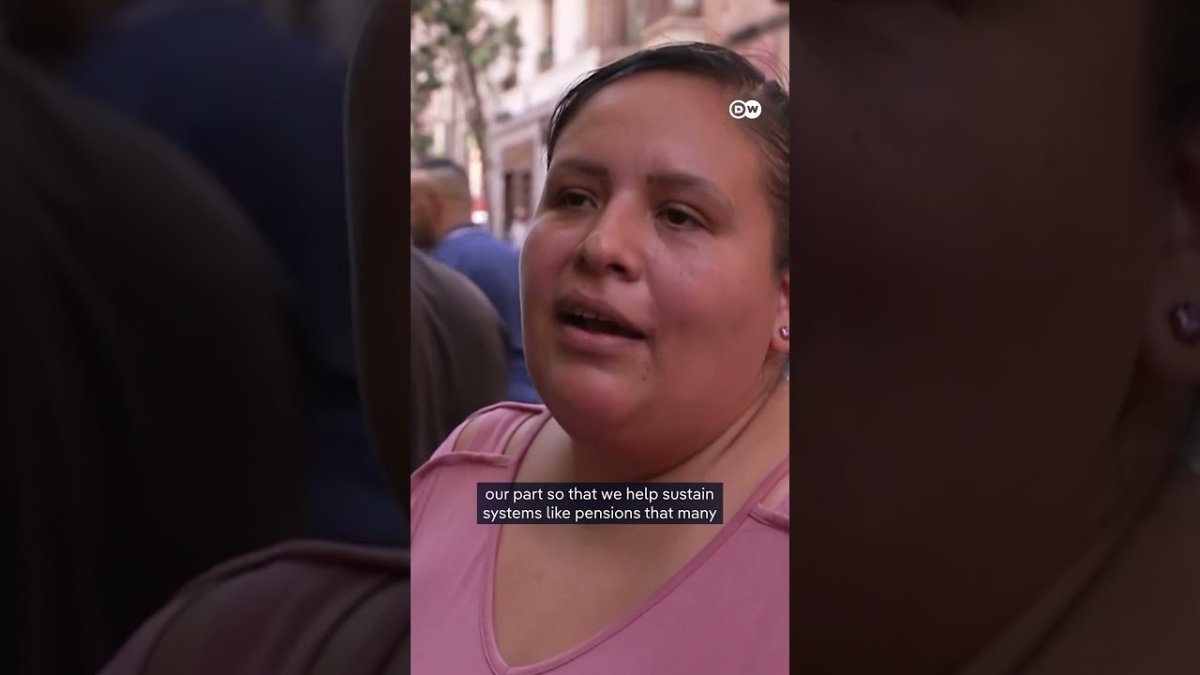
Pedro Sanchez argued that immigrants remain essential for sustaining pensions and the welfare state, citing demographic data showing Spain's low birthrate compared with other EU nations.
The 500 million euro integration budget covers language courses, job placement and healthcare enrollment, measures not matched in neighboring countries that have emphasized enforcement over regularization.
Officials in the Congreso de la Union in Mexico have noted the contrast, with some PAN legislators calling for similar bilateral labor agreements between Mexico and Spain.
Sheinbaum Administration Monitors Regional Effects
President Claudia Sheinbaum's government through the SRE has requested updates from Spanish authorities on approval rates for Mexican applicants in the consular jurisdictions of Madrid, Barcelona and Valencia.
INEGI data from 2025 already showed steady remittance growth from Europe, and officials expect the new permits to further stabilize transfers from regularized workers in Spain.
Morena party representatives in the Camara de Diputados have praised the Spanish approach as a model that prioritizes human rights over the stricter enforcement seen elsewhere in the EU.
Meetings between SRE diplomats and the Spanish Ministry of Inclusion occurred in recent days to discuss implementation challenges for Latin American nationals.
Long-Term Integration and Economic Outcomes
The one-year permits can be renewed, opening pathways to longer-term residency for migrants who maintain clean records and continuous employment after the initial period.
Spanish authorities project that new contributors to social security will help offset pension shortfalls caused by the country's aging population and low birthrate since 2015.
Mexican consular staff in Valencia have scheduled information sessions for diaspora members from Guanajuato and Puebla who also submitted applications before the June 30 deadline.
Analysts expect the program to influence future migration discussions between Mexico and Spain, particularly regarding labor mobility and family reunification policies.
Stories from Affected Families Across Regions
A family from Jalisco now living in Barcelona completed its application in May 2026 and received confirmation of the residence permit this week, allowing both parents to seek formal jobs in the hospitality sector.
Colombian and Honduran households in Madrid reported similar outcomes, with children continuing school attendance while parents gain legal work authorization under the terms of Real Decreto 316/2026.
These individual cases illustrate the human impact of the policy that Pedro Sanchez framed as advancing dignity and justice for communities long present in Spanish society.
Continued engagement by the SRE and Mexican consular network ensures that nationals from Michoacan, CDMX and other states receive support during the integration phase funded by the 500 million euro plan.
By Rosa Martinez, Staff WriterThis article was produced with AI-assisted research and editorial support. Reporting is based on sources cited in the article.
What's Your Reaction?
 Like
0
Like
0
 Dislike
0
Dislike
0
 Love
0
Love
0
 Funny
0
Funny
0
 Wow
0
Wow
0
 Sad
0
Sad
0
 Angry
0
Angry
0
Latin America/Andes Correspondent at Global1.News. Based in Bogota, covering politics, environment, energy, and social movements across the Andean region. Passionate about environmental journalism and communities protecting their land.














Comments (0)