
Norway Edge Ivory Coast 2-1, Set Up World Cup Brazil Clash
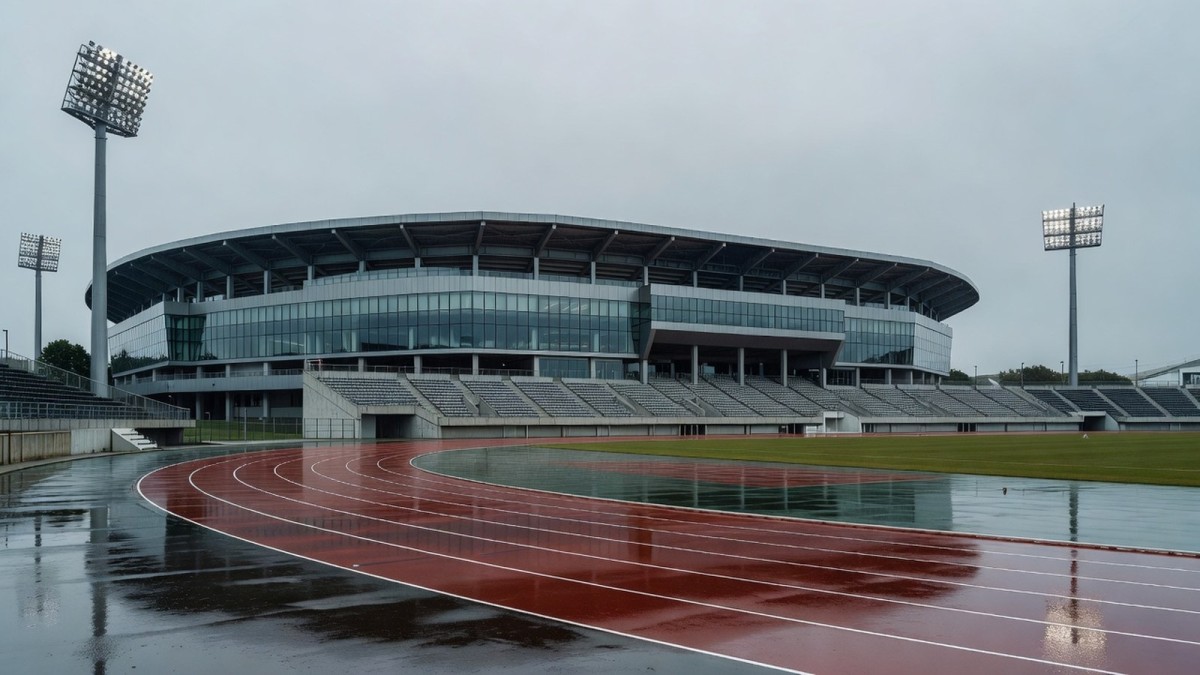
The Electric Atmosphere at Dallas Stadium and Stakes for African Football The stands at AT&T Stadium in Arlington, Texas, pulsed with 80,000 supporters this week as Norway faced Ivory Coast in the World Cup Round of 32. Fans from across continents filled the venue, creating a roar that echoed the passion seen in South African stadiums during major tournaments. The match carried
The Electric Atmosphere at Dallas Stadium and Stakes for African Football
The stands at AT&T Stadium in Arlington, Texas, pulsed with 80,000 supporters this week as Norway faced Ivory Coast in the World Cup Round of 32. Fans from across continents filled the venue, creating a roar that echoed the passion seen in South African stadiums during major tournaments. The match carried extra weight because Ivory Coast had reached the knockout stage for the first time, mirroring the historic first knockout appearance Bafana Bafana made before their own exit.
Norwegian supporters waved flags while Ivory Coast fans chanted in rhythm, much like the energy in Johannesburg fan parks during the 2010 World Cup. The stakes extended beyond the result because no African team would remain after this fixture, leaving a gap that South African viewers felt keenly in shebeens and living rooms nationwide. This outcome highlighted the ongoing need for stronger development pathways, similar to those SAFA has explored with Ivory Coast programs in recent years.
Television coverage on SuperSport brought the drama directly to South African homes, where viewers watched every tackle with the same intensity reserved for Springbok rugby tests. The unity in those living rooms recalled the Mandela-era spirit that turned sport into a force for national cohesion. Every clearance and shot carried implications for how African nations prepare their next generation of players.
First Half Control as Nusa Opens the Scoring
Norway settled quickly and took the lead in the 39th minute when Antonio Nusa curled a precise shot into the net. The goal came after sustained pressure that forced Ivory Coast into a compact defensive shape, much like the organized backlines South African clubs display in the Diski Challenge youth matches. Ivory Coast players tracked runners tightly, preventing further damage before the break.
The Norwegian midfield dictated tempo with short passes and quick switches, keeping Ivory Coast on the back foot for long stretches. This control resembled the structured play Bafana Bafana attempted against Canada before their 0-1 loss in the same round. Ivory Coast defenders stayed disciplined, clearing several dangerous balls to maintain their shape despite the pressure.
At half-time the score remained 1-0, giving Ivory Coast coaches time to adjust their approach for the second period. South African analysts on SuperSport noted how the first-half pattern echoed transformation challenges in local football, where technical discipline must improve to compete at the highest level. The crowd noise dipped slightly as fans anticipated a response from the African side.
Diallo's Equaliser and Heroic Goal-Line Clearance
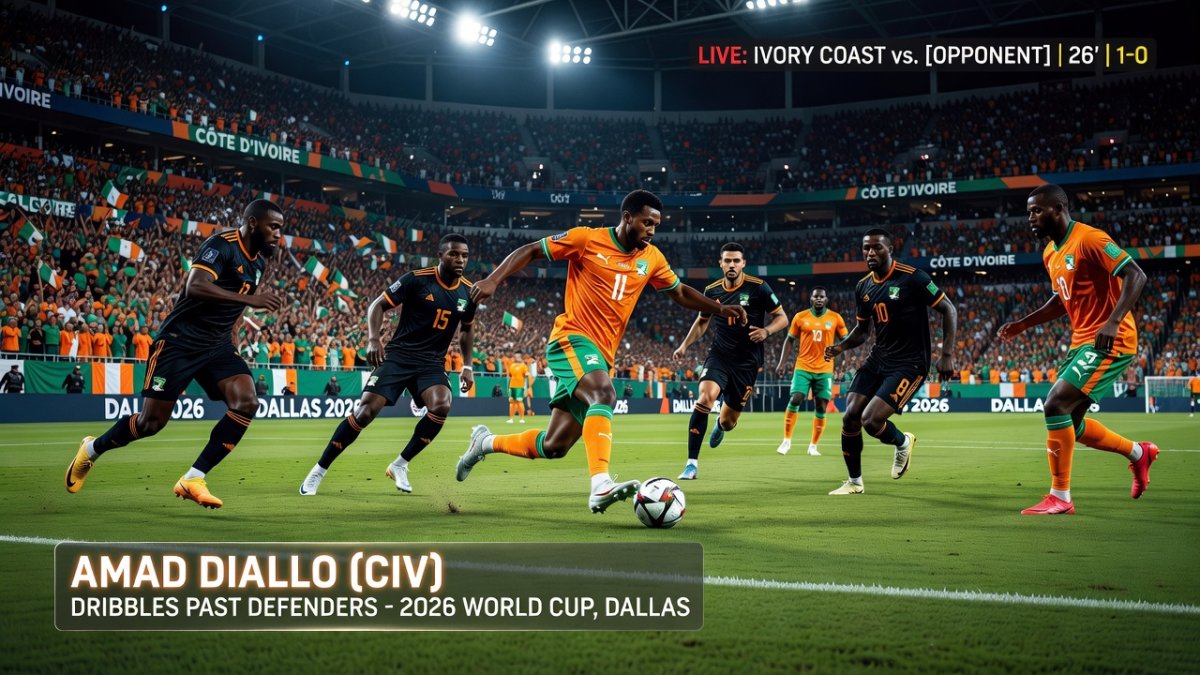
Amad Diallo produced a stunning solo run in the 64th minute to level the score for Ivory Coast. The Manchester United forward beat multiple defenders before finishing calmly, a moment that drew cheers from South African viewers familiar with his SuperSport highlights. Diallo also cleared a ball off his own goal line earlier in the half, showing the defensive work rate expected from top attackers.
The equaliser shifted momentum and forced Norway to regroup after dominating much of the opening period. Ivory Coast players fed off the energy, pressing higher and winning second balls in midfield. This resilience mirrored the fighting spirit Bafana showed in their Round of 32 campaign before Canada scored the decisive goal.
Coaches on the Ivory Coast bench urged their players forward, knowing a win would keep African hopes alive. South African fans watching in fan parks discussed how Diallo's display reflected the benefits of exposure in European leagues, a pathway the MultiChoice Diski Challenge aims to replicate locally. The score stayed level for over twenty minutes as both teams searched for the next breakthrough.
Haaland's Late Winner Secures Historic Victory
Erling Haaland remained quiet for most of the match before striking in the 86th minute to give Norway a 2-1 lead. The Manchester City striker found space at the far post and finished with power, his fifth goal of the tournament. The late timing left Ivory Coast with little time to respond despite their earlier fightback.
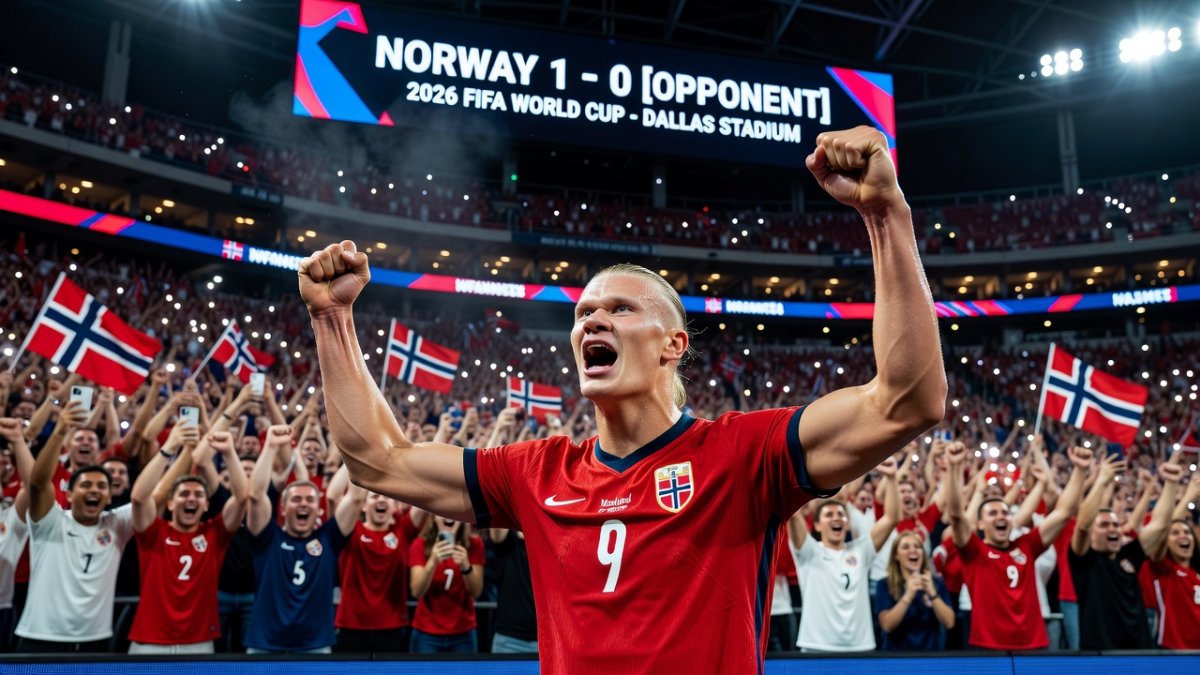
Norway's players celebrated wildly because the result marked their first-ever World Cup knockout-stage victory. The team had waited decades for this moment, and the win propelled them into the Round of 16. Ivory Coast players slumped to the pitch, their first knockout appearance ending in heartbreak.
South African commentators highlighted how Haaland's patience exemplified the mental strength required at this level, a quality transformation programs in SA sport continue to emphasize. The final whistle confirmed Norway's advance while ending Ivory Coast's campaign and leaving no African teams in the competition.
Norway Prepare for Brazil Clash in New York
Norway will face Brazil in the Round of 16 in New York after this victory. The matchup pits Norway's organized defense against Brazil's attacking flair, a contest South African fans will follow closely on SuperSport. Haaland's presence adds a constant threat that Brazilian defenders must manage throughout the ninety minutes.
Coaches will study footage of Ivory Coast's defensive organization to find weaknesses they can exploit against the South American giants. Norway's midfield must maintain the same control shown in the first half against Ivory Coast. Brazilian players, known for quick transitions, will test the Norwegian backline with rapid switches of play.
South African analysts compare this fixture to Springbok rugby tours where underdogs must stay compact and clinical on the counter. The New York venue will host another large crowd, creating an atmosphere similar to the packed stadiums that hosted Bafana's matches earlier in the tournament. Preparation will focus on set-pieces and maintaining concentration for the full match.
Lessons from Ivory Coast's Historic Run
Ivory Coast reached the knockout stage for the first time, providing a blueprint other African nations can study. Their defensive structure and willingness to absorb pressure before countering offered clear takeaways for SAFA development programs. The team showed that collective organization can compete with more fancied sides for long periods.
Amad Diallo's contributions underlined the value of players gaining experience in top European leagues. South African youth coaches point to similar pathways through the Diski Challenge as essential for producing the next generation of national team stars. Ivory Coast's exit leaves a void, but their run inspires continued investment in grassroots structures across the continent.
Analysts in South Africa noted how the team's resilience echoed the unity Springbok rugby teams display when facing adversity. Transformation efforts in local football must prioritize both technical skills and mental toughness to replicate such performances. The legacy of this campaign will influence planning for future World Cup cycles.
Bafana's Parallel Journey Ends in Round of 32
South Africa also exited in the Round of 32 after a 0-1 defeat to Canada, marking the nation's first appearance at this stage. Bafana showed promise in patches but could not find the decisive goal, much like Ivory Coast's experience against Norway. The result ended their campaign but provided valuable lessons for the squad.
Players returned home to continue their domestic seasons, carrying the experience of competing against strong opposition. SAFA officials have already begun reviewing footage to identify areas for improvement ahead of upcoming qualifiers. The exit highlighted the gap that still exists between African teams and established powers.
Fans across the country watched the match in shebeens and fan parks, showing the same passion that greeted the Springboks during their Rugby World Cup campaigns. The parallel journeys of Bafana and Ivory Coast underscore the need for sustained investment in youth development and coaching education. Transformation remains central to closing that gap over the coming years.
SA Sporting Culture and the Spirit of Unity
Supporters in South Africa followed the Norway versus Ivory Coast match through living rooms, shebeens, and community fan parks, creating a shared national experience. The coverage on SuperSport allowed viewers to analyze every phase of play, from Nusa's opener to Haaland's winner. This collective engagement strengthens the bond between fans and the broader sporting landscape.
The Mandela legacy of sport as a unifying force remains visible whenever South Africans gather to watch international football. Whether celebrating Diallo's equaliser or lamenting the late defeat, the conversations in these spaces reflect the same spirit that transformed rugby into a national asset. Transformation programs continue to open doors for previously disadvantaged communities in football.
Youth pathways such as the MultiChoice Diski Challenge feed directly into the national setup, producing players who understand both technical demands and the cultural weight of representing the nation. The lessons from this World Cup will shape how South African football approaches future tournaments. Unity through sport continues to drive progress on and off the field.
Looking Ahead to Norway versus Brazil
Norway must maintain defensive discipline when they meet Brazil in New York. Brazilian attackers will probe for spaces behind the Norwegian full-backs, requiring constant communication among the back four. Haaland's ability to score from limited chances will remain Norway's primary weapon on the counter.
Coaches will emphasize set-piece organization because Brazil often concede from dead-ball situations in tight matches. South African viewers will watch for tactical adjustments that could decide the outcome. The physical demands of the Round of 16 will test both squads after their opening knockout fixtures.
Analysts expect a high-tempo contest where Norway's structure meets Brazilian creativity. Preparation will include video sessions focused on transition moments, similar to the reviews Bafana conducted after their own exit. The result will determine which team advances further in the competition.
The Future of African Football After This Campaign
The exit of Ivory Coast leaves African football reflecting on progress and remaining challenges. Their first knockout appearance proved that teams from the continent can reach this stage with disciplined preparation. South African stakeholders will use these lessons to strengthen their own structures ahead of the next cycle.
Investment in youth academies and exposure to high-level competition must continue if more nations are to advance beyond the group stage. The performances of players like Diallo show the rewards of sustained development programs. SAFA's partnerships with other African federations offer one route to shared growth.
The passion displayed by fans across South Africa this week confirms that football remains a powerful connector in society. Transformation efforts will focus on creating more pathways from school level to professional contracts. The future depends on consistent execution of these plans across the continent.
By Dante Williams, Staff WriterThis article was produced with AI-assisted research and editorial support. Reporting is based on sources cited in the article.
What's Your Reaction?
 Like
0
Like
0
 Dislike
0
Dislike
0
 Love
0
Love
0
 Funny
0
Funny
0
 Wow
0
Wow
0
 Sad
0
Sad
0
 Angry
0
Angry
0

Breaking News and Investigations Correspondent at Global1.News. Based in London, covering global breaking news, security, and investigative stories. Known for digging deeper and connecting the dots across continents.











Comments (0)