
Ouro Preto's Congado: Afro-Brazilian Festival of Faith and Resistance
In the vibrant streets of Ouro Preto, the Afro-Brazilian Congado festival unfolds each mid-January as a living bridge across the African diaspora, where processions honoring saints and ancestral kings pulse with rhythms that echo from Central Africa to the shores of Senegal, affirming faith, heritage, and centuries of resistance against erasure. Ouro Preto's Congado: Echoes of
In the vibrant streets of Ouro Preto, the Afro-Brazilian Congado festival unfolds each mid-January as a living bridge across the African diaspora, where processions honoring saints and ancestral kings pulse with rhythms that echo from Central Africa to the shores of Senegal, affirming faith, heritage, and centuries of resistance against erasure.
Ouro Preto's Congado: Echoes of African Royalty in Brazilian Streets
Dakar, Senegal — As the annual Congado festival prepares to fill the colonial plazas of Ouro Preto this year around January 11-14, it draws families and visitors into a profound encounter with Brazil's African soul. This gathering, rooted in the experiences of over 100 million people of African descent in Brazil, the largest such population outside Africa, carries deep resonance for Senegalese readers who recognize familiar threads of royal symbolism and communal celebration. The event reminds us how culture travels and transforms while remaining anchored in ancestral strength.
A Living Tradition: The Congado Festival of Ouro Preto
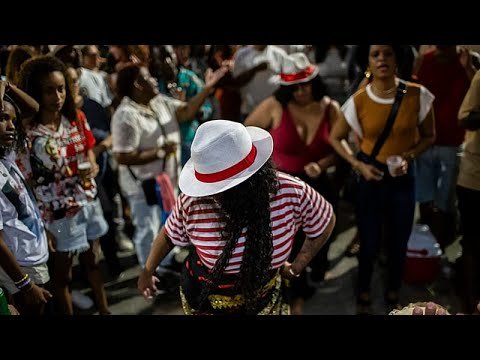
The annual Congado festival in mid-January 2026 in Ouro Preto, Minas Gerais, Brazil, brings the community together in colorful processions that honor Nossa Senhora do Rosário, Santa Efigênia, São Benedito, and the folk hero Chico Rei. These days are filled with drumming, call-and-response singing, and dancing that transform the historic streets into spaces of joyful devotion and remembrance.
Ternos de Congado groups move through the city in distinctive attire, carrying banners, crowns, and scepters that represent African royal courts. Each step fulfills promises and prayers made throughout the year, as participants seek blessings for health, family, and protection through the intercession of these beloved figures.
The festival is linked to the broader tradition of Reinado festivals in Minas Gerais, where hierarchical roles of kings and queens mirror the structure of Central African societies. Drummers set the pace with powerful rhythms while singers respond in harmonious waves that lift spirits and bind the crowd.
Local audiences have long described the Congado in Ouro Preto as the most beautiful thing they have ever seen, a sentiment captured in recent Africanews coverage that highlights its living energy. The processions wind past Baroque churches, pausing at key sites where prayers are offered and stories retold.
Children and elders alike participate, passing down the songs and dances that keep the tradition vibrant. The event serves as both spiritual observance and cultural reunion, drawing people from across Brazil and beyond to witness this enduring expression of Afro-Brazilian life.
Through these gatherings, the community reaffirms its identity each year, ensuring that the promises made to the saints and ancestors continue to guide future generations in faith and pride.
Ouro Preto: Where African Heritage Blooms in the Americas
Ouro Preto, Minas Gerais, Brazil, stands as a UNESCO World Heritage colonial city whose very foundations were laid by the labor of enslaved Africans during the 18th-century gold rush. Africans and their descendants were central to the gold mines of Minas Gerais, extracting wealth that shaped Brazil's colonial economy while building the city's iconic Baroque architecture.
The Igreja de Santa Efigênia dos Pretos remains one of Brazil's oldest Black-built churches, constructed by and for enslaved and free Black people who sought a sacred space of their own. Its walls still echo with the prayers and songs that sustained communities through hardship.
The Irmandade de Nossa Senhora do Rosário dos Pretos operated as a historic Black brotherhood, providing mutual aid, preserving cultural practices, and asserting dignity in a society that sought to deny it. These irmandades functioned as sophisticated mutual aid societies and cultural preservation spaces long before formal recognition.
Baroque churches and architecture by artists including Aleijadinho reflect both European influences and the skilled hands of African artisans who infused their work with subtle symbols of resilience. The city's steep streets and plazas continue to host the Congado processions that reclaim these spaces.
Today Ouro Preto serves as a living archive of Afro-Brazilian history, where every stone tells stories of endurance. The recognition of Congado as Brazilian intangible cultural heritage underscores the city's role in safeguarding these traditions for the world.
Visitors often feel the weight of this layered past while walking the same paths once trodden by those who built the city from the ground up, their legacy visible in every festival banner and drumbeat.
Chico Rei: From Enslaved King to Symbol of Liberation
The legendary story of Chico Rei, a Congolese king captured and enslaved in the gold mines of Minas Gerais, continues to inspire generations. He worked panning gold until he earned his freedom, then used his resources to buy the liberty of other enslaved people, turning personal triumph into collective liberation.
Chico Rei became a powerful symbol of Black dignity, liberation, and resistance in Brazilian folklore. His tale is retold each year during the Congado festival, where his memory is honored alongside the saints as a reminder that freedom is both a gift and a responsibility.
The central role of Chico Rei in Ouro Preto's festival highlights how Afro-Brazilian identity draws strength from figures who refused to accept bondage. Participants carry his story in their songs, transforming historical pain into present-day celebration.
Through the festival's kings and queens of the congado, who mirror African royal courts, the community keeps Chico Rei's example alive. These living representations connect today's celebrants directly to the courage of their ancestors.
His legacy reminds us that resistance can take many forms, from quiet acts of solidarity to public processions that claim public space. The Congado festival ensures that Chico Rei's name and deeds remain part of the living heritage of Minas Gerais.
Young people especially find in his story a model for navigating contemporary challenges while honoring the sacrifices that made their freedoms possible.
Faith and Syncretism: The Spiritual Heart of the Festival
The festival blends Catholicism with African spiritual traditions, revealing deep Candomblé and Umbanda influences that have shaped Afro-Brazilian devotion for centuries. Enslaved Africans preserved African rhythms, dance steps, and cosmological beliefs under the cover of Catholic feast days, creating a rich syncretic practice that continues today.
Central African Congolese and Angolan Bantu roots appear visibly in specific drum patterns and dance steps that trace directly to ancestral traditions. The festival's drum patterns trace directly to Central African Bantu rhythms, carried across the ocean and adapted in new lands.
Yemanjá, Xangô, and Oxum are honored alongside Catholic saints in Afro-Brazilian spirituality, their presence felt in the energy of the processions and the offerings made at altars. This layering allows multiple layers of meaning to coexist in a single celebration.
The hierarchical kings and queens of congado groups reflect African royal structures while fulfilling Catholic devotional promises. The use of Catholic imagery to preserve African beliefs demonstrates remarkable creativity and resilience under oppression.
Participants often describe feeling the presence of both saints and orixás during the dances, a testament to the festival's power to hold diverse spiritual realities together. This syncretism remains one of the most profound expressions of cultural survival in the Americas.
The spiritual heart of the Congado thus beats with a rhythm that is both ancient and ever-renewing, inviting all who witness it to recognize the depth of Afro-Brazilian faith.
Resistance Through Celebration: The Political Power of Culture
The festival has faced periods of persecution and prohibition over the centuries due to its African origins, with instruments seized and public celebrations banned at various times. Yet the Black brotherhoods developed sophisticated strategies of survival and cultural continuity that allowed the traditions to endure.
AFP News Agency has described the Congado as "ancient, wonderful, ancestral culture," capturing the sense of timelessness that participants feel. This recognition as Brazilian intangible cultural heritage marks an important shift from suppression to official celebration.
The festival stands as a living assertion of Afro-Brazilian identity, pride, and endurance against centuries of oppression. Each procession reclaims public space and affirms that African heritage belongs at the center of Brazilian life.
Local reactions continue to emphasize the emotional power of the event, with many calling the Congado in Ouro Preto the most beautiful thing they have ever seen. These personal testimonies reveal how deeply the festival touches both participants and observers.
Through celebration rather than confrontation, the community has preserved knowledge, music, and social structures that might otherwise have been lost. The political power of culture lies precisely in this joyful persistence.
Today's Congado thus carries forward the same spirit of resistance that sustained earlier generations, transforming potential erasure into vibrant presence on the world stage.
Connecting Continents: Brazil's African Diaspora and Senegal's Shared Heritage
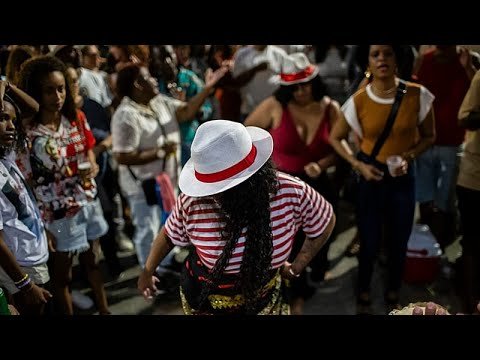
The specific Central and West African roots visible in the festival include Congolese royalty symbolism and Bantu linguistic and cultural traditions that find echoes in Senegal's own griot traditions and ceremonial life. These connections remind us that the African diaspora is not a one-way story but a living bridge between continents.
Brazil's African-descendant population carries forward practices that parallel elements of Senegalese culture, from rhythmic complexity in music to communal structures of celebration. The Mbalax rhythms beloved in Senegal share a percussive spirit with the drumming of Congado groups.
The Africano-Brazilian diaspora serves as a bridge that allows cultural exchange to flow in both directions. Events like the MARTE Festival 6th edition July 24-25, 2026, with its theme "O Futuro é Ancestral — e vem do Sul Global," highlight this shared future rooted in ancestral knowledge.
Africanews coverage, including the French report "Brésil: Sainte Ifigenia, une tradition afro-brésilienne vivante" and the YouTube video "Afro-Brazilian festival celebrates faith, heritage and resistance in Ouro Preto," brings these stories to wider audiences across Africa and beyond.
Senegal's own traditions of royal courts and communal festivals find reflection in the kings and queens of the congado, creating moments of recognition that transcend geography. The diaspora thus becomes a source of mutual inspiration.
Through such connections, we see that the future of African culture lies in honoring these transatlantic links while building new forms of solidarity across the Global South.
What to Watch For
Upcoming cultural events in Ouro Preto include the MARTE Festival in July 2026 and the CineOP film festival, which celebrates cinema history and preservation in the same historic setting. These gatherings extend the spirit of Congado into new artistic expressions.
Growing international recognition of Afro-Brazilian intangible cultural heritage signals a broader appreciation for the festival's unique contribution to world culture. The event continues to attract scholars, artists, and pilgrims eager to experience its power firsthand.
The relevance for African readers lies in lessons of cultural preservation and the power of festivals as resistance. Brazil's recognition and celebration of African-rooted traditions offers models that other nations can adapt to their own contexts.
How African nations can learn from Brazil's approach includes supporting community-led initiatives that keep ancestral practices alive while engaging younger generations. The Congado shows that joy and reverence can coexist with political assertion.
The enduring spiritual connections across the diaspora remind us that distance cannot sever the bonds formed through shared history and rhythm. Each drumbeat in Ouro Preto carries echoes that reach all the way to Dakar.
As the festival evolves, it invites all of us to reflect on how our own traditions can serve as sources of strength and connection in an interconnected world.
By Amara Diop, Staff Writer
This article was produced with AI-assisted research and editorial support. Reporting is based on sources cited in the article.
What's Your Reaction?
 Like
0
Like
0
 Dislike
0
Dislike
0
 Love
0
Love
0
 Funny
0
Funny
0
 Wow
0
Wow
0
 Sad
0
Sad
0
 Angry
0
Angry
0

West Africa/Sahel Correspondent at Global1.News. Dakar-based journalist covering politics, security, climate, and development across Francophone and Anglophone West Africa. Tells the stories of a region undergoing profound transformation.









Comments (0)