
Oil Spill Dispute Strains Relations Between Trinidad and Tobago and Venezuela
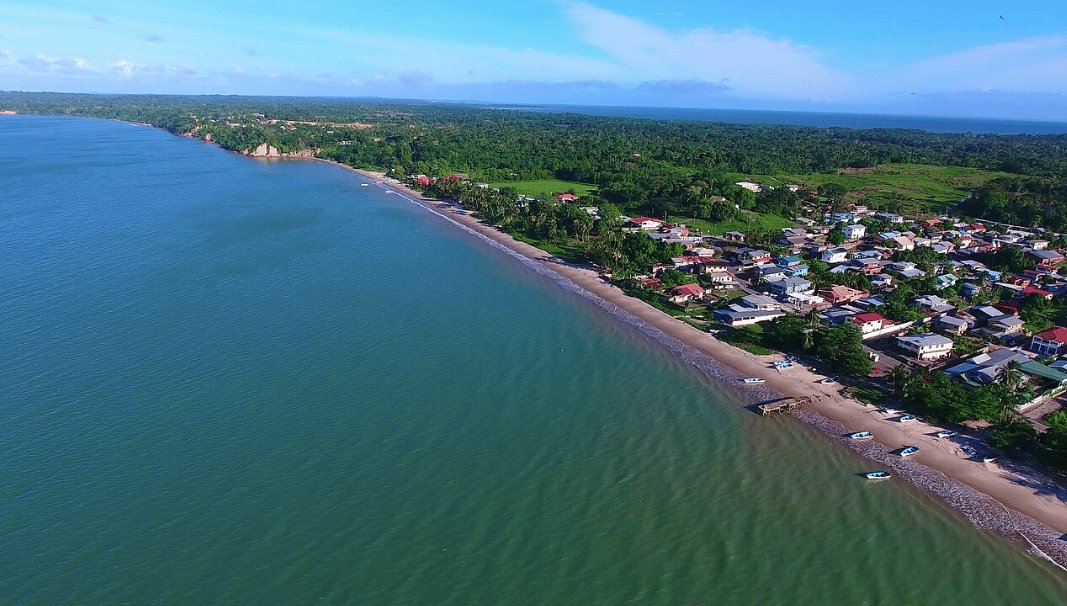
Tensions Surface Over Shared Waters The Gulf of Paria has long been a place where Trinidad and Tobago families fish, work in energy, and connect with neighbours across the water. Now a disagreement over an oil spill is testing those ties. Venezuela has formally demanded information and compensation from Trinidad and Tobago, claiming the spill on 1 May originated in Trinidadian
Tensions Surface Over Shared Waters
The Gulf of Paria has long been a place where Trinidad and Tobago families fish, work in energy, and connect with neighbours across the water. Now a disagreement over an oil spill is testing those ties. Venezuela has formally demanded information and compensation from Trinidad and Tobago, claiming the spill on 1 May originated in Trinidadian waters and threatens serious harm to the shared ecosystem. Port of Spain strongly disputes that account, describing the event as a minor incident involving just ten barrels that was quickly contained.
Local communities on both sides of the gulf feel the weight of uncertainty. Fishermen in Trinidad worry about how any pollution might affect their catches, while families in Venezuela watch for signs that the incident could reach their shores. The exchange of formal demands has brought the matter into the open, reminding everyone how closely our waters and livelihoods are linked.
The Events of 1 May
According to Trinidad and Tobago authorities, the spill occurred on 1 May and involved approximately ten barrels of oil. They state that the response was swift, with the release contained before it could spread widely. This version stands in contrast to the concerns raised by Venezuela, which maintains that the spill originated in Trinidadian waters and carries risks of broader environmental damage across the gulf.
No additional operational details have been released by either side beyond these core positions. The difference in description—one side calling it minor and contained, the other viewing it as a potential threat—has set the tone for the current diplomatic exchange. Residents along the Trinidad coast have noted that such incidents, even when small, can stir anxiety in communities that depend on clean waters for daily life.
The Gulf of Paria as Shared Space
The Gulf of Paria sits between Trinidad and Venezuela, functioning as a single body of water that does not respect national boundaries. Ecologically it supports fish stocks, mangroves, and coastal habitats that sustain both countries. Economically it has been central to energy activities for decades, providing jobs and revenue while also creating shared responsibilities for safety and environmental care.
Politically the gulf represents an area where cooperation has sometimes been necessary and tensions have occasionally arisen. Small island states like Trinidad and Tobago understand that environmental incidents here affect not only immediate coastlines but also the wider Caribbean region. The current dispute highlights how actions in one part of these waters can quickly become matters of regional concern.
Environmental Vulnerability in Caribbean Realities
Caribbean nations face particular challenges when it comes to protecting marine environments. Limited resources for monitoring and response mean that even contained spills require careful attention. Trinidad and Tobago, like its neighbours in CARICOM, balances energy development with the need to safeguard ecosystems that support tourism, fishing, and community well-being.
The May incident, though described differently by the two countries, underscores these vulnerabilities. Mangrove areas and fishing grounds that local people rely upon could be affected if pollution spreads. In small island settings, such risks are felt directly in households and markets, making diplomatic handling of the matter important for maintaining trust within communities.
Historical Energy Ties and Present Challenges
Trinidad and Tobago and Venezuela have a long record of interaction in the energy sector, with periods of cooperation alongside occasional points of friction. The gulf has been at the centre of these relations because of its oil and gas potential. Past experiences have shown that joint approaches to safety and environmental standards can help reduce risks for both sides.
The present disagreement over the 1 May spill arrives against this background. While specific earlier incidents are not detailed in current reports, the pattern of shared waters requiring careful management remains consistent. Both countries continue to navigate how best to address environmental concerns while protecting economic interests that matter to their citizens.
Possible Next Steps Through Diplomacy
With formal demands already issued, attention now turns to how the two countries might move forward. Diplomatic channels, possibly involving CARICOM mechanisms, could provide space for further information exchange. Venezuela has requested details and compensation, while Trinidad and Tobago maintains its position on the limited nature of the spill.
Observers note that measured dialogue would allow both sides to address environmental questions without escalating tensions. For communities in Trinidad and across the gulf, clarity on any ongoing monitoring would help ease concerns. The situation remains fluid, with outcomes likely to depend on continued communication rather than immediate resolution.
By Sharon Sahatoo, Staff WriterThis article was produced with AI-assisted research and editorial support. Reporting is based on sources cited in the article.
What's Your Reaction?
 Like
0
Like
0
 Dislike
0
Dislike
0
 Love
0
Love
0
 Funny
0
Funny
0
 Wow
0
Wow
0
 Sad
0
Sad
0
 Angry
0
Angry
0

Caribbean Correspondent at Global1.News. Based in Port of Spain, Trinidad, covering Caribbean politics, economy, energy, climate, and culture. Amplifying the voices and stories of the Caribbean region.











Comments (0)