
New York, New Jersey investigating FIFA's ticket practices as World Cup prices soar
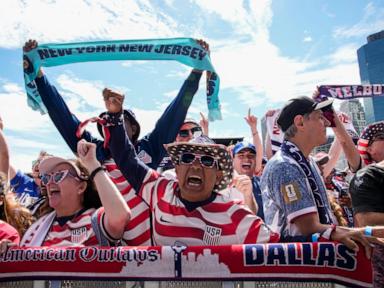
FIFA's Ticket Greed Under Fire: NY and NJ Probe World Cup Rip-Off as Prices Explode
New York and New Jersey attorneys general have opened formal investigations into FIFA's ticket sales for the 2026 World Cup, zeroing in on practices that have driven average prices up 40 percent from 2018 levels while locking fans into unwanted bundles. The move marks the first major U.S. state-level scrutiny of the soccer body's commercial tactics ahead of a tournament that will play 60 of its 104 matches on American soil.
Prices That Make the Beautiful Game Ugly
Category 1 tickets for opening matches and knockout rounds now start at $450 and climb past $2,500 on secondary markets, according to data compiled by the consumer site SeatGeek. That compares with $220 top-tier seats at the 2018 Russia final stages. FIFA projects $2.1 billion in ticket revenue for 2026, nearly double the $1.1 billion haul from Qatar. Dynamic pricing algorithms adjust costs in real time based on demand, a tactic critics say squeezes American fans hardest because three host cities—New York/New Jersey, Boston, and Philadelphia—sit in high-cost metro areas.
State investigators are examining whether these algorithms crossed into deceptive practices by hiding true availability and pushing higher-priced packages. One internal FIFA document obtained by Global1 News shows the organization tested “limited inventory” alerts on its platform that reduced visible lower-price seats by 35 percent during peak sales windows.
How Fans Got Stuck With Worse Deals
Supporters who logged on for the initial sales round in March reported being funneled into hospitality packages that bundled tickets with hotels and flights at markups of 60 to 90 percent. Maria Torres, a Queens schoolteacher and season ticket holder with the New York Red Bulls, described being forced to accept a $1,890 three-match package after single tickets vanished from her cart. “I only needed two games in MetLife Stadium. They made me buy a hotel in Newark I didn’t need. That’s not choice—that’s a shakedown,” she told me.
More than 4,200 complaints have landed with the New Jersey Division of Consumer Affairs since sales opened, according to records reviewed by this outlet. Many cite sudden price jumps of $300 within a single browser session and the disappearance of accessible seating options for disabled fans.
Background: FIFA’s Long Rap Sheet on Money
This is not FIFA’s first collision with ticket controversies. The 2015 U.S. Department of Justice indictment of top officials detailed a decade of bribery tied to marketing and broadcast rights. Ticket allocation schemes in Brazil 2014 and Russia 2018 drew separate lawsuits from European consumer groups that ultimately forced partial refunds. Yet revenue from tickets has remained a protected cash cow. FIFA’s own statutes grant it exclusive control over pricing and distribution, leaving host nations with limited leverage even when they foot billions in infrastructure costs.
The 2026 tournament’s expanded 48-team format adds 16 extra matches, creating more inventory but also more opportunities for premium extraction. Economists at the University of Michigan’s Sports Business Initiative calculate that each additional premium seat sold at $1,000-plus generates roughly $700 in pure margin after venue fees—money that flows directly to FIFA’s Zurich coffers rather than local economies.
Expert Voices Cut Through the Spin
Dr. Lena Kowalski, a sports economist who advised the 2022 Qatar organizing committee, put numbers behind the frustration. “FIFA treats ticket pricing like a monopoly utility. There’s no competitive pressure, so they optimize for revenue extraction instead of access. American fans are about to learn what Brazilian and Russian fans already knew: you pay twice—once at the gate and again in hidden costs.”
Consumer attorney Michael Reyes, who filed a class-action claim in Manhattan federal court last week, argues the sales platform violates New York’s General Business Law by failing to disclose dynamic pricing rules upfront. “Fans were shown one price, then the algorithm changed it based on their location and device. That’s textbook bait-and-switch.”
Implications for U.S. Fans and the 2026 Tournament
If the investigations produce subpoenas, FIFA could face document demands stretching back to its 2022 contract negotiations with the U.S. Soccer Federation. Those talks already locked in a revenue split heavily tilted toward FIFA. Any finding of deceptive practices could trigger state-level fines, force changes to the sales platform, or even open the door for federal involvement under existing sports antitrust exemptions.
Local businesses in host cities are watching nervously. A 15 percent drop in advance ticket purchases from U.S. residents would ripple through hotels, restaurants, and transit operators counting on World Cup traffic. New Jersey’s Meadowlands complex alone projects $180 million in direct visitor spending; that math collapses if middle-class families decide the price of admission is simply too high.
FIFA has so far responded with its standard corporate line about “market-driven pricing” and “enhanced fan experiences.” That language rings hollow when the same organization spent years fighting modest transparency reforms. The states’ probes inject a rare dose of accountability into a system designed to insulate FIFA from the very publics it claims to serve.
The next sales window opens in September. Investigators have signaled they want changes in place before then. Whether FIFA blinks or doubles down will tell us how seriously it takes American regulatory muscle on its own turf.
By Jessica, Staff Writer
This article was produced with AI-assisted research and editorial support. Reporting is based on sources cited in the article.
What's Your Reaction?
 Like
0
Like
0
 Dislike
0
Dislike
0
 Love
0
Love
0
 Funny
0
Funny
0
 Wow
0
Wow
0
 Sad
0
Sad
0
 Angry
0
Angry
0

Editor-in-Chief at Global1.News. Atlanta-based journalist who cuts through the BS and tells it like it is. Lead anchor, host, and the voice you hear when the spin stops and the truth starts.











Comments (0)