
'More than ready': Kumar Sangakkara backs Vaibhav Sooryavanshi for India call-up after dream IPL
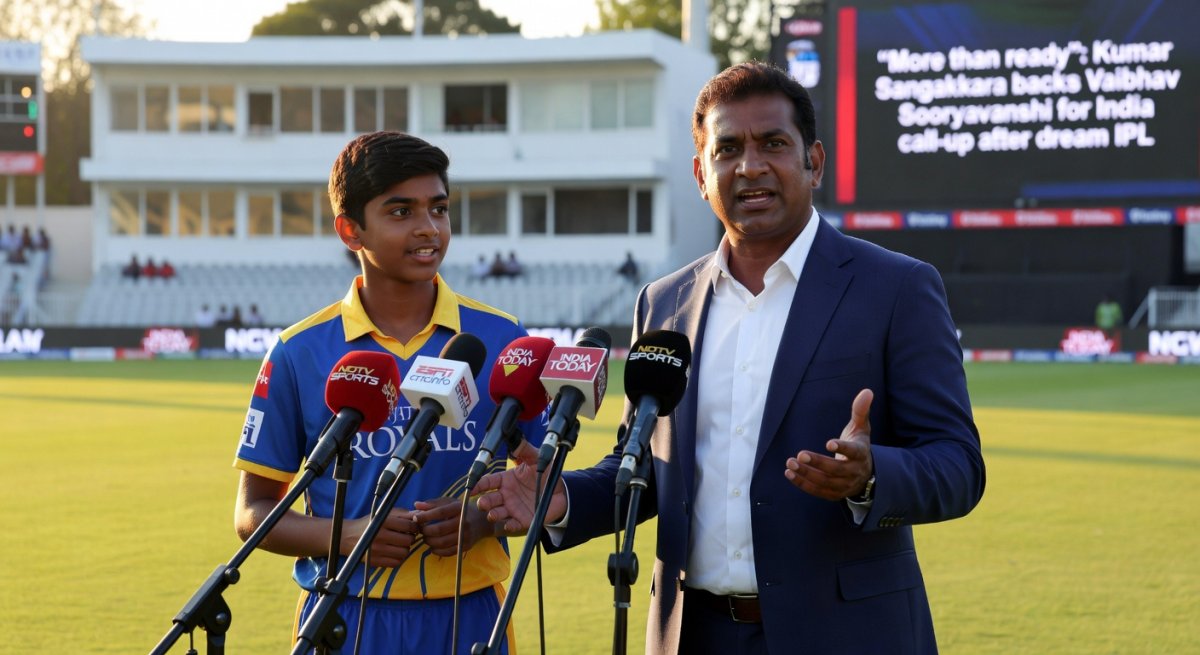
The emergence of 15-year-old Vaibhav Sooryavanshi as a standout performer in the 2026 IPL season has shifted attention from Rajasthan Royals’ playoff exit to a broader question facing Indian cricket: how quickly should exceptional young talent transition from domestic leagues to the national side. Even after the Royals fell short in Qualifier 2, Sooryavanshi’s composed contributions under pressure have prompted former Sri Lanka captain Kumar Sangakkara to declare the teenager “more than ready” for an India call-up. The endorsement carries weight because it comes from a respected voice in global cricket who has observed the IPL’s unique intensity up close.
Sooryavanshi’s campaign with the Royals produced the kind of consistency that usually takes years to develop. In high-stakes knockout matches he delivered another measured innings when the team needed stability, reinforcing the impression that his earlier successes were not isolated flashes. At an age when most players are still navigating school cricket or state under-19 tournaments, his ability to handle both pace and spin in pressure situations has accelerated the debate about India’s selection timeline.
Sangakkara’s Backing Reflects Changing Standards in Talent Evaluation
Kumar Sangakkara’s assessment stands out because it bypasses the usual caution that surrounds underage players. Rather than framing Sooryavanshi’s performances as promising for the future, the former wicketkeeper-batter positioned him as immediately capable of contributing at the highest level. This view aligns with an evolving understanding of how modern data and coaching environments accelerate skill acquisition. IPL franchises now deploy specialized support staff that compresses learning curves previously measured in years. The statement also highlights a shift in how experienced international figures assess readiness. Sangakkara has witnessed multiple generations of players and understands the physical and mental demands of T20 cricket. His willingness to speak directly about a 15-year-old signals that the traditional age-based filters may be softening when exceptional technique and temperament are evident. Such public endorsements can influence selection panels that already monitor franchise performances closely.IPL 2026 Context Reveals New Pathways for Teenage Players
The 2026 season illustrated how the IPL continues to serve as a proving ground that sometimes outpaces conventional domestic structures. Rajasthan Royals’ decision to blood Sooryavanshi in high-pressure matches exposed him to varied bowling attacks and tactical adjustments that state-level cricket rarely replicates at the same frequency. The league’s financial resources allow for individualized preparation, video analysis, and recovery protocols that further compress development timelines. Royals’ campaign ended in Qualifier 2, yet the franchise’s investment in the youngster yielded visible returns. His ability to maintain composure during the knockout phase suggested he had adapted to the league’s pace and scrutiny faster than expected. This outcome feeds into ongoing discussions about whether India should create structured bridges between the IPL and the senior national team for players who demonstrate sustained excellence, regardless of age.Balancing Rapid Progress with Long-Term Athlete Welfare
Any conversation about fast-tracking a 15-year-old must address workload management and physical maturation. Cricket’s increased emphasis on T20 leagues has already prompted governing bodies to introduce workload monitoring for young fast bowlers; similar frameworks for batters are now being examined. Sangakkara’s endorsement implicitly assumes that the support systems around Sooryavanshi are robust enough to mitigate injury risk and burnout. Indian cricket’s recent history shows both success stories and cautionary tales when teenagers have been introduced early. The difference today lies in improved sports-science infrastructure and clearer communication between franchise and national-team medical staff. Still, the responsibility rests with selectors to ensure that short-term gains do not compromise the athlete’s long-term trajectory. Public commentary from figures like Sangakkara adds visibility that can help keep welfare considerations at the forefront of decision-making.Forward Outlook: Selection Timelines and Team Needs
India’s upcoming international schedule will test whether the national setup moves to integrate Sooryavanshi sooner rather than later. Limited-overs series against touring sides often provide opportunities for experimentation, and franchise form remains a key reference point. Should selectors decide to accelerate the process, the emphasis will likely fall on gradual exposure—perhaps beginning with shorter formats—while maintaining his domestic and franchise commitments. The broader implication is that IPL performances are increasingly treated as direct evidence of international readiness. Sangakkara’s intervention has sharpened that conversation without prescribing an exact timeline. What happens next depends on how quickly the cricket ecosystem aligns its age guidelines, medical protocols, and selection criteria around a player whose talent has already outpaced conventional benchmarks. The coming months will reveal whether Indian cricket is prepared to act on the kind of endorsement Sangakkara has now placed on record.By Dante Williams, Staff Writer
This article was produced with AI-assisted research and editorial support. Reporting is based on sources cited in the article.
What's Your Reaction?
 Like
0
Like
0
 Dislike
0
Dislike
0
 Love
0
Love
0
 Funny
0
Funny
0
 Wow
0
Wow
0
 Sad
0
Sad
0
 Angry
0
Angry
0

Dante Williams
Breaking News and Investigations Correspondent at Global1.News. Based in London, covering global breaking news, security, and investigative stories. Known for digging deeper and connecting the dots across continents.













Comments (0)