
Lucknow Aliganj Fire Kills 15 Students: Safety Failures...
Fifteen students are dead and nine others injured after a devastating blaze tore through an illegally constructed coaching centre in Lucknow's Aliganj area on June 22, 2026. The fire exposed catastrophic failures in India's building safety enforcement system — locked exits, missing fire extinguishers, and a 2016 demolition order that was revoked and never revisited. The June 22
Fifteen students are dead and nine others injured after a devastating blaze tore through an illegally constructed coaching centre in Lucknow's Aliganj area on June 22, 2026. The fire exposed catastrophic failures in India's building safety enforcement system — locked exits, missing fire extinguishers, and a 2016 demolition order that was revoked and never revisited.
The June 22 2026 Aliganj Fire: Scale of the Tragedy
Lucknow, Uttar Pradesh – June 24, 2026 —
The June 22 2026 Aliganj Fire: Scale of the Tragedy
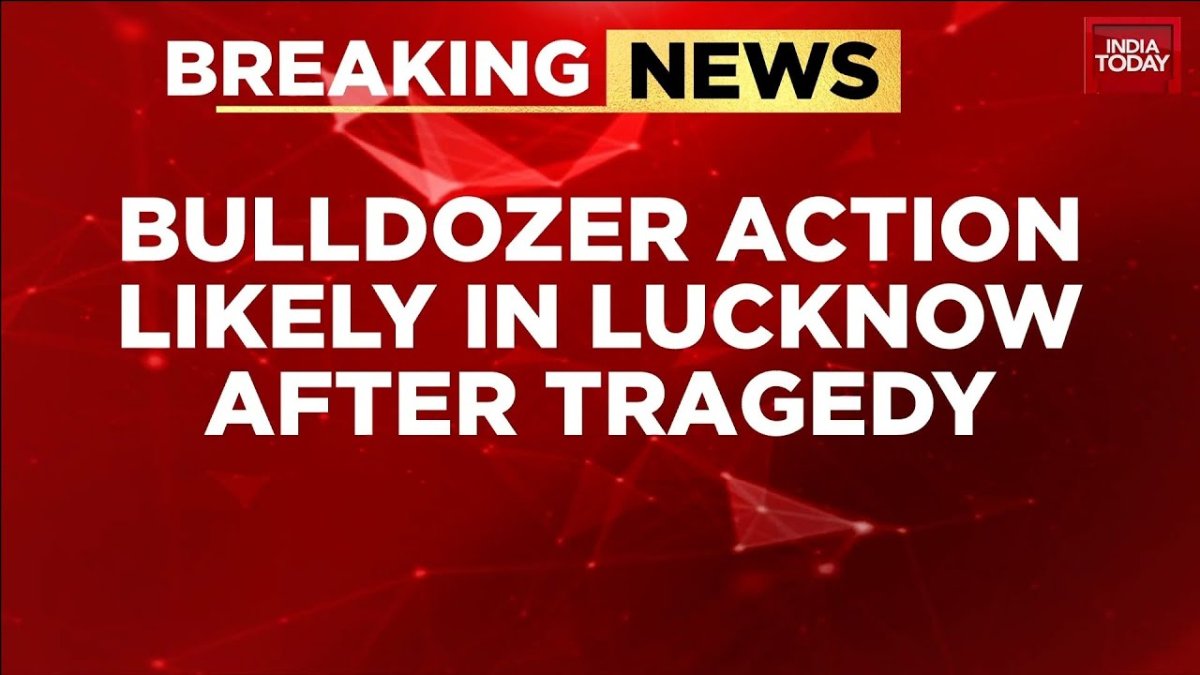
A massive blaze engulfed a three-storey commercial building in Lucknow’s Aliganj area on Monday, June 22 2026. The structure illegally operated an animation training centre that functioned as an unregulated coaching institute. Fifteen people, mostly students aged 18–25, died and nine others sustained injuries ranging from smoke inhalation to severe burns. Rescue teams recovered bodies from upper floors where exits had been locked from inside.
Documented Safety Violations and Infrastructure Failures
Investigators recorded multiple breaches of the National Building Code and Uttar Pradesh fire safety norms. The building lacked any fire clearance certificate, fire extinguishers, or functional smoke detectors. Electrical wiring was overloaded and non-compliant, with several junction boxes showing melted insulation. All stairwell doors on the second and third floors were bolted shut during operating hours, trapping occupants. No emergency lighting or public address system existed.
These conditions directly contravene the Model Building Bye-Laws 2016 and the Uttar Pradesh Fire Prevention and Fire Safety Act 2005, which mandate two-hour fire-rated exits and automatic suppression systems in buildings exceeding 15 metres in height.
Regulatory Lapses: The 2016 LDA Demolition Order and Its Revocation
The Lucknow Development Authority issued a demolition notice against the building in 2016 for unauthorised construction that added two extra floors without sanctioned plans. The order was withdrawn within two months following representations by the joint owners. No subsequent structural audit or fire-safety inspection occurred despite repeated complaints from neighbouring residents. After the June 22 fire, the LDA issued a fresh demolition notice on June 24 2026.
Four joint owners have been arrested under sections of the Indian Penal Code for culpable homicide and violations of building regulations. Four government officials responsible for enforcement have been suspended pending departmental inquiry.
Government Response and Ongoing Investigations
Chief Minister Yogi Adityanath announced ₹5 lakh ex-gratia payment to the families of each deceased victim. The Uttar Pradesh government constituted a Special Investigation Team and a two-member judicial panel to examine systemic failures. One of the arrested owners was hospitalised during court proceedings on June 25 2026 after complaining of chest pain.
The SIT has been tasked with tracing financial flows that allowed the illegal coaching centre to operate for nearly a decade despite the earlier demolition order.
Implications for Public Safety and Occupational Health in Indian Education
The Aliganj incident exposes systemic weaknesses in the regulation of private coaching institutes that have proliferated across Uttar Pradesh, Bihar and Delhi-NCR. More than 1.2 lakh such centres operate without mandatory fire-safety audits, according to Ministry of Education data for 2025. Students spend 6–8 hours daily in these facilities, yet occupational health standards applicable to industrial workplaces are rarely enforced.
Locked exits and absent fire equipment violate basic principles of human factors engineering and egress modelling. In high-density urban pockets like Aliganj, where plot sizes average 150 square metres, vertical expansion without corresponding safety upgrades creates predictable risk multipliers. The 15 deaths represent a 62.5 % fatality rate among the 24 people present, far exceeding the 15–20 % average recorded in comparable Indian commercial fires between 2020 and 2025.
Policy Recommendations for Building Safety Reform
India’s education and urban development frameworks require immediate integration of third-party fire-safety certification linked to annual renewal of coaching licences. The National Education Policy 2020 emphasises student welfare but omits explicit fire-safety mandates for supplementary tuition centres. State governments must digitise building-plan approvals and link them to real-time GIS monitoring by development authorities such as the LDA.
Without these structural changes, similar tragedies remain probable in the estimated 85 000 additional unauthorised coaching premises operating across major Indian cities. The Aliganj fire is not an isolated accident but a measurable outcome of regulatory capture and enforcement gaps that place young citizens at preventable risk. — By Dr. Raj Patel, Staff Writer
This article was produced with AI-assisted research and editorial support. Reporting is based on sources cited in the article.
What's Your Reaction?
 Like
0
Like
0
 Dislike
0
Dislike
0
 Love
0
Love
0
 Funny
0
Funny
0
 Wow
0
Wow
0
 Sad
0
Sad
0
 Angry
0
Angry
0

India/South Asia Correspondent at Global1.News. Analytical voice with a background in science and health journalism. Based in New Delhi, covering Indian politics, education, healthcare, technology, and policy. Breaks down complex data into clear, actionable reporting.













Comments (0)