
King Felipe VI Visit Heals Mexico-Spain Rift at World Cup
**Keywords:** King Felipe VI, Claudia Sheinbaum, Mexico Spain relations, Indigenous rights, cultural exchange, World Cup Guadalajara, diplomatic rapprochement, Ibero-American Summit, Sor Juana exhibition, Maya culture The Diplomatic Breakthrough After years of quiet tension, a single evening at the National Palace has opened a new chapter between Mexico and Spain. The 2019 requ
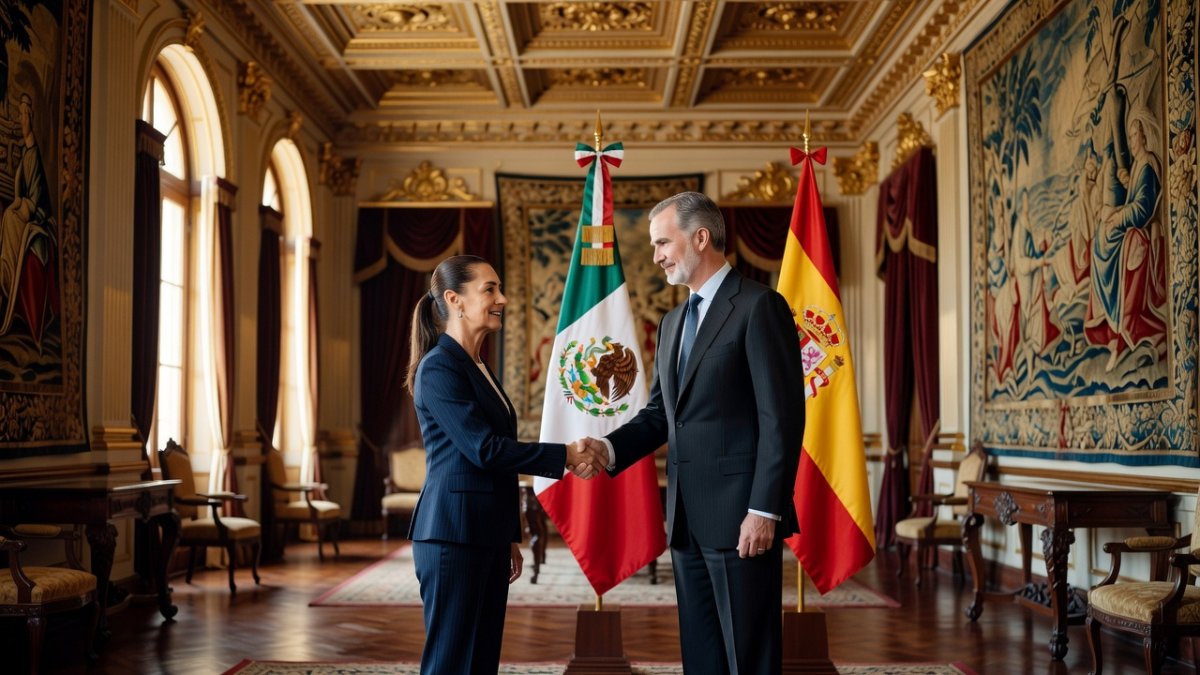
The Diplomatic Breakthrough
After years of quiet tension, a single evening at the National Palace has opened a new chapter between Mexico and Spain. The 2019 request for an apology over the conquest, made during the previous administration, had cooled official warmth for some time. Yet on Thursday night, President Claudia Sheinbaum and King Felipe VI sat together and spoke as neighbors who share deep family roots.
Communities across Mexico felt the shift immediately. Families in Oaxaca and Chiapas who still speak ancestral languages watched the news with quiet hope that their stories would finally sit at the same table as official diplomacy.
The National Palace Meeting
The meeting unfolded in the historic halls where so many chapters of Mexican life have been written. President Sheinbaum described the encounter the next morning as "very cordial," calling the king "a very down-to-earth person." She credited his earlier gesture of acknowledging past abuses for making the conversation possible.
Spain's Foreign Minister José Manuel Albares posted that the visit occurred at "an extraordinary moment in our relations." The Royal Household noted the talks took place "in a context of intensified bilateral relations." Both sides emphasized shared values of democracy, international law, and multilateralism.
For everyday Mexicans, the images of the two leaders walking the palace corridors felt personal. Many recalled grandparents who still tell stories of migration between the two countries, reminding us that diplomacy ultimately touches real households on both sides of the Atlantic.
Indigenous Rights and Recognition
President Sheinbaum spoke with special passion about Mexico's Indigenous heart. She told the king that 28 million Mexicans still identify as Indigenous and that 69 languages continue to be spoken across the country. She linked the grandeur of pre-Hispanic civilizations directly to the Mexico we live in today.
King Felipe listened closely. He proposed dedicating one of the working groups at the upcoming Ibero-American Summit in November to Indigenous peoples. That simple offer carried weight in villages from the Yucatán to the Sierra Madre, where mothers and fathers have long fought for their children's languages to be respected in schools and courts.
The moment felt like a long-awaited acknowledgment that Mexico's future is stronger when it honors its deepest roots.
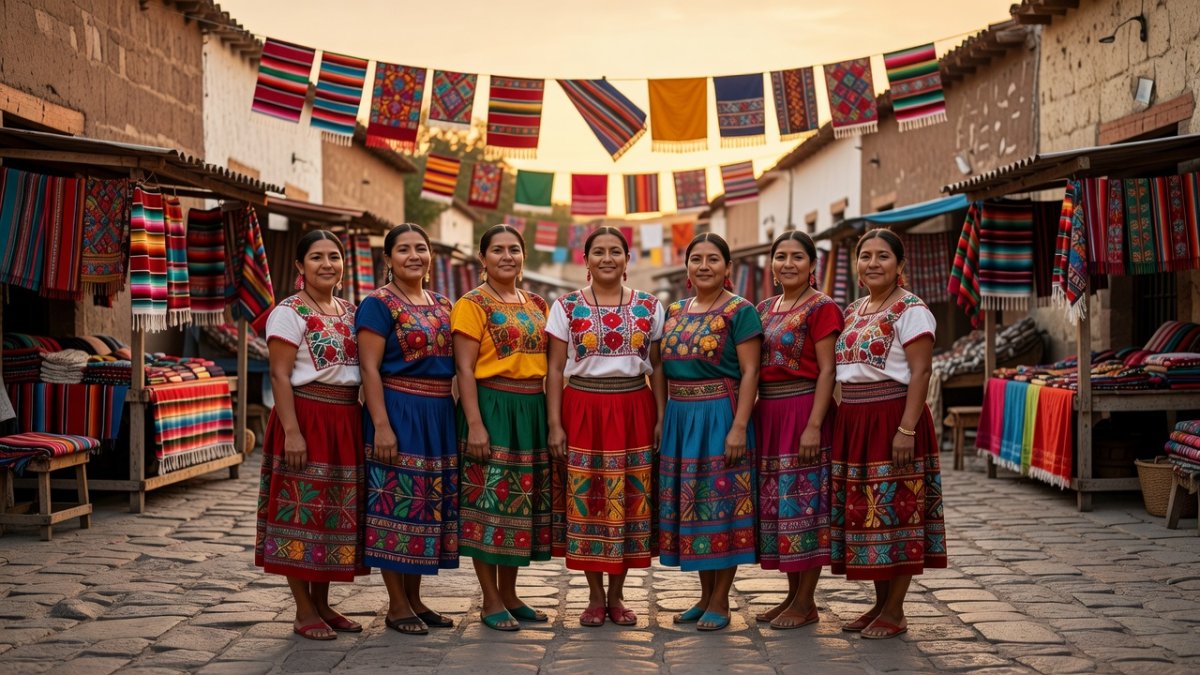
Cultural Exchange Initiatives
Three exhibitions will soon travel to Spain, celebrating the Spanish Republican exiles who found refuge in Mexico, the life and work of Sor Juana Inés de la Cruz, and the richness of Maya culture. These shows will let Spanish audiences meet the living Mexico that exists beyond headlines.
In return, Mexican families will see their own stories reflected back with dignity. Artists, historians, and community elders are already preparing materials that will travel with the exhibitions, ensuring the voices of Indigenous curators and descendants of exiles shape how the stories are told.
Trade and Economic Ties
Beyond culture, the leaders discussed bilateral trade, the economy, and defense of the United Nations Charter. Mexico and Spain continue to strengthen diplomatic ties for the benefit of both peoples, according to the Foreign Ministry. The human connections — families with members in Madrid and Guadalajara, businesses built across generations — remain the strongest bridge.
Small producers in Michoacán and artisans in Puebla stand to gain from renewed cooperation that values fair exchange over distant negotiations. When relations warm, the benefits reach kitchen tables and workshops long before they appear in official statistics.
What This Means for the Future of Mexico-Spain Relations
King Felipe's presence in Guadalajara for the Spain-Uruguay World Cup match on Friday added a joyful, public face to the private diplomacy. The visit showed that two nations can honor history while choosing cooperation.
For Mexican communities, the message is clear: our Indigenous identity, our languages, and our cultural grandeur belong in every conversation about the future. The road ahead includes the Ibero-American Summit and the traveling exhibitions, but it also includes the daily work of families who keep both cultures alive in their homes.
As President Sheinbaum reminded everyone, recognition of the past opens the door to a more just tomorrow. Mexico and Spain are walking through that door together, and the warmth feels like coming home.
Tags: King Felipe VI, Claudia Sheinbaum, Mexico Spain relations, Indigenous rights, cultural exchange, World Cup Guadalajara, diplomatic rapprochement
By Rosa Martinez, Staff Writer
This article was produced with AI-assisted research and editorial support. Reporting is based on sources cited in the article.
What's Your Reaction?
 Like
0
Like
0
 Dislike
0
Dislike
0
 Love
0
Love
0
 Funny
0
Funny
0
 Wow
0
Wow
0
 Sad
0
Sad
0
 Angry
0
Angry
0
Latin America/Andes Correspondent at Global1.News. Based in Bogota, covering politics, environment, energy, and social movements across the Andean region. Passionate about environmental journalism and communities protecting their land.










Comments (0)