
Senate Impeachment Court Opens with Clash Over Presiding Officer in Sara Duterte Trial
In a recent ANC 24/7 report covering the Senate session in Pasay City, the impeachment trial of Vice President Sara Duterte opened on Monday with all 21 senators present as an impeachment court, immediately sparking an hour-long floor clash over the election of the presiding officer that set the tone for proceedings centered on charges of misuse of confidential funds, failure t
In a recent ANC 24/7 report covering the Senate session in Pasay City, the impeachment trial of Vice President Sara Duterte opened on Monday with all 21 senators present as an impeachment court, immediately sparking an hour-long floor clash over the election of the presiding officer that set the tone for proceedings centered on charges of misuse of confidential funds, failure to disclose wealth, bribery, and death threats against President Marcos, First Lady Liza Araneta-Marcos, and House Speaker Martin Romualdez.
Senate Impeachment Court Opens with Clash Over Presiding Officer in Vice President Sara Duterte Trial
Manila, Philippines — The Senate convened as an impeachment court on Monday at its session hall in Pasay City with every senator in attendance to begin the trial of Vice President Sara Duterte. The first major event unfolded as an hour-long heated debate on the floor over who would serve as presiding officer, replacing the default role of Senate President Win Gatchalian under prior rules. Senator Panfilo "Ping" Lacson moved to elect Senator Francis "Chiz" Escudero, a lawyer and former Senate president, to the post. The vote passed 12 to 8, installing Escudero immediately and shifting control of the gavel for the duration of the trial that could bar Duterte from the 2028 presidential race if she receives 16 guilty votes.
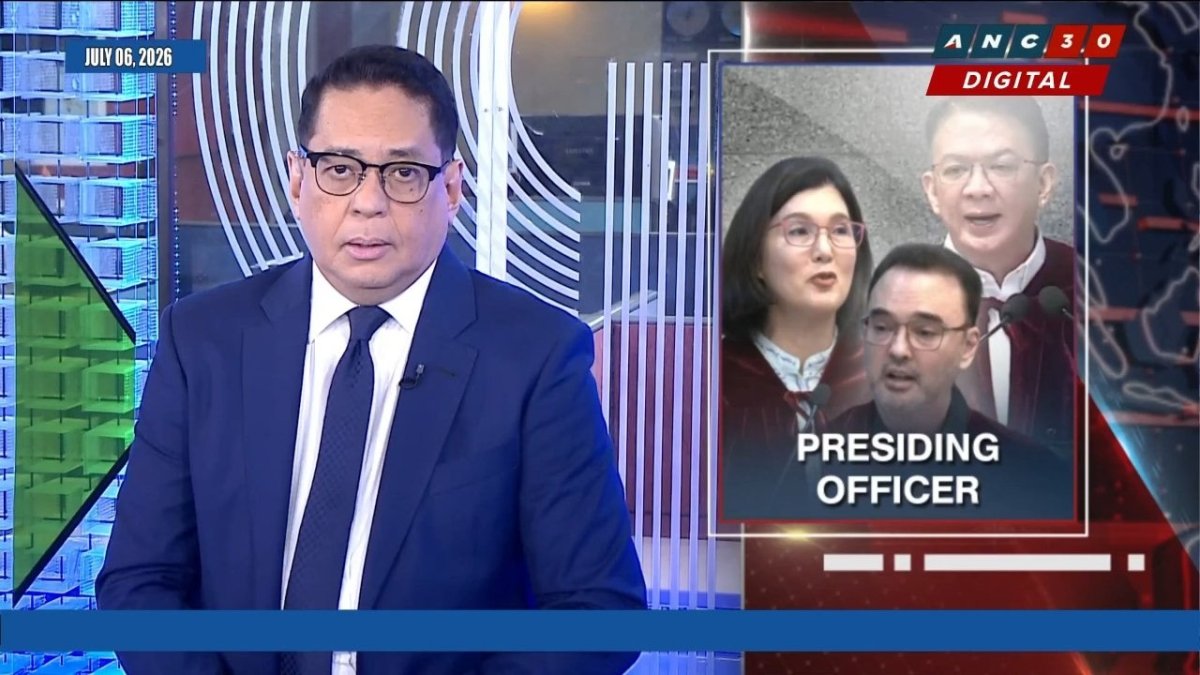
The Clash Over the Gavel
Senator Panfilo "Ping" Lacson opened the debate by nominating Senator Francis "Chiz" Escudero, arguing that only a lawyer possesses the detailed knowledge of court rules and legal procedure needed to keep proceedings smooth and on track. Twelve senators supported the motion while eight opposed it, confirming Escudero's election on the spot. Senate Minority Leader Alan Peter Cayetano, also a lawyer, led the opposition and warned that the sudden change could render the entire trial null and void. Senator Pia Cayetano joined the objections by questioning the legality of altering the presiding officer mid-process. The 12-8 outcome locked in Escudero's authority before any evidence on the confidential funds or death-threat charges was presented.
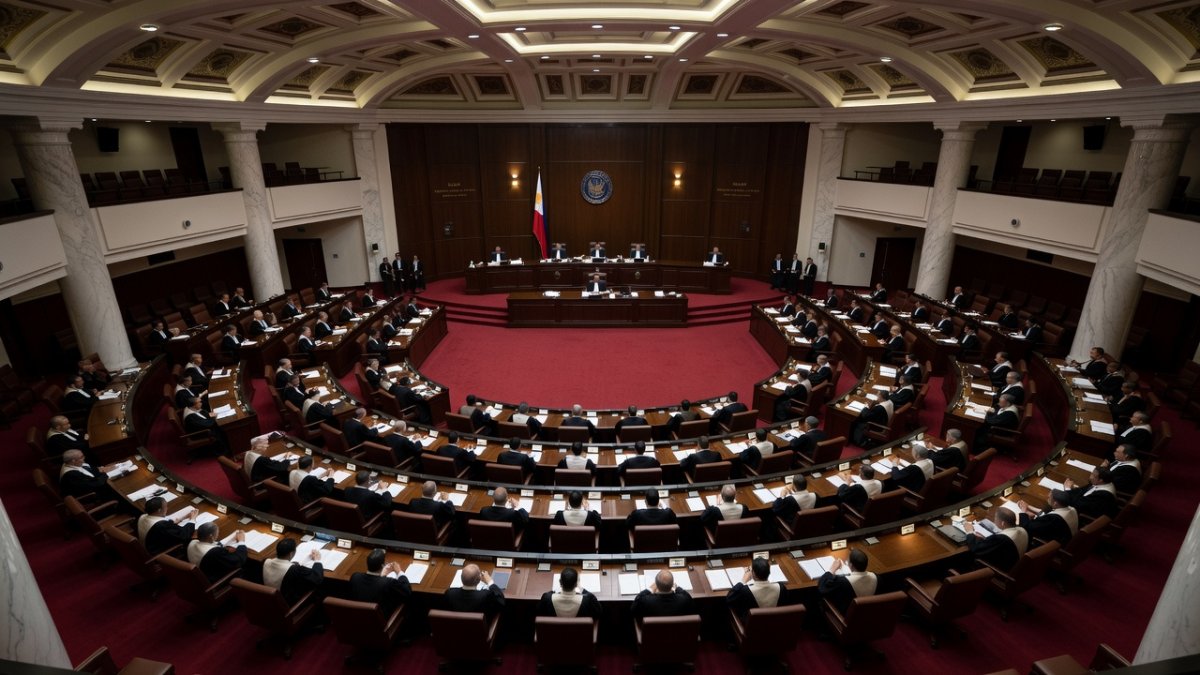
Legal Battle: Constitution vs. Senate Rules
Senate President Win Gatchalian defended the amendment by pointing to Senate Resolution No. 1234, which the chamber approved on June 3 and ratified on June 17 without any opposition at the time. He stated that the resolution explicitly authorized the election of a new presiding officer for impeachment proceedings. Senator Kiko Pangilinan backed the move by citing Article 11, Section 3, paragraph 8 of the Constitution, which grants Congress the power to promulgate its own rules on impeachment. Former Senate President Tito Sotto also spoke in favor of Escudero's election, reinforcing that the Senate holds internal authority to organize its court. These arguments framed the 12-8 vote as a lawful exercise rather than an ad-hoc maneuver.
Escudero's Controversial History
Escudero previously presided over an impeachment court in August 2025 while serving as Senate president, when the chamber voted 19-0 to archive the first set of articles against Duterte and effectively ended that case. Tindig Pilipinas coalition leaders immediately expressed concern that Escudero's "twisted interpretation" of the Constitution's "forthwith" directive could delay or derail the current trial. Escudero had joined Gatchalian's bloc on the final day of the regular session on June 3. Duterte had endorsed Escudero's Senate candidacy in 2022, and Gatchalian himself maintains documented political ties through a P12.827 million payment for her political advertisements that same year. These connections raised questions among observers about impartiality as the trial moves forward on charges that include failure to disclose wealth and bribery.
Day One Proceedings: What Happened
Vice President Sara Duterte did not appear on the opening day. Her defense team stated that the absence formed part of their legal strategy. On the same morning, Senator Rodante Marcoleta was arrested on a plunder charge before the trial formally began. Outside the Senate building in Pasay City, groups supporting and opposing Duterte staged simultaneous protests. The Philippine National Police deployed 6,000 officers to maintain security around the complex. Under the Senate rules that Escudero now enforces, conviction still requires 16 votes, or two-thirds of the 23-member chamber, to remove Duterte from office and disqualify her from the 2028 ballot.
Impact on the Philippine Political Landscape
The outcome of this trial directly shapes the 2028 presidential contest for millions of Filipino voters who see Duterte as a potential candidate from Davao. Families in barangays across Cebu, Baguio, and Quezon City watch how confidential-fund rules affect local governance and public trust. OFWs sending remittances home worry that prolonged political instability could weaken the peso and raise living costs. Jeepney drivers and sari-sari store owners in Manila already feel the ripple effects of heightened security deployments that disrupt daily commutes. The Marcos-Duterte rift, once contained within elite circles, now plays out in public hearings that determine whether accountability mechanisms protect ordinary citizens or shield powerful officials.
What to Watch For
Key witnesses on the misuse of confidential funds and the death-threat allegations will take the stand in coming weeks. The 16-vote threshold remains the decisive number, and any shift in senator alignments could alter the final tally. Escudero's rulings on evidence admissibility will set precedents for the remainder of the trial. The next sessions will reveal whether the Senate can deliver a timely verdict or whether procedural disputes continue to slow the process. Filipinos across the archipelago will track each vote because the result decides whether a sitting vice president faces removal and whether future leaders operate under stronger checks.
The opening clash over the gavel has already shown that procedural fights can overshadow substantive charges, leaving communities from Pasay to Davao waiting to see whether the impeachment court ultimately serves justice or simply extends political maneuvering into the next election cycle.
By Bella Reyes, Staff Writer
This article was produced with AI-assisted research and editorial support. Reporting is based on sources cited in the article.
What's Your Reaction?
 Like
0
Like
0
 Dislike
0
Dislike
0
 Love
0
Love
0
 Funny
0
Funny
0
 Wow
0
Wow
0
 Sad
0
Sad
0
 Angry
0
Angry
0

Philippines/Southeast Asia Correspondent at Global1.News. Manila-based journalist covering Philippine politics, environment, maritime security, and social issues. Passionate about marine conservation and the communities protecting the Philippines' natural heritage.














Comments (0)