
Japan Turns to Rice as Naphtha Alternative: Bioplastics Innovation in an Era of Supply Disruption
Middle East instability has disrupted naphtha supplies critical to Japanese manufacturing. Companies are advancing rice-based bioplastics under METI and MAFF guidance.
Ongoing instability in the Middle East is forcing Japanese manufacturers to reconsider their reliance on imported naphtha, a critical petrochemical feedstock. The July 15 NHK WORLD-JAPAN report "Naphtha worries prompt industries to rethink rice" highlighted how companies are turning to rice as a renewable alternative for plastics and industrial materials.
Japan Turns to Rice as Naphtha Alternative: Bioplastics Innovation in an Era of Supply Disruption
Tokyo, Japan — July 16, 2026 — As Middle East disruptions threaten the supply of naphtha — a vital input for plastics, synthetic fibers, and paints — Japanese companies are accelerating development of rice-based bioplastics. With approximately 40 percent of Japan's naphtha originating from the Middle East, the strategic shift toward domestically sourced biomass feedstocks is gaining urgency.
Japan's Naphtha Dependency
Naphtha serves as a foundational feedstock for a wide range of petrochemical derivatives essential to Japanese manufacturing. The country sources roughly 40 percent of its naphtha through imports from the Middle East, creating significant exposure whenever regional shipping lanes experience disruptions.
Reports from July 16, 2026 indicate that Japanese authorities are again considering naphtha stockpiling measures. Such steps would reopen long-standing discussions about strategic reserves and their role in buffering short-term supply shocks. The Japan Times reported that the government is actively evaluating stockpile requirements as the Strait of Hormuz situation continues to affect tanker movements.
Rice-Based Bioplastics Technology
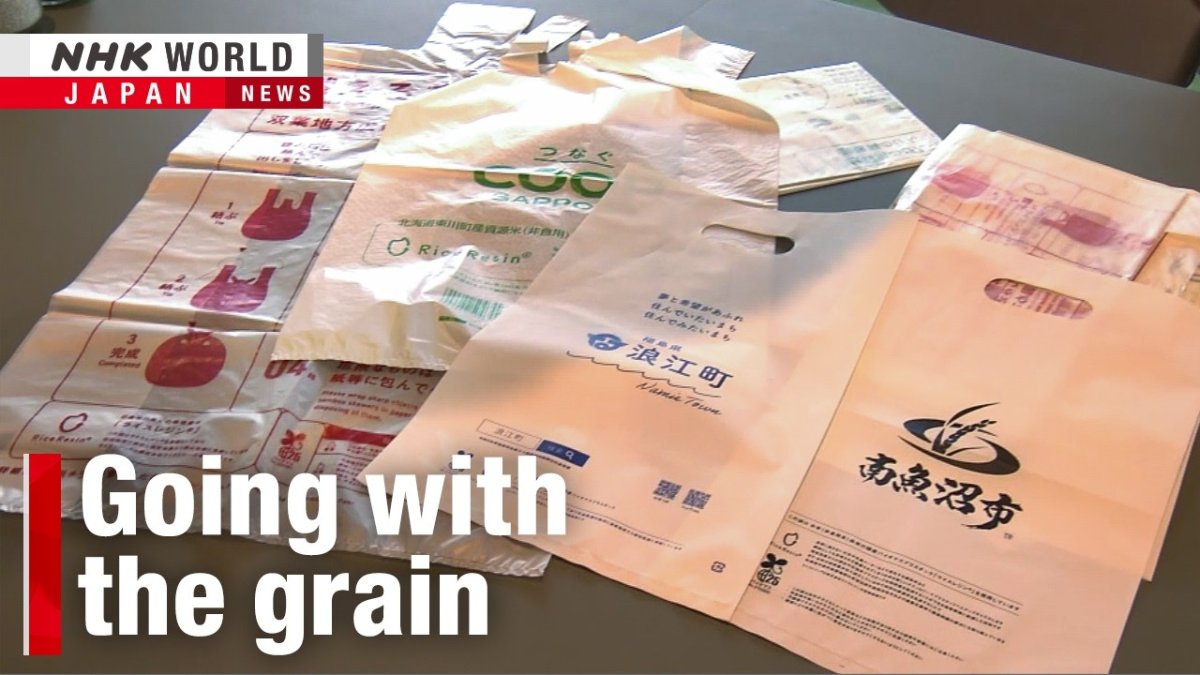
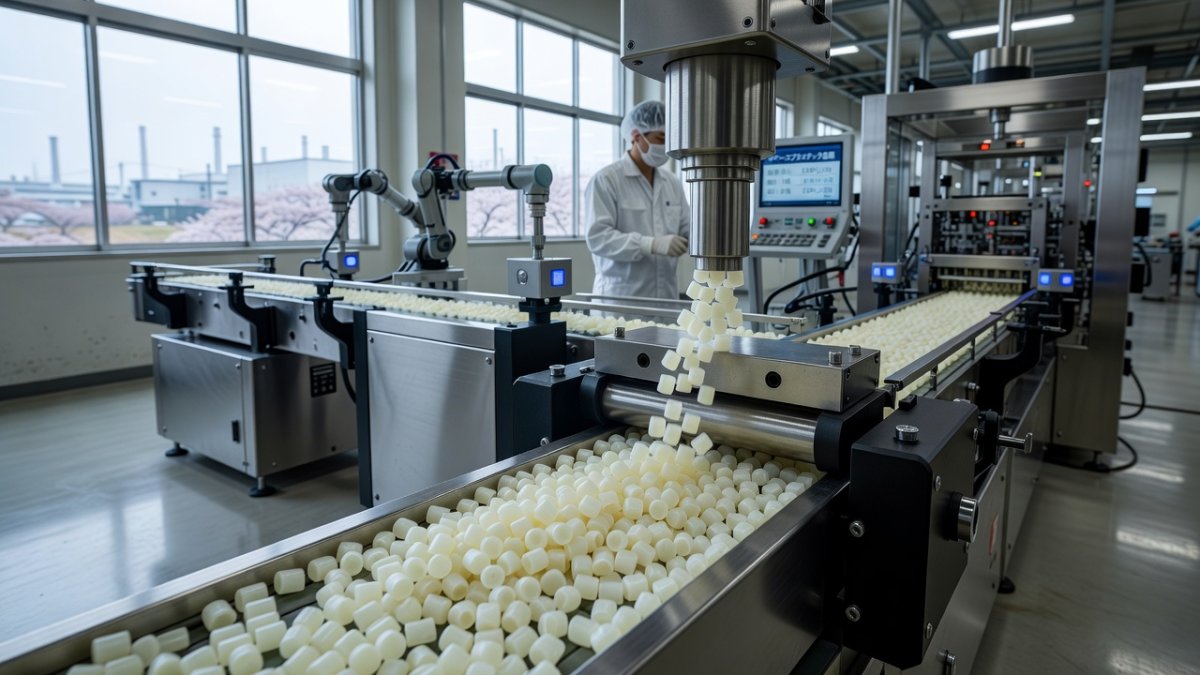
Biomass Resin Holdings, based in Tokyo's Chiyoda Ward, has commercialized "Rice Resin," a biomass plastic formulated with rice as the primary renewable input. The material is positioned as a direct substitute for portions of petroleum-derived naphtha in selected applications. The company's technology converts rice into polymer resins that can be processed using existing molding equipment.
Mitsubishi Chemical is separately advancing bio-based polymers, including bio-PBS (polybutylene succinate), a biodegradable polyester suitable for packaging and agricultural films. These developments align with broader industry interest in feedstocks that can be processed through existing refinery infrastructure as drop-in replacements, reducing the need for new capital investment.
In February 2026, a 14-company consortium spanning five countries announced a supply chain for Sony products that incorporates renewable naphtha. The project illustrates how bio-based routes are being integrated into established manufacturing networks for consumer electronics.
Government Policy Support
METI's Biodegradable Plastic Introduction Roadmap continues to guide the phased introduction of bioplastics across industrial sectors. Parallel support comes from the Green Transformation (GX) policy framework, which allocates resources toward bio-based material development as part of Japan's broader decarbonization strategy.
The Ministry of Agriculture, Forestry and Fisheries has expanded programs that permit non-food uses of rice. Japan produces approximately 7.5 million tons of rice annually and ranks as the world's ninth-largest producer, providing a domestic biomass base that can be directed toward industrial applications without directly competing with food markets. MAFF has actively promoted the development of new demand channels for rice beyond traditional food consumption.
Economics of Biobased Feedstocks
Japan's bioplastics market is projected to reach roughly 80,000 tons by 2030, according to Yano Research. Global demand is expanding, with glycerol, sugar, and starch serving as primary feedstocks alongside rice. Bio-naphtha's compatibility with existing refinery units reduces the need for new capital investment in processing equipment, making it an economically attractive option for petrochemical companies.
Japanese firms view the shift as both a risk-management strategy and a competitive opportunity. Early adoption positions manufacturers to meet emerging international requirements for lower-carbon materials while maintaining compatibility with current production lines. The Society 5.0 framework, which emphasizes sustainable resource cycles and reduced dependence on imported fossil inputs, provides policy coherence for these investments.
Implications for Japan's Manufacturing Sector
Shifting portions of feedstock demand to domestically sourced rice can improve supply-chain resilience for sectors that rely on consistent petrochemical inputs. Manufacturers gain an additional buffer against geopolitical events that affect Strait of Hormuz traffic, while also reducing their carbon footprint through the use of renewable biomass.
For the chemical industry, the transition represents both a technical challenge and a strategic opportunity. Companies that successfully integrate bio-based feedstocks may gain preferential access to markets with stringent sustainability requirements, including the European Union, where regulations on recycled and biobased content are tightening. The shift also supports Japan's circular economy objectives under the GX framework.
What to Watch For
Key near-term indicators include any formal decision on naphtha stockpiling volumes and the pace at which METI and MAFF expand pilot programs for rice-based resins. Additional milestones will involve further announcements from Mitsubishi Chemical and Biomass Resin Holdings regarding scaled production capacity.
Continued monitoring of the 14-company renewable-naphtha supply chain will reveal how quickly bio-based alternatives can be integrated into high-volume consumer-electronics manufacturing. The trajectory of Middle East tensions will also play a decisive role in determining the speed of Japan's pivot toward domestic biomass feedstocks.
By Kenji Tanaka, Staff Writer
This article was produced with AI-assisted research and editorial support. Reporting is based on sources cited in the article.
What's Your Reaction?
 Like
0
Like
0
 Dislike
0
Dislike
0
 Love
0
Love
0
 Funny
0
Funny
0
 Wow
0
Wow
0
 Sad
0
Sad
0
 Angry
0
Angry
0

Japan Correspondent at Global1.News. Tokyo-based voice covering Japanese politics, technology, economy, and culture. Tracks the intersection of tradition and innovation in one of the world's most dynamic societies.















Comments (0)