
Israeli occupiers attack Palestinian homes, lands across occupied West Bank
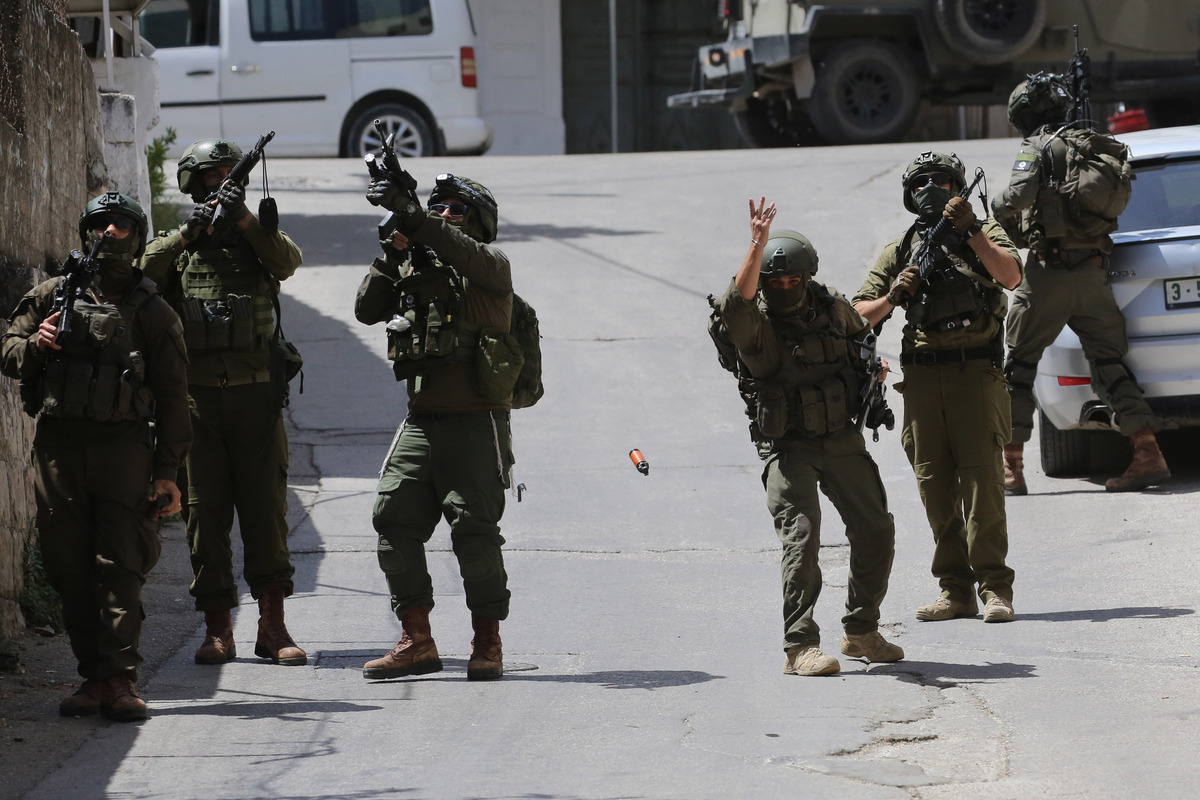
The recent attacks on Palestinian homes and property in the occupied West Bank underscore the ongoing strain on civilian life in a region long defined by territorial disputes and restrictions on movement. On Saturday, forces damaged homes and lands in both the northern and southern sectors, with a concentrated operation at dawn targeting several residences in the town of Beita, located south of Nablus. These incidents reflect a pattern that continues to shape daily realities for Palestinian communities and raises persistent questions about security, property rights, and long-term stability.
The timing of the actions, carried out across dispersed locations, points to coordinated efforts that extend beyond isolated events. Residents in Beita reported structural damage to multiple dwellings as operations unfolded in the early hours, while additional sites in the northern and southern West Bank experienced similar interference with homes and surrounding lands. Such developments occur against a backdrop of longstanding occupation that has affected land use and access for decades.
Details of the Operations in Beita and Beyond
The focal point of the reported activity centered on Beita, where several homes sustained damage during the predawn hours. This northern West Bank town lies in an area where Palestinian communities have faced repeated pressures on residential structures and agricultural plots. Parallel actions affected properties further south, indicating a broader sweep across the occupied territory on the same day. These events align with the source description of attacks on homes and lands that resulted in measurable harm to property. No further operational specifics were detailed in available reporting, yet the geographic spread from Nablus southward illustrates how such measures can disrupt multiple localities simultaneously.Context Within the Occupied West Bank
The West Bank has remained under occupation since 1967, creating a framework in which land administration, building permits, and property protections operate under distinct rules for Palestinian residents. Communities like those in Beita and surrounding areas have historically relied on agriculture and local construction for sustenance, making any interference with homes and lands particularly disruptive to economic continuity. International frameworks, including the Fourth Geneva Convention, address the protection of civilian property during occupation. Reports of damage to Palestinian residences and farmland contribute to discussions on compliance with these standards and the cumulative effects on population stability. The northern and southern sectors of the West Bank each carry unique demographic and topographic features that influence how such incidents unfold and are experienced locally.Human Rights and Humanitarian Dimensions
Attacks resulting in damaged homes and lands carry direct implications for the affected families, including potential displacement risks and interruptions to essential services. In regions where movement is already constrained, loss of shelter or productive land can compound existing vulnerabilities related to access to water, education, and healthcare. Human rights organizations have long documented the broader effects of property interference in the occupied territories, noting patterns that affect community cohesion and individual well-being. The Saturday operations in Beita and other sites add to this record, prompting renewed attention to the need for accountability mechanisms and protections for civilian infrastructure. From a humanitarian perspective, these actions intersect with wider concerns about food security and livelihood, as agricultural lands form a critical base for many Palestinian households. Sustained damage in both northern and southern areas can influence migration trends within the West Bank and place additional burdens on local support networks.Implications for Regional Stability and International Engagement
The recurrence of such incidents maintains pressure on diplomatic channels aimed at addressing core issues of the Israeli-Palestinian conflict. Observers note that property-related actions in the West Bank often feature in negotiations or statements from involved parties and international bodies, including the United Nations and regional actors. Forward momentum on these matters will likely depend on verification processes and any subsequent reporting from Palestinian authorities or monitoring groups. The events of Saturday serve as a reminder that localized operations can influence larger conversations about ceasefires, settlement policy, and the viability of a two-state framework. As developments continue, attention will turn to whether additional measures emerge in the coming days or weeks and how Palestinian communities adapt in the interim. Documentation efforts by local and international observers remain essential for tracking patterns and informing policy responses.By Fatima Al-Rashid, Staff Writer
This article was produced with AI-assisted research and editorial support. Reporting is based on sources cited in the article.
What's Your Reaction?
 Like
0
Like
0
 Dislike
0
Dislike
0
 Love
0
Love
0
 Funny
0
Funny
0
 Wow
0
Wow
0
 Sad
0
Sad
0
 Angry
0
Angry
0

Fatima Al-Rashid
Gulf/MENA Correspondent at Global1.News. Based in Doha, covering Gulf politics, energy markets, diplomacy, and development across the Middle East and North Africa. Tracks the economic transformation of the Gulf states.














Comments (0)