
Iran's Proxy Network Degraded After Israel Campaign
Since October 7, 2023, Israel's military campaign against Iran-backed proxies has fundamentally altered the strategic landscape of the Middle East. The degradation of Hezbollah and Hamas — the two most formidable pillars of Tehran's "axis of resistance" — raises a critical question for regional analysts and policymakers alike: has Israel permanently weakened Iran's proxy networ
Since October 7, 2023, Israel's military campaign against Iran-backed proxies has fundamentally altered the strategic landscape of the Middle East. The degradation of Hezbollah and Hamas — the two most formidable pillars of Tehran's "axis of resistance" — raises a critical question for regional analysts and policymakers alike: has Israel permanently weakened Iran's proxy network, or are these tactical victories that Tehran can reverse over time?
The Scale of Degradation in Hezbollah and Hamas
Since the October 7, 2023 attacks, Israeli operations have inflicted measurable damage on Iran's key proxies. Hezbollah lost its longtime Secretary General Hassan Nasrallah in a 2024 targeted strike, removing a central figure who coordinated operations across Lebanon and Syria. Hamas has seen its command networks and tunnel infrastructure in Gaza heavily disrupted, though both groups retain some operational cells according to Adi Schwartz, Director of Research at the Misgav Institute.
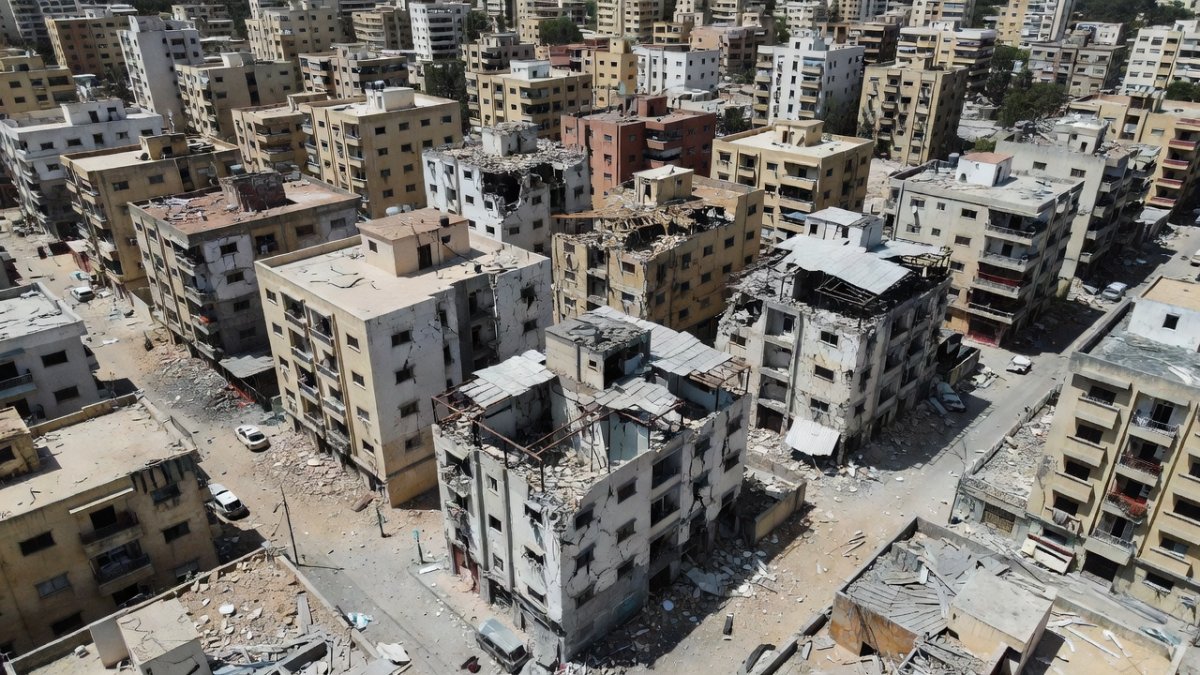
These setbacks represent more than isolated losses. Hezbollah's financial infrastructure in Beirut's Dahiyeh district suffered repeated Israeli airstrikes, cutting access to funding streams that once sustained its military wing. Hamas faces similar constraints on resupply routes through Egyptian and Sudanese territory.
Regional Realignment After the Assad Collapse
The 2024 fall of the Assad regime in Syria to Turkish-backed Sunni forces eliminated a critical land bridge for Iranian weapons transfers to Hezbollah. Damascus had served as the primary conduit for advanced missiles and personnel movements since the 1980s. Without this corridor, Tehran must now rely on riskier maritime or air routes that face greater Israeli interdiction.
This development strengthens Turkey's position in northern Syria while complicating Iran's efforts to project power toward the Mediterranean. Sunni-Shia competition has intensified as a result, with Gulf states watching the vacuum for opportunities to limit Shia militia expansion.
Iran's Internal Pressures and Proxy Sustainability
Massive anti-regime protests swept Iran in early 2026, diverting regime resources toward domestic security rather than external operations. The Islamic Revolutionary Guard Corps now balances support for remaining proxy networks against the need to contain unrest at home. This internal strain reduces Tehran's ability to replenish Hezbollah and Hamas at previous levels.
Adi Schwartz notes that while both organizations remain active, their capacity for sustained high-intensity conflict has declined. Hezbollah continues attempts to rebuild under the Lebanon ceasefire framework, yet Israeli strikes continue to target reconstruction efforts in southern Lebanon and the Bekaa Valley.
Strategic Calculus for Israel and Iran
Israel seeks to convert these tactical successes into durable strategic gains by preventing full proxy reconstitution. Its leverage includes continued airstrikes, intelligence penetration, and diplomatic engagement through the Abraham Accords framework that has already normalized relations with several Arab states. The goal is to raise the cost of Iranian proxy activity above what Tehran considers sustainable.
Iran's calculus centers on preserving deterrence and maintaining influence in Lebanon and Gaza despite losses. Its remaining leverage includes residual missile stockpiles in Hezbollah hands and the threat of renewed attacks on Israeli territory if pressure becomes intolerable. Second-order effects include potential escalation involving Iraqi Shia militias or Houthi forces in Yemen, though these groups have shown limited ability to compensate for Hezbollah's reduced role.
Normalization Trends and Long-Term Regional Dynamics
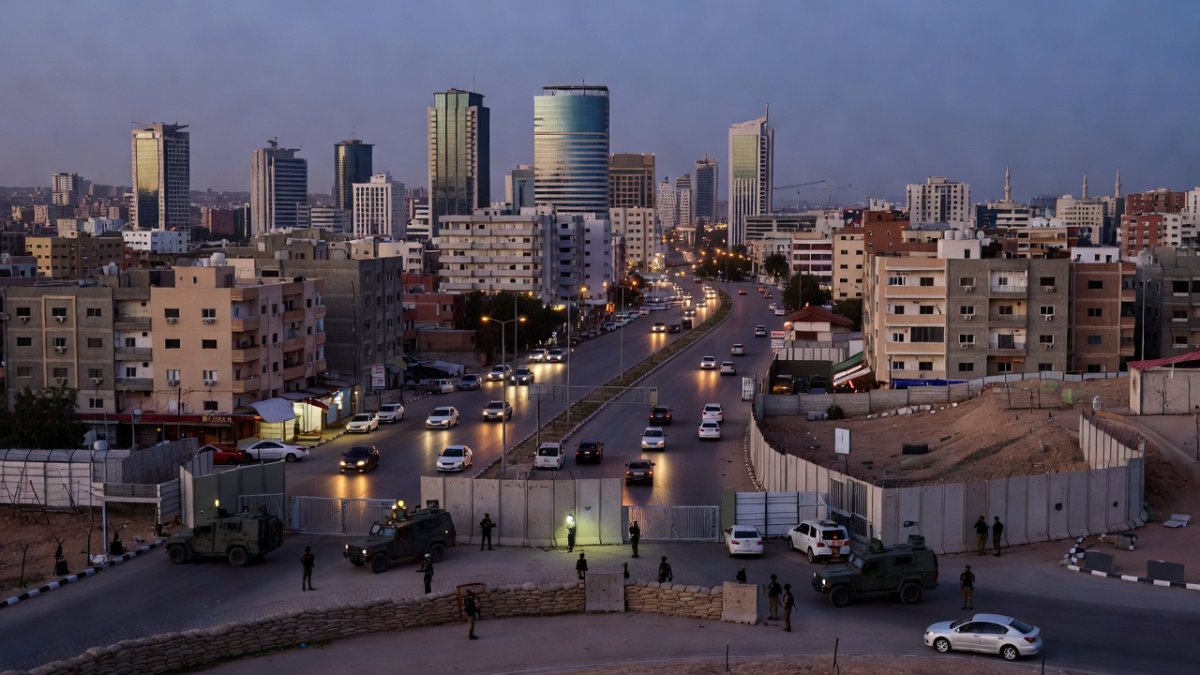
The Abraham Accords continue to reshape alliances, drawing Gulf states closer to Israel on security matters while isolating Iran's axis. Saudi Arabia and the UAE have increased coordination on missile defense and intelligence sharing, reducing the appeal of Iranian proxy threats for Sunni populations. Energy market stability remains a shared priority that further incentivizes de-escalation between Arab states and Israel.
Turkey's foreign policy adds another variable, as Ankara balances support for Sunni factions in Syria with efforts to avoid direct confrontation with Israel. Great power competition between the United States and Iran further influences outcomes, with Washington providing Israel diplomatic cover and advanced munitions while Tehran seeks Russian and Chinese diplomatic backing.
Translating Military Pressure into Lasting Outcomes
The central question remains whether Israel's tactical victories can produce enduring strategic change. Hezbollah and Hamas have lost significant military capability, yet both retain ideological commitment and some residual forces. If the Lebanon ceasefire holds and reconstruction in Gaza remains restricted, Iran's proxy model faces its most serious challenge in decades.
Analysis suggests that sustained Israeli pressure, combined with the loss of Syrian territory and Iranian domestic constraints, could force Tehran to recalibrate its regional strategy. However, complete elimination of these networks appears unlikely in the near term. The coming years will test whether the current degradation produces a durable shift in the balance of power or merely a temporary setback for Iran's forward defense doctrine.
By Malik Hassan, Staff WriterThis article was produced with AI-assisted research and editorial support. Reporting is based on sources cited in the article.
What's Your Reaction?
 Like
0
Like
0
 Dislike
0
Dislike
0
 Love
0
Love
0
 Funny
0
Funny
0
 Wow
0
Wow
0
 Sad
0
Sad
0
 Angry
0
Angry
0
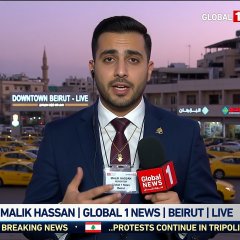
Middle East Correspondent at Global1.News. Based in Beirut, covering politics, conflict, energy, and society across the Middle East. Brings context and depth to a region often reduced to headlines.












Comments (0)