
Iran Fires Ballistic Missiles at Israel After Beirut Strike, Ceasefire at Risk
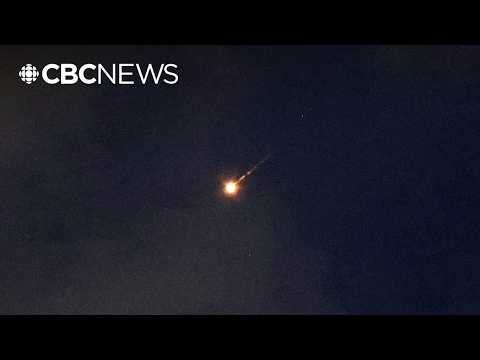
In a CBC News video broadcast on Sunday evening, clear footage captured Iranian missile launches from sites near Tehran heading toward Israeli territory. The video also showed air raid sirens activating across northern Israel as the projectiles approached. This escalation follows days of warnings from Iranian officials regarding Israeli actions in Lebanon. Iran Fires Ballistic
In a CBC News video broadcast on Sunday evening, clear footage captured Iranian missile launches from sites near Tehran heading toward Israeli territory. The video also showed air raid sirens activating across northern Israel as the projectiles approached. This escalation follows days of warnings from Iranian officials regarding Israeli actions in Lebanon.
Iran Fires Ballistic Missiles at Israel After Beirut Operation
Ottawa, Ontario – June 8, 2026 — Iranian forces launched ten ballistic missiles in coordinated waves toward northern Israel, the Sharon region and Samaria on Sunday June 7. The Islamic Revolutionary Guard Corps immediately confirmed the strike as direct retaliation for an Israeli operation in Beirut earlier that day. All missiles were intercepted by Israeli defence systems with no injuries reported in the initial assessments from the Israel Defence Forces.
Timeline of the Iranian Missile Attack
The first wave of five missiles lifted off from western Iran at 2:15 p.m. local time on Sunday June 7. Iranian state media reported the launches originated from mobile platforms near the city of Kermanshah. Canadian monitoring stations in Ottawa recorded the initial trajectories within minutes of the event.
A second wave of three missiles followed at 2:47 p.m., aimed at the Sharon region. The Israel Defence Forces activated Arrow and David’s Sling batteries and reported successful intercepts over the Mediterranean. The Islamic Revolutionary Guard Corps issued a statement at 3:10 p.m. declaring the operation complete and warning of further action if Israel continued strikes in Lebanon.
The final two missiles were launched at 3:25 p.m. and targeted areas near Samaria. Israeli officials stated that debris from one interception fell harmlessly in an open field north of Haifa. No Canadian citizens were listed among any affected populations in the first official updates released by Global Affairs Canada.
The Beirut Strike That Triggered Retaliation
Israeli aircraft struck a building in Beirut’s southern Dahiyeh suburb at 11:40 a.m. on Sunday June 7. Lebanese health authorities reported two deaths and twenty wounded individuals transported to nearby hospitals. Israel described the target as a Hezbollah command centre used for planning operations against northern Israeli communities.
Iran had issued multiple public warnings in the preceding forty-eight hours against any renewed Israeli action in Beirut. Foreign Minister Abbas Araghchi stated on Saturday that further strikes would force a direct response. Canadian diplomats in Beirut confirmed the strike location matched areas previously identified as Hezbollah strongholds.
The operation marked the first Israeli strike inside Lebanon since the April 8 ceasefire took effect. Lebanese officials immediately appealed to the United Nations for intervention. Global Affairs Canada updated its travel advisory for Lebanon within two hours of the strike, urging citizens to avoid southern Beirut entirely.
Trump Administration Responds
United States President Donald Trump stated on Sunday evening that he was “not happy” with the missile exchange. White House sources indicated the president planned a direct call to Israeli Prime Minister Benjamin Netanyahu to urge restraint. The administration emphasised the need to preserve the April 8 ceasefire agreement that ended one hundred days of direct US-Iran conflict.
American officials confirmed that additional naval assets were being repositioned in the eastern Mediterranean as a precautionary measure. Trump administration spokespeople stressed that any Israeli counter-strike would complicate ongoing diplomatic efforts with European partners. Canadian officials in Washington reported receiving similar briefings from State Department contacts on Sunday night.
The White House also directed the Pentagon to maintain existing force levels in the region rather than authorise new deployments. Analysts noted that the president's public remarks aligned with earlier private messages sent to both Tehran and Tel Aviv in the past week.
Canada Calls for Restraint
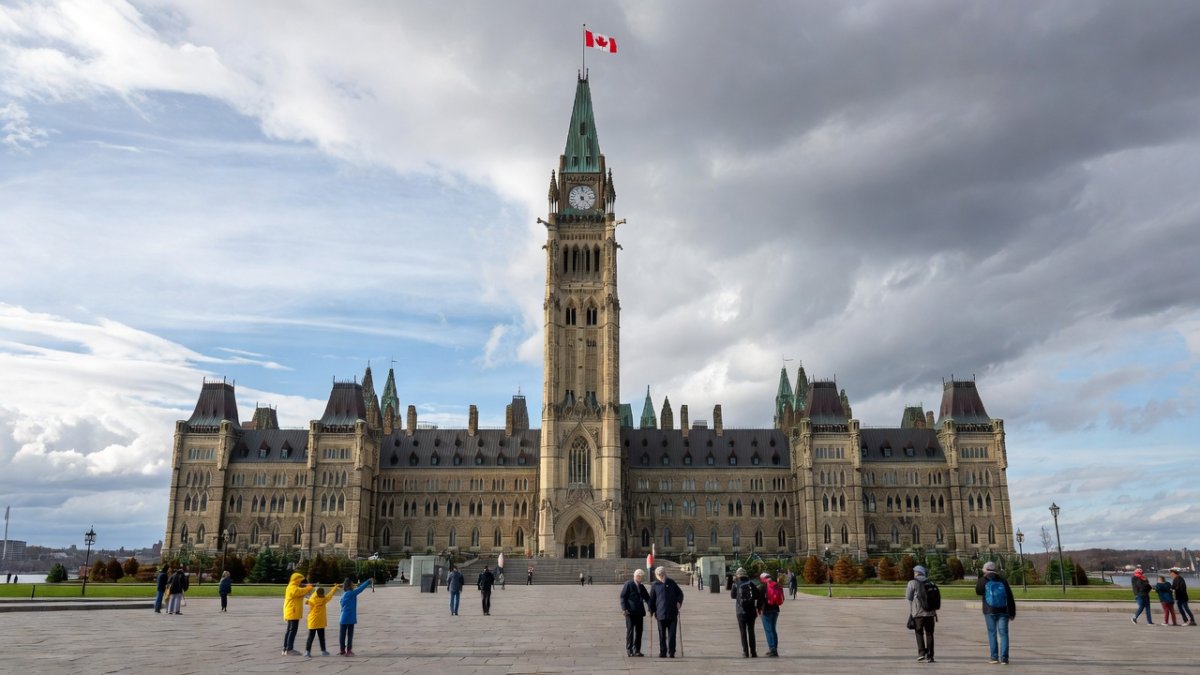
Prime Minister Mark Carney reiterated Canada’s call for maximum restraint during a statement from Ottawa on Sunday evening. Carney emphasised that further escalation would endanger civilians across the region and undermine the fragile April 8 ceasefire. He confirmed that Foreign Minister Anita Anand was in direct contact with counterparts in the European Union and the United Nations.
Canada and the European Union had previously issued a joint statement on de-escalation in late May. That statement urged all parties to avoid actions that could collapse the existing truce. Global Affairs Canada maintained its position that diplomatic channels remain the only viable path to long-term stability in the Middle East.
Canadian foreign policy on this conflict has consistently prioritised protection of civilians and support for United Nations-led mediation. Ottawa has also maintained sanctions against individuals linked to Hezbollah financing networks since 2024. Anand’s office confirmed that additional consular staff were being deployed to Tel Aviv and Beirut to assist any Canadians requiring assistance.
The Fragile April 2026 Ceasefire
The April 8 ceasefire ended one hundred days of direct missile exchanges between the United States and Iran. That agreement halted Iranian strikes on American positions in Iraq and Syria and paused Israeli operations inside Iranian territory. Both sides had observed the terms until the Beirut strike on Sunday June 7.
Following the Iranian missile launches, Israel conducted limited strikes on western and central Iran later on Sunday evening. Iranian officials reported damage to two military facilities but no civilian casualties. The April 8 framework now faces the most serious test since its implementation three months ago.
Canadian defence analysts noted that the ceasefire had relied on quiet understandings between Washington and Tehran rather than a formal treaty. The current breach raises questions about whether either side will return to the original terms. Ottawa has urged all parties to restore the April 8 arrangements before additional actors become involved.
Implications for Canadian Interests
Global oil prices rose sharply on Sunday evening after news of the missile launches spread through trading markets. Canadian energy producers in Alberta and Saskatchewan monitored the volatility closely as benchmark prices climbed above 95 US dollars per barrel. The Bank of Canada issued a statement confirming it was reviewing potential impacts on domestic inflation forecasts.
Canadians with family members in Israel and Lebanon contacted Global Affairs Canada throughout Sunday night seeking updated information. The department maintained a 24-hour hotline and advised citizens in the region to shelter in place where possible. Several hundred Canadians remain registered with consular services in both countries.
Trade and shipping routes through the eastern Mediterranean also faced potential disruption. Canadian exporters of agricultural products to the Middle East reported delays at ports in Haifa and Beirut. Officials at Transport Canada began coordinating with international partners to assess alternative routing options for vessels currently at sea.
What Happens Next
The risk of further escalation remains high as Hezbollah forces in southern Lebanon have placed additional units on alert. Israeli officials have not ruled out a broader response to the Iranian missile attack. Canadian diplomats are coordinating with European partners to prepare a unified message urging immediate de-escalation at the United Nations Security Council.
NATO allies have scheduled emergency consultations for Monday morning to review alliance obligations in the event of wider conflict. Canada has indicated it will support any diplomatic initiative that includes clear verification mechanisms for the April 8 ceasefire. Sanctions policy reviews are also underway in Ottawa to determine whether additional measures against Iranian entities are required.
United Nations Secretary-General António Guterres called for an emergency session of the Security Council on Monday. Canadian representatives at the United Nations confirmed they will advocate for renewed monitoring of the Lebanese-Israeli border. The coming days will determine whether the April 8 framework can be salvaged or whether the region slides into broader confrontation.
By Alex Thompson, Staff WriterThis article was produced with AI-assisted research and editorial support. Reporting is based on sources cited in the article.
What's Your Reaction?
 Like
0
Like
0
 Dislike
0
Dislike
0
 Love
0
Love
0
 Funny
0
Funny
0
 Wow
0
Wow
0
 Sad
0
Sad
0
 Angry
0
Angry
0

Canada Correspondent at Global1.News. Based in Toronto, covering Canadian politics, energy, trade, and US-Canada relations. Provides the Canadian perspective on North American and global affairs.










Comments (0)