
Hezbollah Rejects US Ceasefire: Lebanon Faces Renewed Conflict
The rejection of the US-brokered ceasefire by Hezbollah on June 4 2026 has immediately entangled Lebanon in the wider confrontation between Israel and Iran. This decision links the southern front directly to Tehran's nuclear calculations and forces Gulf states and Turkey to reassess their positions amid rising energy costs. The outcome will shape whether Washington can isolate
The rejection of the US-brokered ceasefire by Hezbollah on June 4 2026 has immediately entangled Lebanon in the wider confrontation between Israel and Iran. This decision links the southern front directly to Tehran's nuclear calculations and forces Gulf states and Turkey to reassess their positions amid rising energy costs. The outcome will shape whether Washington can isolate the Lebanon track from its Iran negotiations ahead of US midterm elections.
Hezbollah Rejects US Ceasefire: Lebanon Faces Renewed Conflict
Beirut, Lebanon – June 5, 2026 — Hezbollah's outright rejection of the latest US-brokered ceasefire proposal has collapsed the fourth round of direct Lebanon-Israel diplomacy that began on March 2 and returned southern Lebanon to active conflict. The move by Secretary-General Naim Qassem places the Lebanese government of Prime Minister Nawaf Salam in an untenable position while handing Israel Defense Minister Israel Katz explicit justification for expanded operations. Regional actors now confront a landscape in which Lebanon's territorial integrity and Iran's strategic depth have become inseparable.
The Collapse of the Ceasefire
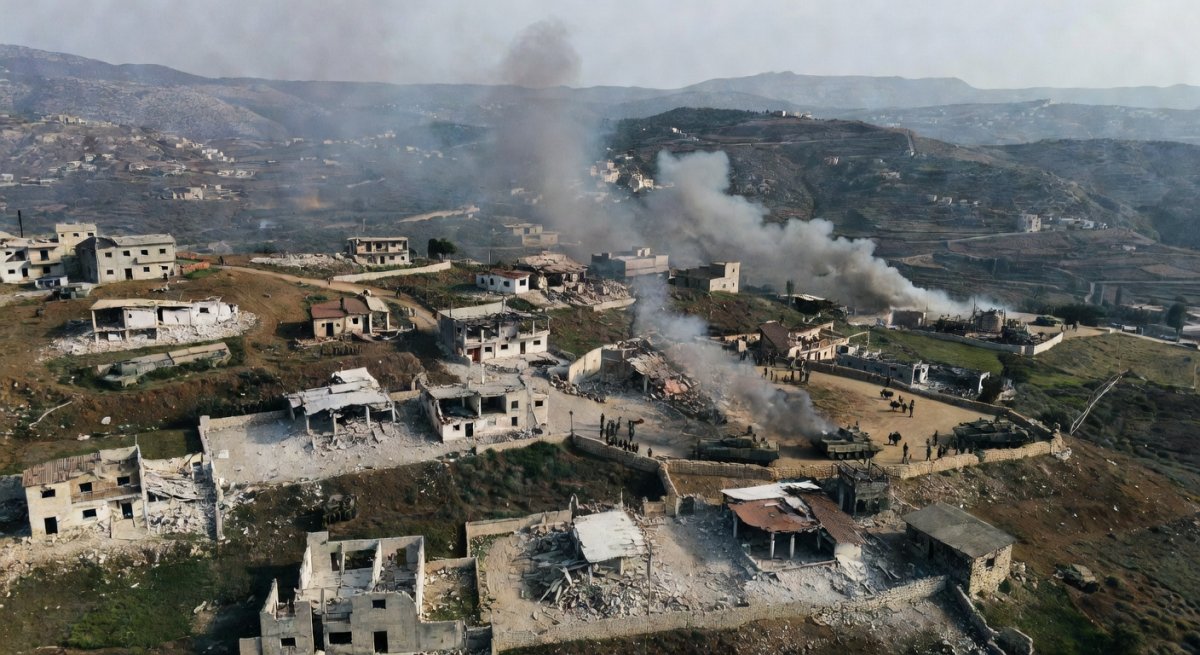
The June 4 rejection ended weeks of shuttle diplomacy that had appeared close to producing a temporary halt in fighting. Hezbollah framed the plan as unacceptable because it required withdrawal of fighters south of the Litani River and acceptance of "pilot zones" under Lebanese army control without any Israeli commitment to vacate the more than 600 square kilometers it currently holds. This territorial reality, combined with the destruction of dozens of border villages, made the proposed terms politically impossible for the movement to endorse. The Lebanese army's limited capacity to enforce such zones further undermined the deal's credibility among residents who have already endured 3,516 deaths from Israeli strikes since the escalation began.
Terms and Rejection
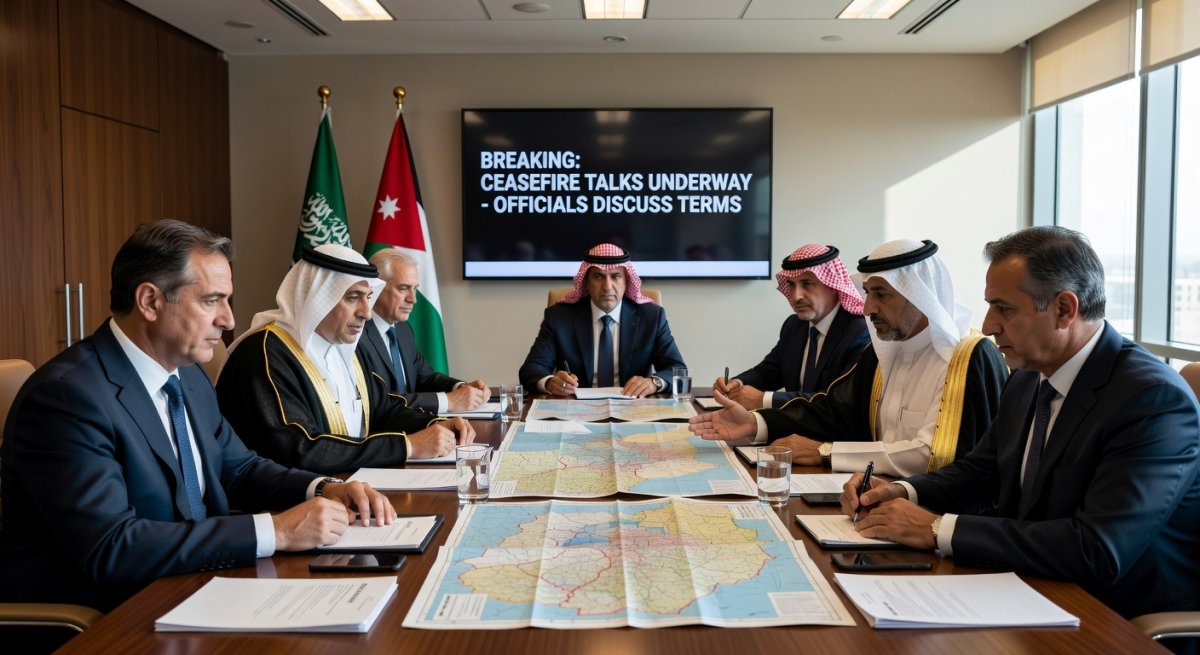
Qassem described the proposal as "a roadmap to annihilate part of the Lebanese people" and stated that "as long as the occupation exists, the resistance will continue." He called on Lebanese officials to end "this farce and humiliation called direct negotiations." The plan mirrored the failed 2024 ceasefire in key respects: Hezbollah would cease fire and redeploy, yet Israel retained freedom to conduct operations, as evidenced by more than 10,000 strikes carried out after the previous agreement. Prime Minister Nawaf Salam countered that those who rejected the deal bore responsibility, insisting the negotiation track remained "the fastest and least costly road for Lebanon." The gap between these positions left no room for further rounds.
Israeli Position and Military Calculus
Defense Minister Israel Katz immediately declared that Israel now possessed "freedom of action, backed by the United States, to strike Beirut." This stance reflects Israel's assessment that Hezbollah's rejection removes previous diplomatic constraints and allows deeper operations into Lebanon's capital and supply lines. Israeli forces already control substantial territory in the south and have demonstrated willingness to maintain that presence absent verifiable Hezbollah withdrawal. The calculus prioritizes creating a buffer that reduces rocket threats to northern Israel while avoiding a full ground occupation that would stretch resources already committed against Iranian proxies elsewhere. Katz confirmed that Israeli troops would remain in south Lebanon to maintain a "buffer zone," having already destroyed dozens of border villages and preventing hundreds of Lebanese civilians from returning to their homes.
Iran's Strategic Linkage
Iran has refused to decouple the Lebanon file from its own nuclear and regional negotiations. IRGC Quds Force commander Esmail Qaani described support for the resistance as "the duty of all of us" and demanded Israeli withdrawal to prewar positions. The Iranian Foreign Ministry reinforced that Lebanon constitutes "an integral part of any ceasefire and any final agreement." This position directly counters Washington's attempt to treat Lebanon as a separate track that could be resolved without concessions on Iran's nuclear program. Tehran's insistence preserves Hezbollah's leverage while raising the cost for any US deal that leaves Israeli forces inside Lebanese territory. Iran has previously warned that its own ceasefire talks with Washington could collapse without a simultaneous pullback by Israel in both Lebanon and Gaza.
Trump's Diplomatic Tightrope
President Trump has sought to separate the Lebanon and Iran files, claiming he had spoken to both Israeli Prime Minister Benjamin Netanyahu and Hezbollah representatives and that "progress is being made." Yet he has also described Netanyahu as "crazy" and appeared perturbed that Israel's campaign complicates the Iran track amid rising energy prices and approaching midterm elections. The US State Department's security alert for Americans across the Middle East underscores Washington's recognition that escalation could spread quickly. Trump's room for maneuver is narrowed by the need to deliver visible results on Iran without appearing to reward Hezbollah intransigence. When asked about the flagging Lebanon ceasefire, Trump responded that "in that part of the world, a ceasefire is when you're shooting in a more moderate manner."
Regional Implications
Gulf states, particularly Saudi Arabia and the United Arab Emirates, face renewed pressure on energy markets as any widening of the conflict threatens Strait of Hormuz shipping and Lebanese port access. Turkey has watched the breakdown with concern, given its own interests in northern Syria and the risk that renewed fighting could generate additional refugee flows toward its border. Saudi Arabia, having invested diplomatic capital in Lebanon's financial stabilization through engagement with the government of Prime Minister Nawaf Salam, now sees those efforts undermined by the absence of a durable border arrangement. Regional capitals calculate that a prolonged stalemate favors Iranian influence unless Gulf states coordinate economic incentives with clearer security guarantees for Lebanon's sovereign institutions.
Historical Context
The June 4 rejection follows the pattern established after the 2024 ceasefire, which collapsed when Hezbollah refused full disarmament and Israel conducted repeated violations — more than 10,000 strikes in the subsequent 15 months. That earlier agreement originated from the same March 2 dynamic in which Hezbollah attacked Israel in support of Iran following US and Israeli strikes on Iranian targets on February 28 — the opening salvo of what is now known as the Iran War. Each round since has repeated the core impasse: Hezbollah demands complete Israeli withdrawal before any binding limitations on its forces, while Israel insists on verified redeployment first. The current breakdown therefore represents continuity rather than rupture in a conflict rooted in the wider Iran-Israel confrontation that began in late February 2026.
Outlook and Strategic Calculus
Lebanon now faces an extended period of Israeli military pressure without the protective cover of active negotiations. Hezbollah will likely intensify operations from positions north of the Litani while avoiding decisive battles that could expose its leadership and command structure. Israel retains the initiative on the ground and in the air, yet risks overextension if operations expand toward Beirut or the Bekaa Valley. Iran gains short-term propaganda value but faces the strategic dilemma of whether to escalate its own direct involvement or accept a limited Lebanese front that preserves its primary nuclear negotiating capital. For Washington, the priority remains preventing spillover that would drive energy prices higher before the midterm elections, yet the linkage Tehran has imposed leaves little space for a clean separation of tracks. The coming weeks will test whether any actor can impose costs sufficient to force a return to talks or whether southern Lebanon settles into a grinding war of attrition with consequences that extend across the Levant and the Gulf.
By Malik Hassan, Staff Writer
This article was produced with AI-assisted research and editorial support. Reporting is based on sources cited in the article.
What's Your Reaction?
 Like
0
Like
0
 Dislike
0
Dislike
0
 Love
0
Love
0
 Funny
0
Funny
0
 Wow
0
Wow
0
 Sad
0
Sad
0
 Angry
0
Angry
0

Middle East Correspondent at Global1.News. Based in Beirut, covering politics, conflict, energy, and society across the Middle East. Brings context and depth to a region often reduced to headlines.











Comments (0)