
Gulf of Tension: Venezuela Demands Compensation as Oil Spill Row Escalates with Trinidad and Tobago
The Gulf of Paria has always been a bridge between Trinidad and Tobago and Venezuela — a stretch of warm Caribbean water that carries fishing boats, energy tankers, and the hopes of coastal communities on both sides. But in recent weeks, that same body of water has become the centre of an escalating dispute, as Caracas demands compensation from Port of Spain over an oil spill t
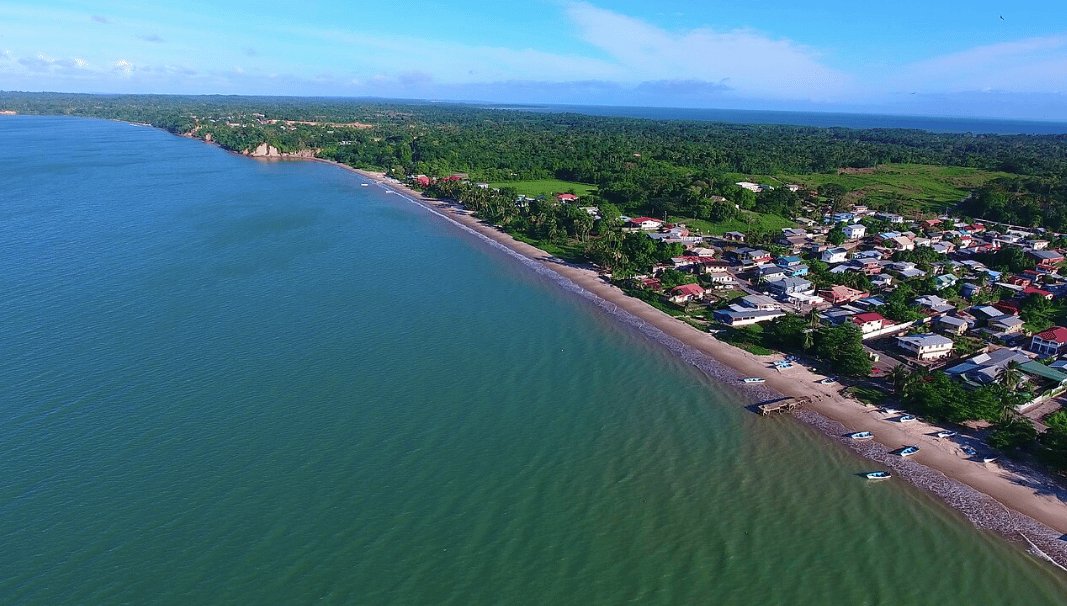
The Gulf of Paria has always been a bridge between Trinidad and Tobago and Venezuela — a stretch of warm Caribbean water that carries fishing boats, energy tankers, and the hopes of coastal communities on both sides. But in recent weeks, that same body of water has become the centre of an escalating dispute, as Caracas demands compensation from Port of Spain over an oil spill that Venezuela claims originated in Trinidadian waters. The row, now entering its second month, has drawn satellite imagery into the argument, raised questions about environmental stewardship in the energy sector, and placed the livelihoods of hundreds of artisanal fishermen squarely in the middle.
For the people of Trinidad and Tobago, this is not merely a diplomatic spat between governments. It hits close to home — quite literally. The energy sector underpins our economy, keeping the lights on from Port of Spain to San Fernando, and the Gulf of Paria has been the stage for oil and gas operations stretching back generations. When spills occur, even small ones, the effects ripple through communities that already feel the weight of rising costs and economic uncertainty. And when a neighbour like Venezuela raises the alarm, it forces us to ask difficult questions about oversight, transparency, and our shared responsibility for the waters that connect us.
The May 1 spill and initial response
Trinidad and Tobago reported that the incident on 1 May involved around ten barrels of oil, describing it as minor and quickly contained within local waters. Officials from the Ministry of Energy moved swiftly to assess the situation, working alongside Heritage Petroleum to limit any spread across the shared Gulf of Paria. Venezuela, however, has disputed the scale from the outset, insisting that the effects reached far beyond what Port of Spain acknowledged. This difference in assessment has set the tone for the weeks that followed, with both nations drawing on their own monitoring systems to support their positions.
Coastal communities in Trinidad felt the immediate tension as news of the spill travelled through fishing villages along the western coast. Families who rely on the Gulf for their daily catch began to wonder whether even a contained release could affect the marine life they depend upon. The Ministry of Energy emphasised that all standard protocols were followed, yet the episode reminded everyone how quickly a small incident in these waters can touch lives on both sides of the border. Climate change already places extra pressure on these small island developing states, making any additional stress on marine ecosystems a matter of deep concern for ordinary citizens.
The June escalation and satellite evidence
A second spill in mid-June drew fresh attention when satellite imagery confirmed a larger release than the earlier event. Venezuelan authorities pointed to the images as proof that the problem had grown, with Foreign Minister Yvan Gil publicly denouncing the situation and calling for urgent action. Trinidad and Tobago maintained that its teams continued to monitor and respond, yet the visual evidence from space shifted the conversation from local containment to regional accountability. Neighbouring countries watched closely as the dispute moved beyond bilateral exchanges into a matter that could affect broader Caribbean cooperation.
The timing of the second incident coincided with heightened sensitivity around energy operations in the Gulf, where offshore platforms operate close to sensitive coastal zones. Satellite confirmation gave Venezuela stronger ground to argue that the cumulative impact now threatened wider areas, including zones vital for biodiversity. For Trinidadian observers, the images served as a reminder that modern technology can expose environmental events in real time, leaving little room for delay in public communication. Communities already stretched by rising living costs began to ask how such incidents might influence future energy partnerships and the stability of the sector that supports so many households.
Trinidad's operational response
Energy Minister Roodal Moonilal announced a joint operation involving the Ministry of Energy, Heritage Petroleum, the TT Air Guard, and supporting vessels and drones to monitor and contain any further releases. The deployment aimed to provide clearer oversight of the Gulf of Paria, where shared resources make coordination essential. Drones offered aerial views that complemented vessel patrols, allowing teams to track movement of any remaining oil more effectively. This multi-agency approach reflected the practical realities of managing offshore incidents in waters that both nations depend upon for energy production.
Local crews worked long hours to ensure that equipment remained ready for rapid deployment, drawing on experience gained from previous operations in the same area. The involvement of the Air Guard added an important layer of surveillance that helped reassure communities along the western peninsula. Still, the effort came at a time when public finances face strain from global energy price swings and domestic cost-of-living pressures. Trinidadian taxpayers naturally question whether such responses can be sustained without stronger regional agreements that share both the burden and the benefits of protecting the Gulf.
Impact on fishing communities on both sides
Around five hundred artisanal fishermen on the Venezuelan side of the Gulf reported disruptions to their daily work following the incidents. These small-scale operators, many of whom travel across traditional fishing grounds that cross the maritime boundary, found their catches reduced and their equipment at risk. On the Trinidadian side, similar concerns surfaced among families in communities such as Icacos and Cedros, where fishing remains a vital supplement to household income. The shared nature of the resource means that any decline in fish stocks affects dinner tables in both countries, adding to the strain already felt from imported food prices.
Women in these fishing households often manage the onshore side of the trade, preparing and selling the catch at local markets. When spills occur, the ripple reaches their stalls as well, reducing earnings at a moment when school fees and household bills continue to climb. CARICOM frameworks have long encouraged cooperation on fisheries management, yet incidents like these test the practical limits of that collaboration. Both governments recognise that protecting these livelihoods requires more than statements; it demands consistent monitoring and honest dialogue about responsibility.
Environmental damage to wetlands and national parks
Venezuela has stated that the spills placed roughly 1,625 square kilometres at risk, including twelve strategic wetlands and four national parks. These areas support migratory birds, mangroves, and marine species that sustain the wider Caribbean ecosystem. Trinidad and Tobago, while disputing the full extent of the claimed damage, acknowledges that the Gulf of Paria forms part of a delicate coastal zone already vulnerable to rising sea levels and changing weather patterns linked to climate change. Any additional pressure on these habitats carries long-term consequences for biodiversity that both nations value.
Local environmental groups in Trinidad have called for greater transparency in reporting so that communities can understand the true state of the coastline they live beside. Mangrove forests, which act as natural barriers against storms, face particular threat when oil reaches their roots. The cost of restoring such areas far exceeds the expense of prevention, a reality that resonates with taxpayers who already shoulder heavy energy and living costs. As small island developing states, both countries understand that protecting these wetlands is not only an environmental duty but also a practical defence against future climate impacts.
The energy sector context
Heritage Petroleum continues to play a central role in Trinidad and Tobago’s offshore operations within the Gulf of Paria, contributing to the gas that feeds Atlantic LNG facilities and supports national revenue. The incidents have prompted renewed scrutiny of maintenance standards and emergency preparedness across these platforms. Venezuela’s own energy infrastructure nearby adds another layer of complexity, as both nations extract resources from the same geological basin. Any prolonged dispute risks affecting investor confidence at a time when the sector seeks to stabilise production and prices.
Workers in the energy industry, many of whom live in communities near the western coast, follow these developments closely because their jobs depend on steady operations. At the same time, households across the country feel the indirect effects through electricity rates and the broader economy. The Gulf has served as an energy corridor for generations, yet the current tensions highlight the need for clearer cross-border protocols that protect both production and the environment. Climate change adds urgency, as shifting weather patterns can turn even contained spills into wider problems for coastal infrastructure.
CARICOM and regional cooperation angle
CARICOM has historically provided a platform for member states to address shared challenges, from trade to disaster response, and this spill row tests that spirit of cooperation. Trinidad and Tobago’s position within the bloc gives it both influence and responsibility when environmental incidents cross borders. Neighbouring countries watch to see whether the current disagreement can be resolved through established diplomatic channels rather than public confrontation. Strengthened regional mechanisms for joint monitoring could prevent similar episodes from escalating in the future.
Climate change impacts on small island developing states make such cooperation even more necessary, as rising temperatures and sea levels already threaten fisheries and coastal settlements across the Caribbean. A coordinated approach to spill prevention and response would benefit all members by protecting the marine resources that support tourism and food security. For Trinidadian citizens, regional solidarity offers a path to share expertise and costs, reducing the burden on any single nation. The current situation serves as a reminder that the waters connecting our islands require collective stewardship if communities are to thrive amid economic and environmental pressures.
What this means for ordinary Trinidadians
Everyday citizens in Trinidad and Tobago feel the weight of this dispute through higher living costs and uncertainty about the energy sector that sustains so many jobs. Families already managing tight budgets now wonder whether prolonged tensions could affect fuel prices or future investment in offshore projects. The fishing communities along the western coast carry an extra burden, as any reduction in catches adds to the pressure of imported food prices. At the same time, the episode has sparked wider conversations about transparency and the need for stronger safeguards around energy operations.
Young people entering the workforce look to the energy sector for stable employment, yet they also inherit the environmental challenges that come with it. Climate change continues to reshape the Gulf through stronger storms and shifting marine patterns, making responsible management essential for long-term prosperity. Trinidad and Tobago’s warm community spirit has always helped neighbours pull together in difficult times, and that same resilience will be needed as the country navigates this row with Venezuela. Open dialogue, careful monitoring, and respect for the shared waters of the Gulf remain the surest way forward for both nations and the wider Caribbean family.
By Sharon Sahatoo, Staff WriterThis article was produced with AI-assisted research and editorial support. Reporting is based on sources cited in the article.
What's Your Reaction?
 Like
0
Like
0
 Dislike
0
Dislike
0
 Love
0
Love
0
 Funny
0
Funny
0
 Wow
0
Wow
0
 Sad
0
Sad
0
 Angry
0
Angry
0

Caribbean Correspondent at Global1.News. Based in Port of Spain, Trinidad, covering Caribbean politics, economy, energy, climate, and culture. Amplifying the voices and stories of the Caribbean region.










Comments (0)