
Gulf of Paria Waters: Venezuela Demands Compensation Over Oil Spill, Trinidad Fires Back
The Incident and Claims from Caracas The formal demand from Caracas arrived in early May, with Venezuelan officials stating that an oil spill on 1 May originated in Trinidadian waters of the Gulf of Paria and crossed the maritime boundary. They insist the incident caused measurable damage to Venezuelan coastal ecosystems and fishing grounds, seeking compensation for cleanup cos
The Incident and Claims from Caracas
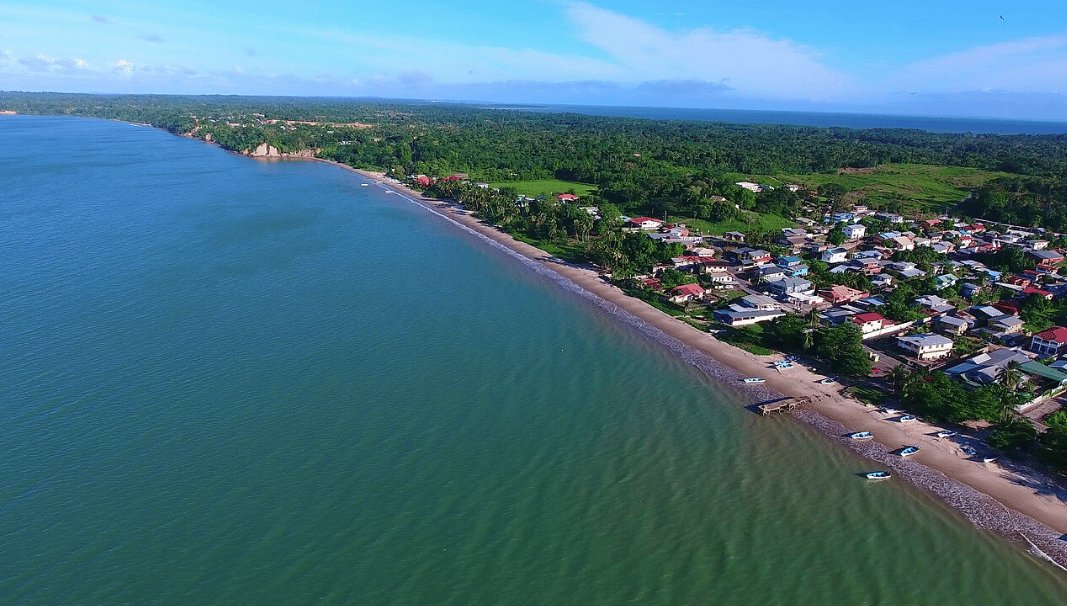
The formal demand from Caracas arrived in early May, with Venezuelan officials stating that an oil spill on 1 May originated in Trinidadian waters of the Gulf of Paria and crossed the maritime boundary. They insist the incident caused measurable damage to Venezuelan coastal ecosystems and fishing grounds, seeking compensation for cleanup costs and lost livelihoods. Local reports from Venezuelan fishing communities near Güiria highlighted discoloured waters and reduced catches in the days following the event.
Trinidadian authorities recorded the spill as a contained release of roughly ten barrels from an offshore installation linked to legacy Petrotrin infrastructure. The quick deployment of booms and skimmers limited spread, according to coastguard logs shared with regional partners. Caracas, however, disputes the volume and origin, arguing that currents carried heavier residues into their exclusive economic zone.
Historical maritime boundary agreements between the two nations, dating back to the 1990 delimitation treaty, place the spill site firmly on the Trinidad side. Yet Venezuela maintains that shared Gulf currents make any release a bilateral concern. Energy workers in Point Fortin recall similar incidents during Petrotrin’s final years, when maintenance backlogs raised spill risks across the western peninsula.
Fishing families in Trinidad’s Cedros and Icacos communities watched the response with quiet concern, noting that even small releases affect the same fish stocks that cross the invisible line. Cost of living pressures already strain these households, with fuel and ice prices climbing steadily since the energy sector restructuring. Caracas’s compensation claim therefore lands amid broader anxieties about household budgets tied to the sea.
Regional analysts note that Venezuela’s position reflects long-standing sensitivities over resource jurisdiction in the Gulf. Past diplomatic notes have referenced similar cross-boundary pollution events, though none escalated to formal compensation demands until now. Trinidad’s energy ministry continues to compile technical data to counter the larger volume estimates put forward by Caracas.
Community leaders in both countries emphasise that fishermen on either shore share the same waters and the same vulnerabilities. The May incident has revived conversations about joint monitoring patrols that could prevent future misunderstandings. For now, the formal exchange of notes continues through diplomatic channels without public escalation.
Trinidad's Response and Defence
Trinidad’s Ministry of Energy issued a measured rebuttal, describing the event as a minor operational release swiftly contained within national waters. Officials stressed that satellite imagery and on-site sampling showed no significant transboundary movement beyond trace amounts already dispersed by tidal action. The government maintains that compensation claims lack supporting evidence of material damage on the Venezuelan side.
Energy workers at the remaining state-linked facilities recall the difficult transition after Petrotrin’s closure, when safety protocols were tightened under new operators. They argue that the rapid containment demonstrated lessons learned from earlier incidents in the same field. Local unions have called for continued investment in spill-response equipment rather than external payouts.
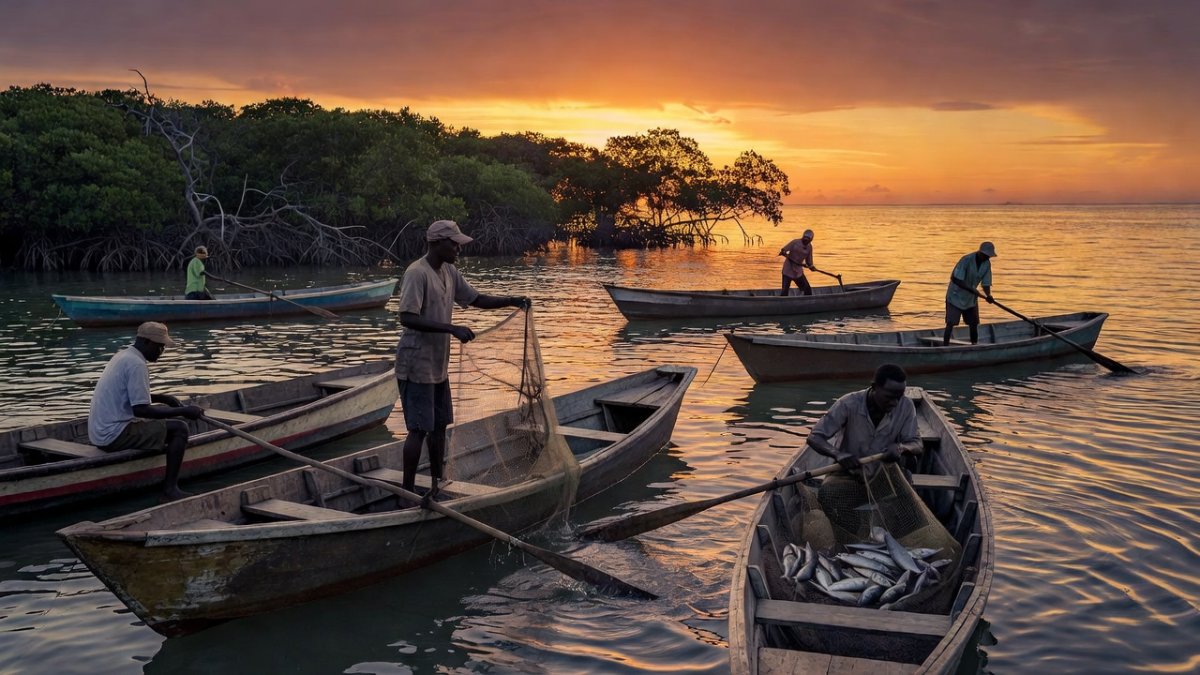
Fishing communities along the south-west coast expressed relief that the spill stayed small, yet they remain wary of any precedent that could affect cross-border access rights. Many families have relatives in Venezuela through generations of intermarriage and seasonal work, making the diplomatic friction personally unsettling. Household budgets already stretched by rising food prices leave little margin for prolonged uncertainty in the fishing season.
Trinidad’s foreign ministry has proposed a joint technical committee to review the data, drawing on precedents from earlier CARICOM-Venezuela energy dialogues. This approach seeks to keep the matter technical rather than political. Past boundary disputes were resolved through quiet negotiation, and officials hope the same channel will prevail here.
Defence of the ten-barrel figure rests on detailed logs from the platform operator and coastguard vessels that arrived within hours. Independent observers invited by Trinidad confirmed the containment perimeter never extended beyond the agreed median line. Caracas’s larger estimate, officials suggest, may stem from conflating this event with unrelated discharges further west.
Community radio discussions in Trinidad highlight the human side: fishermen who cannot afford lost days at sea while diplomats exchange notes. The government has pledged direct support to affected local crews, including fuel subsidies for the remainder of the current season. This domestic focus reflects the priority placed on protecting livelihoods within Trinidad’s own waters.
A History of Gulf of Paria Tensions
The Gulf of Paria has long been a shared resource zone shaped by colonial-era maps and post-independence treaties. The 1990 maritime boundary agreement between Trinidad and Venezuela established clear jurisdictions, yet practical cooperation on environmental monitoring has fluctuated with political cycles in both capitals. Fishing communities on both sides remember periods of open access followed by tighter patrols.
Petrotrin’s operations in the western fields during the 1980s and 1990s left a legacy of ageing infrastructure that successive governments have worked to modernise. Several documented spills during that era prompted bilateral talks on notification procedures, though formal compensation mechanisms were never fully activated. Current operators inherited stricter reporting rules that Trinidad now cites in its defence.
Regional energy security concerns have periodically drawn CARICOM attention to the Gulf, especially when Venezuelan production disruptions affected regional fuel supplies. Trinidad’s role as a net exporter has made stable relations with Caracas essential for pipeline projects and joint exploration talks that never fully materialised. Fishing rights remain a quieter but persistent issue for small-scale operators who follow seasonal migrations across the line.
Diaspora networks in New York and Toronto often relay news between families divided by the Gulf, keeping community memory of past incidents alive. These personal connections have sometimes eased tensions when official channels stalled. The current claim arrives against this layered backdrop of resource competition and kinship ties.
Trinidad’s energy sector restructuring after Petrotrin’s closure shifted focus toward safety and environmental compliance, partly to reassure international partners. Venezuela’s own economic pressures have limited its capacity for joint patrols, leaving gaps that both sides now acknowledge need addressing. Historical patterns suggest that technical working groups, rather than public confrontation, have resolved most previous disagreements.
Environmental and Economic Stakes
The Gulf’s mangrove systems and shallow banks support diverse fish populations that sustain thousands of households in south-west Trinidad and eastern Venezuela. Even a contained spill can disrupt spawning cycles for weeks, affecting incomes already pressured by rising equipment and fuel costs. Local cooperatives in Icacos report that weekly catches have become less predictable in recent seasons, compounding cost-of-living challenges.
Energy sector employment in Trinidad remains a vital economic anchor, yet workers understand that environmental incidents can trigger stricter regulations and higher insurance premiums. The May event, though small by industry standards, has renewed calls for investment in real-time monitoring buoys that could benefit both nations. Such infrastructure would also support the fishing sector by providing early warnings of water-quality changes.
CARICOM energy security discussions have long recognised the Gulf as a strategic corridor. Any prolonged dispute risks complicating future joint ventures that could stabilise regional supplies. Trinidad’s position as a reliable gas supplier makes maintaining open dialogue with Caracas a practical necessity beyond the immediate compensation question.
Fishing families describe the Gulf as more than an economic zone; it is part of their cultural landscape passed through generations. The prospect of extended diplomatic friction raises fears that seasonal access agreements could be reviewed, further squeezing household earnings. Practical implications include potential increases in market prices for fresh fish across the islands.
Environmental groups in Port of Spain have urged both governments to publish joint water-quality data, arguing that transparency serves communities on both shores. Historical records show that collaborative studies in the 2000s improved understanding of current patterns and helped reduce accidental crossings. Reviving such cooperation could address the current claims without assigning blame.
The economic stakes extend to tourism operators who market the calm Gulf waters for recreational fishing. Any perception of ongoing pollution could dampen visitor numbers during the upcoming high season, affecting a sector already recovering from pandemic losses. Community leaders therefore advocate swift, evidence-based resolution to protect multiple livelihoods simultaneously.
Regional Implications for CARICOM
CARICOM’s established mechanisms for environmental dispute resolution offer a potential framework should bilateral talks stall. Member states have previously mediated resource issues involving shared fisheries and pollution, always emphasising technical assessment over political posturing. Trinidad’s proposal for a joint committee aligns with this tradition of quiet diplomacy.
Venezuela’s observer status within certain CARICOM processes has allowed informal channels to remain open even during periods of strained relations. Neighbouring islands watch the current exchange closely, aware that precedent set here could influence future claims involving other shared maritime spaces. Energy security remains a collective concern given fluctuating global prices.
Fishing communities across the region share similar vulnerabilities to small-scale pollution events, making the outcome relevant beyond Trinidad and Venezuela. CARICOM’s fisheries ministers have discussed harmonised spill-response standards, yet implementation has been uneven. The May incident may provide fresh impetus for practical agreements that protect livelihoods without escalating costs.
Diaspora organisations in Canada and the United Kingdom have begun circulating petitions urging calm dialogue, reflecting the personal stakes for families with ties on both sides. These voices add a human dimension to official statements and remind negotiators of the community fabric that binds the Caribbean. Regional analysis suggests that sustained tension could affect remittance flows tied to seasonal fishing work.
Trinidad’s leadership within CARICOM on energy matters positions it to model transparent handling of the compensation demand. Neighbouring states expect clear communication on any settlement to maintain confidence in collective environmental governance. The emphasis remains on protecting the Gulf’s shared resources while respecting established boundaries.
What Happens Next
Diplomatic notes continue to move between capitals, with both sides indicating willingness to examine technical evidence together. Trinidad has invited Venezuelan scientists to review platform logs and current data under the existing boundary treaty framework. Caracas has not yet confirmed participation but has not ruled it out either.
Local fishing cooperatives in Cedros have requested regular updates from the coastguard, hoping for reassurance that seasonal migrations will not be disrupted. Energy workers await any policy adjustments that might follow the incident, particularly around maintenance schedules inherited from the Petrotrin era. Community meetings scheduled for later this month will allow residents to voice concerns directly.
CARICOM’s secretariat has offered to facilitate a neutral technical review if requested, drawing on established protocols for maritime environmental issues. Such involvement could provide the impartial assessment both nations appear to seek. Regional partners stress that early de-escalation protects broader cooperation on energy and trade.
Practical next steps include deployment of additional monitoring equipment along the median line and renewed talks on joint spill-response exercises. These measures would address immediate concerns while building longer-term resilience for the fishing and energy sectors alike. Cost considerations remain central, given household budget pressures across the islands.
Historical precedent suggests that patient, evidence-based engagement has resolved similar Gulf incidents without lasting damage to relations. Officials in Port of Spain continue to emphasise that the ten-barrel release was contained and that compensation claims require substantiation. Caracas maintains its position but has signalled openness to further data exchange.
Ultimately, communities on both shores of the Gulf await a resolution that safeguards their daily livelihoods. The coming weeks will test whether technical cooperation can once again prevail over public disagreement, preserving the shared waters that have sustained generations of Trinidadians and Venezuelans alike.
By Sharon Sahatoo, Staff WriterThis article was produced with AI-assisted research and editorial support. Reporting is based on sources cited in the article.
What's Your Reaction?
 Like
0
Like
0
 Dislike
0
Dislike
0
 Love
0
Love
0
 Funny
0
Funny
0
 Wow
0
Wow
0
 Sad
0
Sad
0
 Angry
0
Angry
0

Caribbean Correspondent at Global1.News. Based in Port of Spain, Trinidad, covering Caribbean politics, economy, energy, climate, and culture. Amplifying the voices and stories of the Caribbean region.












Comments (0)