
Gulf of Paria widens as Venezuela formally demands compensation from T&T over oil spill
The shared waters of the Gulf of Paria have once again become a point of tension between Trinidad and Tobago and Venezuela, as Caracas seeks details and possible redress following an oil spill first noted on 1 May 2026. The incident, detected by Heritage Petroleum in the Main Field, has drawn formal attention from Venezuelan authorities while Port of Spain maintains that the release remained limited and was addressed promptly.
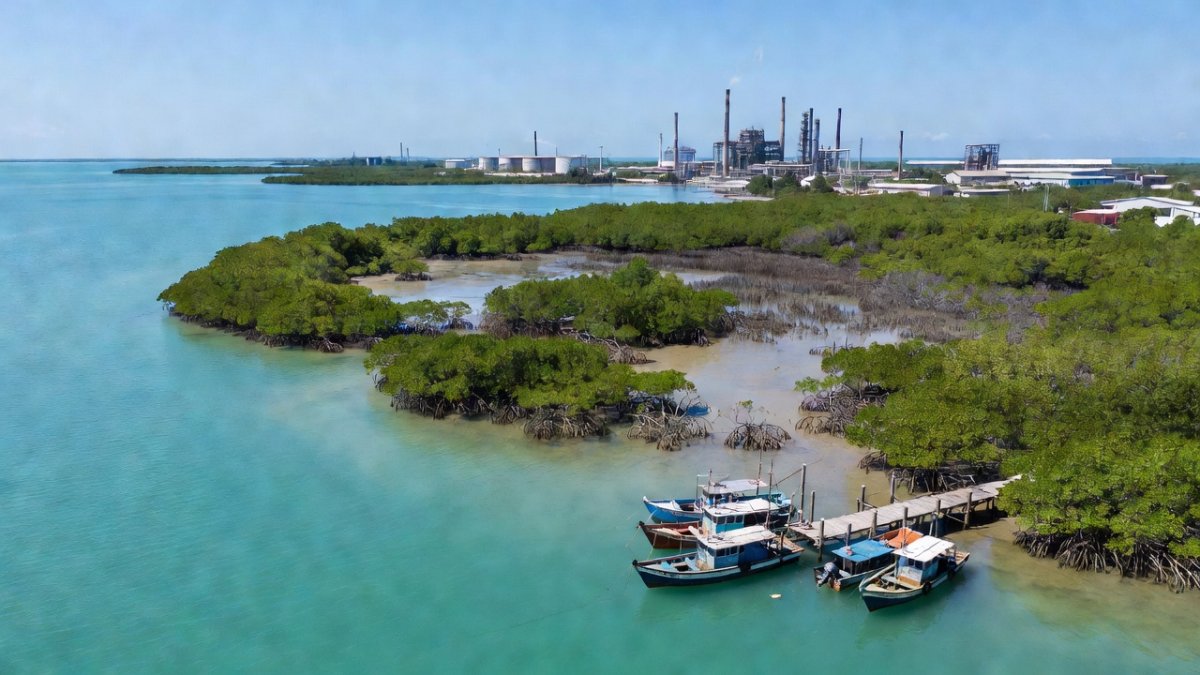
The shared waters of the Gulf of Paria have once again become a point of tension between Trinidad and Tobago and Venezuela, as Caracas seeks details and possible redress following an oil spill first noted on 1 May 2026. The incident, detected by Heritage Petroleum in the Main Field, has drawn formal attention from Venezuelan authorities while Port of Spain maintains that the release remained limited and was addressed promptly. This dispute arrives at a delicate moment for Caribbean regional relations, testing the diplomatic bonds that have kept shared waters mostly calm between the two neighbours.
Details of the May detection by Heritage Petroleum
Heritage Petroleum recorded the presence of hydrocarbons at 7:25 a.m. on 1 May within its operating area. According to statements from T&T Energy Minister Dr. Roodal Moonilal, the volume involved totalled ten barrels and was contained on the same day. Inspections conducted by drone and vessel confirmed that no visible hydrocarbons remained in the water column after containment measures were applied. Approval to use chemical dispersants had been granted by 9:50 a.m. that day, and trajectory modelling showed that untreated hydrocarbons could potentially cross the Trinidad-Venezuela border in the Gulf of Paria — which is precisely what Caracas now alleges happened. The source of the leak was identified, stopped, repaired and returned to service by 2 May, demonstrating the standard operating protocols that govern Trinidad and Tobago's energy sector.
Venezuela's formal request for information and redress
On 19 May, Venezuelan Foreign Minister Yvan Gil issued a formal communication seeking further particulars and compensation from Trinidad and Tobago. Caracas has indicated that the spill could affect an area of 1,625 square kilometres, twelve wetland systems and the livelihoods of more than five hundred fishermen. Four Venezuelan national parks and over one hundred and forty fish species have been cited as potentially at risk, with the states of Sucre and Delta Amacuro identified as the most exposed. The communication reserves the possibility of further steps before international bodies should the matter remain unresolved. Gil displayed satellite images taken on 28 April — days before Heritage Petroleum detected the spill on 1 May — showing what he described as an oil slick originating from the island of Trinidad. He claimed that several communiqués had been sent to the Trinidadian government seeking information about the incident and the action plan for mitigation.
Environmental concerns and the Gulf's fragile ecosystem
The Gulf of Paria stands as one of the Caribbean's true shared treasures, a biodiverse hotspot where Trinidad and Venezuela's waters mingle and support everything from leatherback turtles to schools of snapper that feed families right across the region. Mangrove forests fringe these shores like natural guardians, acting as filters that trap sediment and pollutants while serving as vital nurseries for the fish and crabs that sustain coastal communities. When an oil spill hits, the damage to these tangled roots runs far deeper than what we see in open water, because the thick crude clings to the mud and suffocates the very life that holds the shoreline together. Recovery does not happen in months; scientists tell us it can stretch across years, sometimes decades, before the crabs return and the birds find their roosts again.
Small island developing states like Trinidad and Tobago already face rising seas and stronger storms from climate change, so keeping the Gulf healthy is not just a local matter but a regional lifeline. Neighbouring countries watch closely, remembering how past incidents in the Caribbean, from tanker groundings off Jamaica to refinery leaks in Curaçao, left lasting scars on reefs and fishing grounds.
Impact on fishing communities and regional livelihoods
In the quiet south-western villages of Trinidad, fisherfolk like those in Icacos and Cedros are feeling the pinch from the Gulf of Paria oil spill dispute. Their daily hauls of red snapper and shrimp have dwindled, forcing many to travel farther out to sea or stay ashore altogether. With the cost of living crisis already stretching household budgets thin, these disruptions hit hard — families who once sold fresh catch at local markets now struggle to put food on the table, let alone cover boat fuel and repairs. Venezuela's Foreign Minister specifically noted that "there have been operational limitations for the fishing fleet" and "a real economic and environmental impact" affecting over 140 fish species in the area.
Beyond our shores, the ripple effects touch Caribbean food security. The Gulf has long been a shared pantry for the region, and any prolonged halt in fishing could push up prices across islands already battling import dependence. Neighbouring experiences, such as the oil incidents near Venezuela's coast in recent years, show how quickly livelihoods unravel, leaving communities to rebuild with little support. For Trinidadian families tied to these waters, the stakes are deeply personal and economic, touching everything from children's school supplies to basic healthcare costs.
The cost of living angle — what this means for Trinbagonians at the pump and market
Oil sector stability has always shaped what Trinbagonians pay at the pump and on the grocery shelf. When Heritage Petroleum faces uncertainty from cross-border tension, even the rumour of disruption sends ripples through fuel supply lines, pushing prices upward before the month ends. Fishing communities along the Gulf coast already feel the pinch when catches drop after spills, because fresh fish becomes scarcer and dearer at markets from Port of Spain to San Fernando. That pressure travels quickly to household budgets already stretched by imported goods whose costs climb with every shift in regional shipping and energy prices.
Across the wider Caribbean, inflation has been biting hard, and any bilateral friction only adds to the burden on ordinary families trying to put a decent meal on the table. Consumer confidence takes a knock when people sense that political standoffs could affect their weekly shopping, leaving many wondering how long the current calm at the pumps will last.
Maritime boundary arrangements and diplomatic history
Relations between Trinidad and Tobago and Venezuela over the Gulf of Paria stretch back decades, shaped by shared waters and shifting political tides. The 1990 delimitation treaty stands as a key marker, setting clear lines for resource rights and navigation while aiming to ease tensions around fishing zones and potential energy exploration. Earlier disputes, often sparked by overlapping claims, were usually settled through quiet talks rather than open conflict, preserving a fragile neighbourly balance. Venezuela and Trinidad and Tobago signed their delimitation treaty in the 1990s, establishing the terms for exploiting any hydrocarbon deposits on both sides of the border strip that runs through the Gulf of Paria.
CARICOM has played its part in smoothing such matters across the Caribbean, offering a platform for dialogue that helps smaller nations hold their own. This history carries weight for other islands with maritime boundaries — Jamaica with Colombia, Barbados with Trinidad, Guyana with Suriname — reminding us that cooperation, not confrontation, keeps the region stable amid resource pressures.
Energy sector context and the bigger Caribbean picture
Heritage Petroleum anchors Trinidad's energy scene, managing key assets in a country that ranks among the Caribbean's top oil and gas producers. Trinidad and Tobago conducts significant oil and gas exploration activity both on land and in shallow waters, and is one of the Caribbean's largest producers according to official information from the Ministry of Energy. The current dispute casts a shadow over future joint ventures, as both nations eye the Gulf's reserves for mutual gain. Any chill in cooperation could slow projects that once promised steady supply and jobs for Trinbagonians who depend on the sector's stability.
With Atlantic LNG and the legacy of Petrotrin still fresh in mind, regional energy security hangs in the balance. Neighbouring islands look to Trinidad for reliable fuel, yet the push toward renewables grows louder. In our Caribbean context, this moment could spur smarter transitions — blending traditional strengths with solar and wind to build resilience for all, while maintaining the energy exports that keep our economy afloat.
International legal dimensions — what happens next
Venezuela has already floated the idea of approaching international bodies, and under established environmental law any transboundary spill carries clear obligations for notification and joint response. UNCLOS spells out the duty of states to cooperate when pollution crosses borders, requiring prompt information sharing and coordinated efforts to limit damage. Past Caribbean and Latin American cases, such as disputes over the Essequibo or earlier oil incidents near Cuba, show that diplomacy often moves faster than formal legal routes, though both paths remain open depending on how talks unfold.
Resolving these matters through quiet negotiation can take months, while court or tribunal proceedings stretch into years before any ruling emerges. For Trinidad and Tobago, the priority remains protecting our waters and livelihoods, so the coming weeks will likely see a careful balance between firm diplomacy and readiness to engage the wider international framework if cooperation stalls. The region watches closely to see which route delivers the quickest relief for the Gulf we all share.
Looking ahead through cautious regional diplomacy
Discussions between the two nations continue through normal diplomatic avenues. Trinidad and Tobago has reiterated its position that the spill was minor — only ten barrels — and fully contained, with no visible hydrocarbons remaining in the water. Caracas, however, maintains its request for further clarification and possible compensation, citing the importance of "information on the type of product that was spilled and the measures taken to mitigate it," as Foreign Minister Gil stated. Both governments have signalled a preference for technical exchanges to clarify the facts before considering additional measures.
For the people of Trinidad and Tobago, this is more than a diplomatic spat. It is a reminder that our energy wealth comes with responsibilities — to our neighbours, to our environment, and to the generations who will inherit the health of the Gulf of Paria. The coming weeks and months will test whether dialogue can bridge the gap between Port of Spain and Caracas, or whether the Gulf of Paria grows wider still.
By Sharon Sahatoo, Staff Writer
This article was produced with AI-assisted research and editorial support. Reporting is based on sources cited in the article.
What's Your Reaction?
 Like
0
Like
0
 Dislike
0
Dislike
0
 Love
0
Love
0
 Funny
0
Funny
0
 Wow
0
Wow
0
 Sad
0
Sad
0
 Angry
0
Angry
0

Caribbean Correspondent at Global1.News. Based in Port of Spain, Trinidad, covering Caribbean politics, economy, energy, climate, and culture. Amplifying the voices and stories of the Caribbean region.












Comments (0)